Feeling the Pressure? How Stress Silently Impacts Your Heart and Circulation.
In our fast-paced world, stress has become an unwelcome constant. We often dismiss it as a minor inconvenience, but its effects on our physical health, particularly our cardiovascular system, are profound and far-reaching. From the subtle tightening in our chest to a persistent rise in blood pressure, stress can silently undermine the very foundations of our well-being.
This article delves into the intricate relationship between chronic stress, elevated blood pressure, and impaired heart circulation. We’ll explore how your body reacts to daily pressures and, crucially, how the vital molecule Nitric Oxide plays an indispensable role in maintaining a healthy, flowing cardiovascular system. Understanding these connections is the first step toward reclaiming your health and vitality.

The Stress-Response System: A Double-Edged Sword for Your Heart
Our bodies are remarkably equipped to handle acute stress, but chronic, unmanaged stress can become a significant detriment to cardiovascular health.
When faced with a perceived threat, your body activates its "fight or flight" response, a primal mechanism designed for survival. This involves the rapid release of stress hormones like adrenaline (epinephrine) and cortisol. Adrenaline causes your heart to beat faster and your blood vessels to constrict, temporarily increasing blood pressure to deliver more oxygen and nutrients to your muscles and brain. Cortisol, while essential for regulating metabolism and inflammation, can, in chronic excess, contribute to increased blood sugar, weight gain, and systemic inflammation, all factors that negatively impact heart health.
While this response is beneficial in short bursts, constant activation due to daily stressors – work pressure, financial worries, relationship issues – means your cardiovascular system is perpetually under strain. Your heart is working harder, and your blood vessels remain constricted for extended periods. This sustained elevation in heart rate and blood pressure can lead to significant wear and tear on your arteries, making them less elastic and more prone to damage over time. It's a vicious cycle where stress feeds into cardiovascular strain, and poor cardiovascular health can, in turn, make you more susceptible to the physical effects of stress.
💡 Key Takeaway
Chronic stress keeps your body in a constant state of alert, leading to elevated heart rate and constricted blood vessels, which are major contributors to high blood pressure and long-term cardiovascular damage.
Understanding Blood Pressure and Its Critical Role
Blood pressure is a fundamental measure of your cardiovascular health, reflecting the force of blood against your artery walls. When this force is consistently too high, it leads to hypertension, a silent killer.
Blood pressure is measured as two numbers: systolic (the pressure when your heart beats) and diastolic (the pressure when your heart rests between beats). Optimal blood pressure is typically considered to be around 120/80 mmHg. When blood pressure remains consistently above 130/80 mmHg, it's categorized as hypertension. High blood pressure forces your heart to work harder to pump blood, which can lead to the thickening of the heart muscle and eventually heart failure. Moreover, the constant high pressure damages the delicate inner lining of your arteries, creating sites where plaque can accumulate, leading to atherosclerosis.
The link between stress and blood pressure is undeniable. Each time you experience stress, your blood pressure spikes. If these spikes happen frequently, or if you live under constant stress, your blood vessels may lose their ability to relax, leading to chronically elevated blood pressure. This constant pressure can also reduce the elasticity of your arteries, making them stiffer and less efficient at transporting blood. This is where understanding the mechanisms of blood vessel relaxation becomes paramount, and a key player in this mechanism is Nitric Oxide.
To learn more about the various factors that can contribute to this condition, you might find our article on the causes of poor circulation insightful.
Poor Blood Circulation: More Than Just Cold Hands and Feet
Poor blood circulation extends beyond minor discomfort; it signifies that your body's vital delivery system is compromised, potentially depriving organs and tissues of essential oxygen and nutrients.
When blood flow is inadequate, every part of your body can suffer. Common symptoms include cold hands and feet, numbness or tingling in the extremities, muscle cramps, especially during exercise, and swelling in the legs or ankles. Less obvious but more serious consequences include impaired wound healing, fatigue, memory problems, and even organ damage over time. The heart, brain, and kidneys are particularly vulnerable to the long-term effects of insufficient blood supply.
Several factors can contribute to poor circulation, including atherosclerosis (hardening of the arteries), diabetes, obesity, and, as we've discussed, chronic stress. Stress-induced vasoconstriction (the narrowing of blood vessels) directly impedes blood flow. When blood vessels are consistently narrowed, the efficiency of circulation diminishes, leading to the symptoms and risks associated with poor blood flow. This systemic issue highlights the need to address underlying causes and support mechanisms that promote healthy, open blood vessels.
Nitric Oxide: The Master Regulator of Blood Flow
Amidst the complexities of cardiovascular health, one molecule stands out for its critical role: Nitric Oxide (NO). Often dubbed the "miracle molecule," NO is essential for maintaining healthy blood pressure and optimal circulation.
Nitric Oxide is a gas produced naturally by the endothelial cells lining your blood vessels. Its primary function is to signal the smooth muscle cells surrounding these vessels to relax, causing them to widen. This process, known as vasodilation, is fundamental for healthy blood flow. When blood vessels relax and expand, blood can flow more freely, reducing the pressure against arterial walls and ensuring that oxygen and nutrient-rich blood reaches every cell and organ in your body efficiently.
Beyond vasodilation, Nitric Oxide also plays a crucial role in preventing blood clots by making platelets less sticky, and it has antioxidant properties that protect blood vessels from damage. It even supports immune function and nerve signaling. In essence, healthy NO levels are synonymous with a healthy, flexible, and robust cardiovascular system.
The Silent Threat of Low Nitric Oxide
Despite its critical importance, Nitric Oxide production naturally declines with age, and various lifestyle factors can further deplete its levels, leading to significant health consequences.
As we get older, typically starting in our 30s and 40s, the efficiency of our bodies to produce Nitric Oxide diminishes. This age-related decline means our blood vessels become less elastic and more prone to constriction. However, age is not the only culprit. Factors such as a sedentary lifestyle, a diet low in nitrate-rich vegetables, smoking, excessive alcohol consumption, and chronic inflammation can all contribute to reduced NO availability. Even certain medications can interfere with NO production.
When Nitric Oxide levels are low, the consequences can be severe. Blood vessels remain constricted, leading to increased blood pressure and impaired circulation. This can manifest as persistent fatigue, reduced exercise performance, erectile dysfunction, and an increased risk of serious cardiovascular events like heart attacks and strokes. Low NO also means less protection against arterial damage and plaque formation, accelerating the progression of atherosclerosis. Recognizing the signs of low NO and actively working to restore healthy levels is a proactive step toward safeguarding your long-term cardiovascular health.
Natural Strategies to Boost Nitric Oxide and Combat Stress
Empowering your body to produce more Nitric Oxide and effectively manage stress can significantly improve your cardiovascular well-being. Here are several actionable strategies:
Embrace a Nitrate-Rich Diet
Certain foods are natural powerhouses for Nitric Oxide production. Leafy green vegetables like spinach, kale, and arugula, along with beets, celery, and radishes, are rich in dietary nitrates. Your body converts these nitrates into NO, directly supporting vasodilation and healthy blood flow. Make these staples of your daily meals.
Prioritize Regular Physical Activity
Exercise is a potent stimulator of Nitric Oxide production. When you engage in physical activity, your blood vessels experience increased shear stress from blood flow, which signals endothelial cells to release more NO. Aim for at least 150 minutes of moderate-intensity aerobic exercise or 75 minutes of vigorous activity per week. Even brisk walking can make a difference. For some great ideas, check out our article on exercises to improve circulation.
Master Stress Management Techniques
Given the strong link between stress and blood pressure, learning to manage stress is crucial. Practices like mindfulness meditation, deep breathing exercises, yoga, spending time in nature, or engaging in hobbies can significantly lower stress hormone levels and promote relaxation, indirectly supporting NO production and vascular health.
Ensure Adequate Antioxidant Intake
Nitric Oxide is a fragile molecule that can be quickly degraded by free radicals. Consuming a diet rich in antioxidants – found in fruits, vegetables, nuts, and seeds – helps protect NO from oxidative stress, allowing it to perform its vital functions for longer. Vitamins C and E, along with polyphenols, are particularly beneficial.
Optimize Oral Hygiene
Surprisingly, oral health plays a role! Certain beneficial bacteria in your mouth help convert dietary nitrates into nitrites, a precursor to NO. Overuse of antiseptic mouthwash can kill these good bacteria, hindering NO production. Consider a more natural approach to oral care to preserve these important microbes.
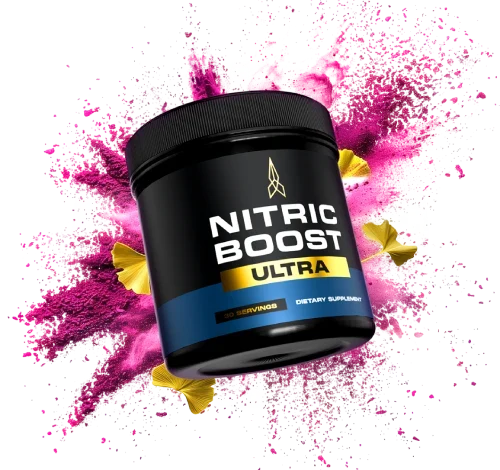
NitricBoost: A Holistic Approach to Supporting Nitric Oxide and Circulation
While lifestyle changes are foundational, sometimes our bodies need additional support to optimize Nitric Oxide production, especially as we age or face persistent stressors. This is where targeted supplementation can play a role.
NitricBoost is a dietary supplement designed to provide your body with the key precursors and cofactors necessary for healthy Nitric Oxide synthesis. It’s formulated to work synergistically with your body’s natural processes, helping to overcome the age-related decline in NO production and counteract the effects of lifestyle factors that deplete this vital molecule. By supporting robust NO levels, NitricBoost aims to promote:
- Improved Blood Flow: Helping blood vessels relax and expand for optimal circulation.
- Healthy Blood Pressure: Assisting in maintaining arterial flexibility and reducing resistance.
- Enhanced Energy & Vitality: Ensuring better oxygen and nutrient delivery to muscles and organs.
- Cardiovascular Wellness: Contributing to overall heart health and arterial integrity.
It’s important to view NitricBoost not as a standalone cure, but as a supportive tool within a broader commitment to a healthy lifestyle. Combined with diet, exercise, and stress management, it can help create an environment where your cardiovascular system can thrive. For a deeper dive into how it compares with other options, read our comparison article: NitricBoost vs. Other Circulation Supplements.
Key Ingredients in NitricBoost for Cardiovascular Support
NitricBoost leverages a blend of scientifically-backed ingredients known for their roles in Nitric Oxide production and cardiovascular health. Here's a look at some of the core components:
L-Arginine
Role: A crucial amino acid and a direct precursor to Nitric Oxide. The body uses L-Arginine to produce NO through an enzyme called nitric oxide synthase (NOS), which is vital for vasodilation and blood flow.
L-Citrulline
Role: Another amino acid that the body converts into L-Arginine, which then produces Nitric Oxide. L-Citrulline is often considered more effective than L-Arginine alone for boosting NO, as it bypasses liver metabolism and has a longer half-life in the body, leading to sustained NO production.
Beetroot Extract
Role: A rich natural source of dietary nitrates. As discussed, these nitrates are converted into nitrites by oral bacteria and then into Nitric Oxide in the body, directly contributing to vasodilation and improved athletic performance and blood pressure.
Hawthorn Berry
Role: Traditionally used for heart health, Hawthorn Berry is rich in flavonoids and proanthocyanidins, which are potent antioxidants. It supports cardiovascular function by improving blood flow, strengthening heart muscle contractions, and potentially helping to relax blood vessels.
Grape Seed Extract
Role: Packed with powerful antioxidants called proanthocyanidins. These compounds help protect blood vessels from oxidative damage, promote healthy blood pressure, and enhance overall circulation by supporting the integrity and flexibility of arterial walls.
Folic Acid (Vitamin B9)
Role: An essential B vitamin that plays a critical role in various bodily functions, including the metabolism of homocysteine, an amino acid that, at high levels, can damage blood vessels. Folic acid also supports endothelial function and contributes to healthy Nitric Oxide synthesis.
Beyond Supplementation: A Lifestyle for Optimal Heart Health
While supplements like NitricBoost can offer significant support, true cardiovascular wellness is built upon a foundation of consistent healthy habits. It's an integrated approach.
To truly combat the effects of stress, manage blood pressure, and optimize circulation, consider these additional lifestyle pillars:
- Balanced Nutrition: Beyond nitrates, focus on a whole-food diet rich in fruits, vegetables, lean proteins, and healthy fats. Limit processed foods, excessive sodium, and added sugars, which can contribute to inflammation and high blood pressure.
- Adequate Sleep: Poor sleep quality and insufficient sleep can elevate stress hormones and negatively impact blood pressure regulation. Aim for 7-9 hours of quality sleep per night to allow your body and cardiovascular system to rest and repair.
- Hydration: Staying well-hydrated is crucial for maintaining blood volume and ensuring efficient blood flow throughout your body. Drink plenty of water throughout the day.
- Limit Alcohol & Quit Smoking: Both excessive alcohol and smoking are detrimental to cardiovascular health. Smoking severely damages blood vessels and impairs NO production, while heavy alcohol consumption can raise blood pressure.
- Regular Health Check-ups: Regular visits to your doctor for blood pressure checks, cholesterol screenings, and overall health assessments are vital for early detection and management of any emerging cardiovascular issues.
By combining these lifestyle choices with targeted support for Nitric Oxide production, you create a powerful defense against the silent threats of stress and poor circulation, paving the way for a healthier, more vibrant life.
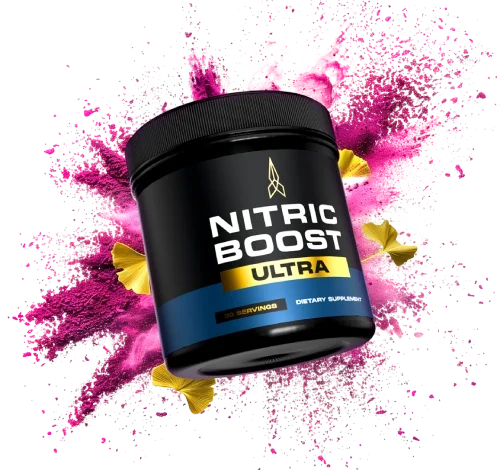
Take Control of Your Cardiovascular Health with NitricBoost
Don't let stress and declining circulation hold you back. NitricBoost offers a powerful, natural way to support your body's ability to produce Nitric Oxide, promoting healthy blood flow, optimal blood pressure, and renewed vitality.
- ✓ Supports Healthy Blood Pressure
- ✓ Enhances Cardiovascular Circulation
- ✓ Boosts Natural Nitric Oxide Production
- ✓ Promotes Increased Energy & Stamina
- ✓ Made with All-Natural, Clinically Backed Ingredients


What Our Customers Are Saying
"I used to feel constantly run down and my hands and feet were always cold. Since starting NitricBoost, I've noticed a significant improvement in my energy levels and circulation. I feel more active and vibrant. Highly recommend!"
"Managing stress has always been a challenge for me, and I know it impacts my blood pressure. NitricBoost has become a valuable part of my daily routine, helping me feel more balanced and supporting my overall heart health. I appreciate the natural approach."
"After turning 50, I started looking for ways to support my circulation naturally. NitricBoost was a game-changer. My doctor even commented on my improved numbers at my last check-up. I'm sticking with it!"
Frequently Asked Questions
What is the primary link between stress and blood pressure?
+Chronic stress triggers a 'fight or flight' response, releasing hormones like adrenaline and cortisol. These hormones constrict blood vessels and increase heart rate, leading to a temporary rise in blood pressure. Over time, persistent stress can contribute to sustained hypertension and damage blood vessels.
How does Nitric Oxide (NO) impact blood pressure and circulation?
+Nitric Oxide is a crucial signaling molecule that helps relax and widen blood vessels, a process known as vasodilation. This relaxation improves blood flow, reduces resistance, and helps maintain healthy blood pressure levels. Low NO levels can lead to constricted vessels and impaired circulation.
What are common signs of poor blood circulation?
+Symptoms of poor circulation can include cold hands and feet, numbness or tingling in the extremities, muscle cramps, swelling in the legs or ankles, fatigue, and even cognitive issues. These signs often indicate that vital oxygen and nutrients are not reaching tissues effectively.
Can lifestyle changes significantly improve nitric oxide levels?
+Absolutely. Regular physical activity, a diet rich in nitrates (like leafy greens and beets), sufficient antioxidant intake, and stress reduction techniques can all significantly boost natural nitric oxide production. Avoiding smoking and excessive alcohol also supports NO health.
When should I consider a supplement like NitricBoost?
+If lifestyle changes alone aren't sufficient, or if you're looking for additional support to optimize your nitric oxide levels and improve circulation, a supplement like NitricBoost could be beneficial. It's designed to provide key precursors and cofactors for NO production. Always consult with your healthcare provider before starting any new supplement.
Is NitricBoost safe for long-term use?
+NitricBoost is formulated with natural ingredients generally recognized as safe. However, as with any supplement, individual responses can vary. It's always recommended to discuss long-term use with your doctor, especially if you have existing health conditions or are taking other medications, to ensure it's appropriate for your specific health needs.
Related Articles