Feeling sluggish? Is poor circulation holding you back?
Optimizing your body's blood flow is fundamental to overall health, impacting everything from energy levels to cognitive function. When your circulation is subpar, vital nutrients struggle to reach your cells, and waste products aren't efficiently removed, leading to a host of uncomfortable symptoms.
Fortunately, one of the most powerful and accessible tools for improving blood flow lies in our daily movements. Engaging in regular physical activity is a cornerstone of cardiovascular wellness, directly influencing your heart's efficiency and the health of your blood vessels. Understanding how different exercises can specifically target and enhance your circulatory system and boost nitric oxide production is key to unlocking a healthier, more vibrant you.
Understanding Poor Circulation and Low Nitric Oxide
Before diving into solutions, it's crucial to grasp what happens when your circulation falters and why nitric oxide is so vital. Poor blood circulation isn't just a minor inconvenience; it's a significant health concern that can lead to various debilitating symptoms and serious medical conditions.
Your circulatory system is an intricate network of blood vessels—arteries, veins, and capillaries—that transport blood, oxygen, nutrients, hormones, and immune cells throughout your body. When this system isn't functioning optimally, it can manifest in symptoms such as cold hands and feet, numbness, tingling, muscle cramps, fatigue, swelling in the limbs, and even cognitive issues like memory loss or difficulty concentrating. Conditions like peripheral artery disease (PAD), diabetes, obesity, and high blood pressure are common culprits behind compromised blood flow.
At the heart of healthy circulation lies a remarkable molecule: nitric oxide (NO). Often referred to as the "master regulator" of the cardiovascular system, NO is a vasodilator, meaning it relaxes and widens your blood vessels. This relaxation allows blood to flow more freely, reducing blood pressure and ensuring that oxygen and nutrients reach every cell efficiently. When nitric oxide levels are low, blood vessels can become stiff and constricted, impeding blood flow and increasing the risk of cardiovascular disease. Aging, a sedentary lifestyle, poor diet, and chronic stress can all contribute to a decline in the body's natural NO production.
The good news is that your body has an incredible capacity to improve its circulatory health and boost nitric oxide. While diet and lifestyle play critical roles, regular physical activity is arguably the most potent natural stimulant for both. By integrating targeted exercises into your routine, you can directly influence your cardiovascular well-being and mitigate the effects of poor circulation and low nitric oxide.
💡 Key Takeaway
Poor circulation, often linked to low nitric oxide, hinders nutrient delivery and waste removal, causing symptoms like fatigue and numbness. Nitric oxide is crucial for blood vessel dilation and healthy blood flow, and its decline is often accelerated by lifestyle factors. Exercise is a primary natural method to combat this by stimulating NO production and improving cardiovascular health.
The Science Behind Exercise and Blood Flow
How exactly does moving your body translate into better circulation? The mechanisms are multifaceted and profound, impacting various aspects of your cardiovascular system.
When you exercise, your heart rate increases, pumping more blood with each beat. This increased demand for oxygen and nutrients by working muscles signals your blood vessels to dilate, allowing for greater blood flow. This process, known as vasodilation, is largely mediated by nitric oxide. The shear stress of blood flowing more rapidly against the endothelial cells (the lining of your blood vessels) stimulates these cells to produce more NO. Over time, consistent exercise trains your blood vessels to become more elastic and responsive, improving their ability to dilate and constrict as needed, a crucial factor in maintaining healthy blood pressure and efficient circulation.
Beyond NO production, regular exercise strengthens your heart muscle, making it more efficient at pumping blood. A stronger heart can pump more blood with fewer beats, reducing the strain on your cardiovascular system. It also helps to reduce inflammation, improve cholesterol levels, and manage blood sugar, all of which are critical for preventing arterial damage and maintaining clear, healthy blood vessels. Furthermore, physical activity can help to create new blood vessels (a process called angiogenesis) in areas that need them, further enhancing overall blood supply. This comprehensive impact makes exercise an indispensable tool in the fight against poor circulation.
Types of Exercises for Optimal Circulation
To truly optimize your blood flow, a balanced approach incorporating different types of exercise is most effective. Each category offers unique benefits to your circulatory system and nitric oxide levels.
Aerobic Exercises (Cardio)
Aerobic activities are the cornerstone of cardiovascular health. They elevate your heart rate, prompting your heart to pump more blood and improving the elasticity of your arteries. Activities like brisk walking, jogging, cycling, swimming, and dancing are excellent choices. Aim for at least 150 minutes of moderate-intensity aerobic exercise per week.
Strength Training (Resistance Training)
Often overlooked for circulation, strength training is vital. Building muscle mass improves overall metabolism and creates a greater demand for blood flow to those muscles, which in turn stimulates nitric oxide production. Exercises using bodyweight, free weights, or resistance bands help strengthen muscles and improve capillary density. Incorporate strength training 2-3 times a week.
Flexibility and Stretching
While not directly increasing heart rate, flexibility exercises like yoga and Pilates improve blood flow by promoting relaxation and reducing muscle tension. Stretching helps to improve range of motion, which can aid in the smooth passage of blood through vessels, especially in areas prone to stiffness. Regular stretching can also prevent muscle cramps associated with poor circulation.
High-Intensity Interval Training (HIIT)
HIIT involves short bursts of intense exercise followed by brief recovery periods. This type of training is highly effective for boosting nitric oxide and improving endothelial function. The rapid changes in heart rate and blood pressure during HIIT create significant shear stress on blood vessel walls, powerfully stimulating NO production. Consult a doctor before starting HIIT.
Movement Throughout the Day
Even small movements add up. Prolonged sitting is detrimental to circulation. Make an effort to stand up, stretch, or take short walks every 30-60 minutes. Simple ankle rotations, toe raises, and leg stretches can keep blood flowing, especially if you have a desk job. This consistent micro-movement helps prevent blood pooling in the lower extremities.
Practical Exercises to Get Started
Ready to move? Here are some specific exercises you can incorporate into your routine to actively improve your circulation and boost nitric oxide.
1. Brisk Walking: This is one of the easiest and most accessible forms of exercise. Aim for 30 minutes, five times a week. A brisk pace means you can talk but not sing. It gets your heart pumping and blood flowing without excessive strain.
2. Cycling: Whether outdoors or on a stationary bike, cycling is excellent for leg circulation and cardiovascular health. It's low-impact and can be adapted for various fitness levels. Try cycling for 30-45 minutes, three times a week.
3. Swimming: A full-body workout that's gentle on the joints, swimming effectively improves circulation. The hydrostatic pressure of the water can also aid in reducing swelling in the limbs. Even gentle laps for 20-30 minutes can make a difference.
4. Leg Lifts and Ankle Rotations: If you're sedentary or have limited mobility, these simple exercises can be performed sitting or lying down. Lift one leg at a time, hold for a few seconds, then lower. Rotate your ankles clockwise and counter-clockwise. These movements help pump blood back to the heart from the lower extremities.
5. Calf Raises: Your calf muscles are often called your "second heart" because they help pump blood from your lower legs back up to your heart. Stand with feet hip-width apart, slowly raise up onto your toes, hold, then lower. Repeat 10-15 times for 2-3 sets.
6. Yoga or Pilates: These practices combine strength, flexibility, and controlled breathing, all beneficial for circulation. Poses that involve inversions (like downward-facing dog) can help blood flow to the upper body, while gentle twists and stretches release tension and promote blood movement.
7. Squats and Lunges: These compound movements engage large muscle groups in your legs and glutes, significantly increasing blood demand and stimulating NO production. Start with bodyweight and gradually add resistance as you get stronger.
Remember to always start slowly and gradually increase the intensity and duration of your workouts. Listen to your body and consult with a healthcare professional before starting any new exercise regimen, especially if you have existing health conditions.
The Role of Nitric Oxide in Exercise Performance and Recovery
Beyond simply improving circulation, nitric oxide plays a critical role in how your body performs during exercise and recovers afterward. This makes boosting NO levels a double benefit for active individuals.
During exercise, increased nitric oxide production leads to greater vasodilation, which means more oxygen and nutrient-rich blood can be delivered to your working muscles. This enhanced delivery directly translates to improved endurance, reduced fatigue, and better overall performance. When muscles receive an optimal supply of oxygen, they can work harder for longer periods, delaying the onset of lactic acid buildup and muscle soreness. This is why many athletes and fitness enthusiasts actively seek ways to optimize their nitric oxide levels, often through diet, specific exercises, and sometimes, supplementation.
Furthermore, nitric oxide's benefits extend into the recovery phase. By maintaining healthy blood flow post-exercise, NO helps to efficiently remove metabolic waste products, such as lactic acid, from muscle tissue. This accelerates recovery and reduces muscle soreness. It also aids in the delivery of essential amino acids and other building blocks needed for muscle repair and growth. For those interested in optimizing their body's natural processes for both performance and recovery, understanding the intricate relationship between exercise and nitric oxide is paramount. You can explore more about how to support this vital molecule in our article on the best nitric oxide supplements for men.
Beyond Exercise: Complementary Strategies for Circulation
While exercise is a powerhouse for circulatory health, it's part of a larger picture. Combining physical activity with other healthy lifestyle choices can amplify your results and provide comprehensive support for your blood flow and nitric oxide levels.
Nutrient-Rich Diet
A diet rich in fruits, vegetables, whole grains, and lean proteins supports overall cardiovascular health. Foods high in nitrates (like leafy greens and beets) are natural precursors to nitric oxide. Antioxidant-rich foods protect blood vessels from damage. Consider learning more about vitamins for blood circulation.
Hydration
Staying adequately hydrated is crucial for maintaining blood volume and viscosity. When you're dehydrated, your blood can thicken, making it harder for your heart to pump and impeding efficient circulation. Aim for at least 8 glasses of water a day, more if you're exercising.
Stress Management
Chronic stress can lead to constricted blood vessels and elevated blood pressure. Practices like meditation, deep breathing exercises, yoga, or spending time in nature can help reduce stress hormones and promote relaxation, allowing blood vessels to dilate naturally.
Avoid Smoking
Smoking severely damages blood vessels, reduces their elasticity, and significantly impairs nitric oxide production. Quitting smoking is one of the most impactful steps you can take to improve your circulation and overall health.
Maintain a Healthy Weight
Excess weight puts additional strain on your heart and circulatory system. Losing even a modest amount of weight can significantly improve blood pressure, cholesterol levels, and blood flow, reducing the risk of circulation-related issues.
Consider Targeted Supplements
For some individuals, especially those with declining natural NO production due to age or other factors, specific supplements can offer support. Ingredients like L-Arginine, L-Citrulline, and Beet Root extract are known to aid in nitric oxide synthesis. This can be a valuable addition to a comprehensive lifestyle plan.
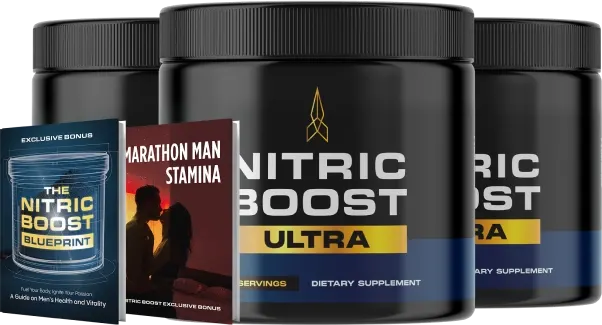
How NitricBoost Supports Healthy Circulation and Nitric Oxide
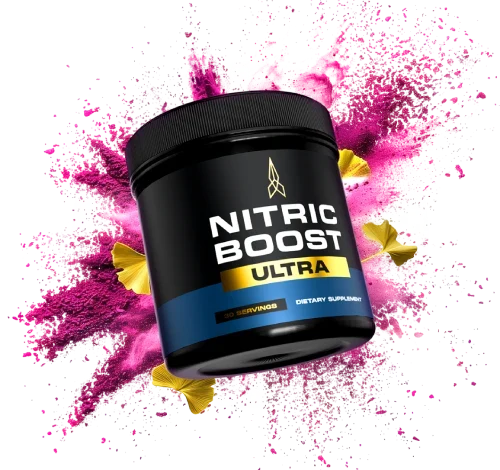
While exercise is paramount, certain natural compounds can work synergistically with your efforts to optimize nitric oxide production and support robust circulation. NitricBoost is formulated with a blend of ingredients specifically chosen for their roles in enhancing NO levels and cardiovascular health.
L-Arginine
Role: A crucial amino acid, L-Arginine is a direct precursor to nitric oxide in the body. It helps the endothelial cells in your blood vessels produce NO, promoting vasodilation and improved blood flow.
Typical Dose: 3-6g dailyL-Citrulline
Role: L-Citrulline is converted into L-Arginine in the kidneys, offering a more sustained and efficient way to increase arginine levels and, consequently, nitric oxide production. It bypasses some of the metabolic breakdown that L-Arginine can undergo, leading to higher plasma levels of arginine.
Typical Dose: 3-8g dailyBeet Root Extract
Role: Beets are naturally rich in dietary nitrates, which the body converts into nitric oxide. This natural pathway provides a powerful boost to NO levels, supporting healthy blood pressure and improved exercise performance.
Typical Dose: 500-1500mg dailyPine Bark Extract
Role: Contains powerful antioxidants called proanthocyanidins. These compounds protect blood vessels from oxidative stress, enhance endothelial function, and support the body's natural ability to produce and maintain healthy nitric oxide levels.
Typical Dose: 50-200mg dailyTrans-Resveratrol
Role: A potent antioxidant found in grapes and berries, Trans-Resveratrol has been shown to improve endothelial function, reduce inflammation, and stimulate nitric oxide synthesis, contributing to overall cardiovascular protection.
Typical Dose: 100-500mg dailyVitamin C
Role: An essential antioxidant that protects nitric oxide from degradation by free radicals, effectively prolonging its lifespan in the body. It also plays a role in collagen synthesis, which is vital for the structural integrity of blood vessels.
Typical Dose: 500-1000mg dailyBy providing these key ingredients, NitricBoost aims to offer comprehensive support for healthy blood vessel function, improved circulation, and sustained nitric oxide levels, working in harmony with your exercise routine and healthy lifestyle choices. For a detailed look at customer experiences, you might want to read our NitricBoost review 2026.
Ready to Experience Enhanced Circulation and Vitality?
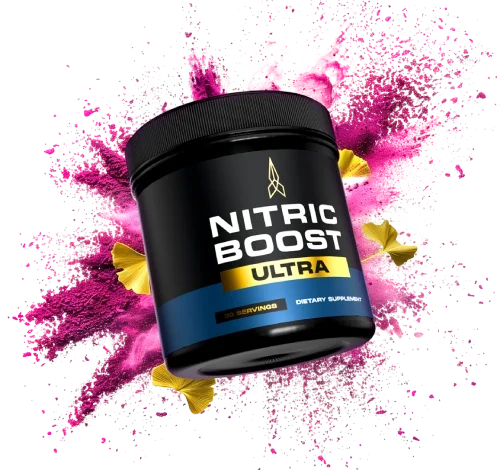
Don't let sluggish blood flow hold you back from living your best life. NitricBoost is formulated to support your body's natural ability to produce nitric oxide, promoting healthy circulation, energy, and overall cardiovascular wellness.
- ✓ Supports Healthy Blood Flow & Circulation
- ✓ Boosts Natural Nitric Oxide Production
- ✓ Enhances Energy & Vitality
- ✓ Promotes Cardiovascular Health
- ✓ Made with Premium, Natural Ingredients


What Our Customers Are Saying
"I used to have cold hands and feet all the time, making workouts uncomfortable. After incorporating NitricBoost with my daily walks, I've noticed a significant improvement in my circulation and overall energy. My hands and feet feel warmer, and I feel more vibrant!"
"As someone who's always active, I'm always looking for ways to optimize my performance and recovery. NitricBoost has become a staple in my routine. I feel better blood flow during my runs, and my recovery time seems quicker. Highly recommend for anyone serious about their fitness and health."
"My doctor recommended I focus on improving my circulation, and along with exercise and diet changes, I decided to try NitricBoost. I've been taking it for a few months now, and the difference is noticeable. Less leg cramping, more consistent energy, and I just feel healthier overall."
Frequently Asked Questions
How do exercises improve blood circulation?
+Exercise strengthens the heart, improves blood vessel elasticity, and promotes nitric oxide production, all contributing to better blood flow throughout the body.
What types of exercises are best for circulation?
+A combination of aerobic exercises (walking, swimming), strength training, and flexibility exercises (yoga, stretching) provides a comprehensive approach to enhancing circulation.
How often should I exercise to improve blood flow?
+Aim for at least 150 minutes of moderate-intensity aerobic exercise or 75 minutes of vigorous-intensity exercise per week, along with two days of strength training.
Can specific exercises help with low nitric oxide levels?
+Yes, exercises that elevate your heart rate and promote muscle contraction, particularly high-intensity interval training (HIIT) and resistance training, are known to stimulate nitric oxide production.
Is NitricBoost a substitute for exercise for circulation?
+No, NitricBoost is a dietary supplement designed to support healthy nitric oxide levels and complement a healthy lifestyle, including regular exercise. It is not a substitute for physical activity.
What other lifestyle changes support better circulation?
+Beyond exercise, maintaining a healthy diet, staying hydrated, managing stress, quitting smoking, and getting adequate sleep are crucial for optimal blood circulation.
Related Articles