Are you experiencing unexplained fatigue, cold hands/feet, or numbness?
Many individuals overlook the subtle signs that their body might be sending regarding compromised blood circulation. These symptoms, often dismissed as normal aging or minor discomforts, can actually be indicators of a deeper issue affecting your cardiovascular health. Proper blood flow is fundamental to every bodily function, ensuring that oxygen and vital nutrients reach every cell and organ, while effectively removing waste products.
When this intricate system falters, the consequences can range from mild discomfort to severe health complications. A critical, yet often overlooked, component in maintaining robust circulation is the availability of nitric oxide in the body. Understanding the causes of poor circulation and how low nitric oxide levels contribute to these problems is the first step toward improving your overall well-being.

What Exactly is Poor Blood Circulation?
Poor blood circulation, medically known as peripheral artery disease (PAD) when it affects the arteries outside of the heart and brain, or more broadly as impaired vascular function, occurs when the flow of blood to parts of your body is reduced. This typically affects the extremities, such as the legs, arms, hands, and feet, but can impact any organ system. When blood flow is compromised, cells and tissues are deprived of the oxygen and essential nutrients they need to function optimally. Simultaneously, the efficient removal of metabolic waste products, like carbon dioxide and lactic acid, is hindered, leading to a buildup that can cause discomfort and damage.
The cardiovascular system is a vast network of blood vessels—arteries, veins, and capillaries—that transport blood throughout the body. Arteries carry oxygenated blood from the heart, while veins return deoxygenated blood to the heart. Capillaries are the tiny vessels where the exchange of oxygen, nutrients, and waste products occurs at the cellular level. When any part of this system is obstructed, narrowed, or dysfunctional, circulation suffers. Understanding this intricate system is key to grasping why maintaining optimal blood flow is paramount for overall health and longevity. It's not just about feeling comfortable; it's about sustaining life at a cellular level.
💡 Key Takeaway
Poor blood circulation means reduced blood flow to body parts, often the extremities, depriving tissues of oxygen and nutrients and hindering waste removal. It's a critical issue impacting overall health, not just a minor discomfort.
The Vital Role of Nitric Oxide in Optimal Blood Flow
Nitric oxide (NO) is a simple molecule with profound effects on human health, particularly concerning the cardiovascular system. Often referred to as the "miracle molecule," NO acts as a potent vasodilator. This means it signals the smooth muscle cells surrounding your blood vessels to relax, causing the vessels to widen. When blood vessels dilate, blood can flow more freely, reducing resistance and ensuring efficient delivery of oxygen and nutrients throughout the body. This process is crucial for maintaining healthy blood pressure, supporting athletic performance, and even enhancing cognitive function.
Beyond vasodilation, nitric oxide also plays a critical role in preventing blood clots by inhibiting platelet aggregation, and it helps maintain the flexibility and integrity of the endothelial lining of your blood vessels. The endothelium, the inner lining of arteries, produces NO. A healthy endothelium is essential for a healthy cardiovascular system. When nitric oxide production is insufficient, blood vessels can become stiff and narrow, increasing the risk of various circulatory problems. This decline in NO production is often associated with aging and various lifestyle factors, making it a central focus in addressing poor circulation.
Primary Causes of Poor Blood Circulation
Poor blood circulation is not a disease in itself but rather a symptom or consequence of underlying health conditions and lifestyle choices. Identifying these root causes is crucial for effective management and prevention.
Atherosclerosis
This is arguably the most common cause. Atherosclerosis is a condition where plaque (made of fat, cholesterol, calcium, and other substances) builds up inside your arteries, narrowing them and hardening their walls. This restricts blood flow and can lead to serious cardiovascular events.
Diabetes
High blood sugar levels, common in diabetes, can damage blood vessels over time, making them narrower and less flexible. This damage, known as diabetic neuropathy and angiopathy, impairs circulation, especially to the extremities, and can lead to serious complications like foot ulcers and nerve damage.
Obesity
Excess body weight places increased strain on the heart and circulatory system. It often leads to higher blood pressure, elevated cholesterol levels, and inflammation, all of which contribute to endothelial dysfunction and impaired blood flow throughout the body.
High Blood Pressure (Hypertension)
Sustained high pressure against artery walls can damage them, making them less elastic and prone to plaque buildup. This damage directly impedes the smooth flow of blood and can significantly increase the risk of heart attack and stroke.
Smoking
Smoking is one of the most detrimental habits for circulatory health. The chemicals in tobacco smoke damage blood vessel walls, thicken blood, and promote plaque formation, severely restricting blood flow and drastically increasing the risk of PAD and other cardiovascular diseases.
Sedentary Lifestyle
Lack of physical activity contributes to poor circulation by reducing the efficiency of the circulatory system. Regular movement helps pump blood, strengthens the heart, and promotes the healthy function of blood vessels. Prolonged sitting is a significant risk factor.
Age
As we age, blood vessels naturally lose some of their elasticity and become stiffer. The production of nitric oxide also declines, making the circulatory system less efficient. While inevitable, its impact can be mitigated through healthy lifestyle choices.
Raynaud's Disease
This condition causes smaller arteries that supply blood to the skin to narrow, limiting blood circulation to affected areas (typically fingers and toes) in response to cold or stress. It can cause numbness, tingling, and a change in skin color.
Specific Factors Leading to Low Nitric Oxide Production
While poor circulation can stem from various physical obstructions or diseases, a significant and often underestimated contributor is the body's diminished ability to produce nitric oxide. Low NO levels can exacerbate existing circulatory issues or even initiate them. Understanding why NO production might be low is crucial for intervention.
Firstly, aging is a primary factor. As we get older, the endothelial cells that line our blood vessels become less efficient at producing nitric oxide. This natural decline starts around age 30 and can significantly impact vascular health by age 40 and beyond. Secondly, a diet lacking in specific nutrients can be detrimental. Foods rich in nitrates, such as leafy green vegetables and beetroot, are precursors to nitric oxide. Without adequate intake of these foods, the body struggles to maintain optimal NO levels. For more on dietary strategies, you can read about how a L-citrulline supplement can support blood flow.
Another major factor is a sedentary lifestyle. Physical activity stimulates the endothelium to produce more nitric oxide. Conversely, prolonged inactivity leads to reduced NO synthesis, contributing to stiffer, less responsive blood vessels. Chronic stress and poor sleep quality can also impair NO production through various hormonal pathways, leading to increased inflammation and oxidative stress that damage endothelial cells. Furthermore, certain medications, particularly those for heartburn (proton pump inhibitors) and some antibiotics, can interfere with the body's ability to convert dietary nitrates into nitric oxide. High blood pressure, high cholesterol, and diabetes, conditions already known to cause poor circulation, also directly impair nitric oxide availability, creating a vicious cycle that further compromises vascular health.
💡 Key Takeaway
Low nitric oxide is often caused by aging, a diet poor in nitrates, lack of exercise, chronic stress, certain medications, and existing conditions like hypertension or diabetes, all of which compromise the body's ability to maintain healthy blood vessel function.
Recognizing the Symptoms of Poor Blood Circulation
The symptoms of poor blood circulation can vary widely depending on which parts of the body are most affected. They can range from mild and intermittent to severe and debilitating. Early recognition is key to preventing progression and mitigating serious health risks.
Cold Hands and Feet
One of the most common and earliest indicators. Reduced blood flow to the extremities means less warmth reaching these areas, leading to persistently cold hands, fingers, feet, and toes, even in warm environments.
Numbness or Tingling
Often described as "pins and needles," this sensation occurs when nerves are not receiving adequate blood supply. It's particularly noticeable in the hands, arms, legs, and feet and can be a sign of nerve damage over time.
Swelling in Extremities
Poor circulation can lead to fluid retention (edema) in the ankles, feet, and legs. This happens because blood struggles to return to the heart, causing fluid to leak into surrounding tissues.
Muscle Cramps and Pain
Especially in the legs and calves during physical activity (known as claudication). When muscles don't receive enough oxygenated blood, they cramp and ache. This pain usually subsides with rest but returns with activity.
Fatigue and Low Energy
When the entire body struggles to receive sufficient oxygen and nutrients, overall energy levels plummet. Persistent fatigue, even after adequate rest, can be a symptom of systemic circulatory issues.
Skin Discoloration
Areas with poor circulation may appear pale, bluish (cyanosis), or mottled due to reduced oxygen flow. Skin may also become thin, shiny, or hairless, particularly on the legs and feet.
Slow-Healing Wounds
Cuts, scrapes, or sores on the feet and legs may take an unusually long time to heal, or may not heal at all. This is because the necessary nutrients and immune cells cannot reach the affected area effectively due to poor blood flow.
Hair Loss and Brittle Nails
Reduced nutrient delivery to hair follicles and nail beds can result in hair loss on the legs and feet, and nails that become brittle, slow-growing, or discolored.
Lifestyle Interventions to Improve Circulation and Boost Nitric Oxide
While medical conditions often require specific treatments, many cases of poor circulation and low nitric oxide can be significantly improved through targeted lifestyle changes. These interventions are powerful tools for enhancing cardiovascular health and overall well-being.
Regular Physical Activity: Exercise is perhaps the most effective way to improve circulation. When you exercise, your heart pumps blood more efficiently, and your blood vessels dilate to accommodate increased blood flow. This regular demand on your circulatory system strengthens blood vessels, improves endothelial function, and directly stimulates the production of nitric oxide. Aim for at least 30 minutes of moderate-intensity aerobic exercise most days of the week. Activities like brisk walking, swimming, cycling, or dancing are excellent choices. Even simple movements throughout the day, like standing up and stretching every hour, can make a difference in sedentary individuals.
Dietary Strategies for NO Production: Your diet plays a crucial role in maintaining healthy nitric oxide levels. Incorporate foods rich in nitrates, which your body converts into NO. Excellent sources include leafy greens like spinach, kale, and arugula, as well as beetroot, celery, and radishes. Additionally, foods rich in antioxidants, such as berries, citrus fruits, and dark chocolate, help protect nitric oxide from degradation, thereby preserving its beneficial effects. Consuming foods rich in L-arginine and L-citrulline, like nuts, seeds, meat, and watermelon, can also support NO synthesis. For those interested in enhancing their nitric oxide levels through diet and supplementation, further details can be found in our article on nitric oxide supplements for blood flow.
Maintain a Healthy Weight: Excess body weight, particularly abdominal fat, is strongly linked to inflammation, insulin resistance, and endothelial dysfunction—all factors that impair nitric oxide production and overall circulation. Achieving and maintaining a healthy weight through diet and exercise can significantly reduce the strain on your cardiovascular system and improve blood flow.
Quit Smoking: If you smoke, quitting is the single most impactful step you can take for your circulatory health. Smoking severely damages blood vessel walls, reduces nitric oxide availability, and promotes plaque buildup. Cessation can lead to rapid improvements in endothelial function and blood flow.
Manage Stress: Chronic stress triggers the release of hormones like cortisol, which can constrict blood vessels and impair nitric oxide production. Practicing stress-reduction techniques such as meditation, yoga, deep breathing exercises, or spending time in nature can help relax blood vessels and improve circulation.
Stay Hydrated: Water is essential for maintaining blood volume and viscosity. Dehydration can lead to thicker blood, making it harder for the heart to pump and reducing overall blood flow. Ensure you drink plenty of water throughout the day.
Elevate Legs and Avoid Prolonged Standing/Sitting: If you experience swelling in your legs or feet, elevating them can help reduce fluid accumulation. Avoid sitting or standing in one position for extended periods. Take regular breaks to move around and stretch, promoting better venous return.
💡 Key Takeaway
Improving circulation and boosting nitric oxide largely depends on lifestyle: regular exercise, a nitrate-rich diet, maintaining a healthy weight, quitting smoking, managing stress, and staying hydrated are key interventions.
The Role of Supplements in Supporting Circulation and Nitric Oxide
While lifestyle changes are paramount, certain dietary supplements can offer additional support for improving blood circulation and enhancing nitric oxide production, especially when dietary intake or natural production is insufficient. These supplements often contain compounds that are precursors to NO or that support the health of the endothelial cells responsible for its synthesis.
L-Arginine and L-Citrulline: These amino acids are crucial for the nitric oxide pathway. L-arginine is a direct precursor to NO, while L-citrulline is converted into L-arginine in the kidneys, providing a sustained source for NO production. Supplementation with these compounds can help increase circulating nitric oxide levels, leading to improved vasodilation and blood flow. Many people find these beneficial for their vascular health. You can explore reviews of L-citrulline supplements for blood flow to understand their impact.
Beetroot Extract: Rich in dietary nitrates, beetroot extract is a natural and effective way to boost nitric oxide. Once consumed, nitrates are converted to nitrites by oral bacteria and then to NO in the body, particularly under low oxygen conditions. This process contributes to improved athletic performance, lower blood pressure, and enhanced circulation.
Antioxidants: Vitamins C and E, along with other antioxidants like resveratrol and pine bark extract, play a vital role in protecting nitric oxide from oxidative stress. Oxidative stress can rapidly degrade NO, reducing its availability. By neutralizing free radicals, antioxidants help preserve NO and support endothelial function.
Folic Acid and B Vitamins: B vitamins, particularly folic acid (B9) and B12, are essential for managing homocysteine levels. Elevated homocysteine is a risk factor for cardiovascular disease and can impair endothelial function and NO production. Adequate intake of these vitamins can help maintain healthy blood vessel integrity.
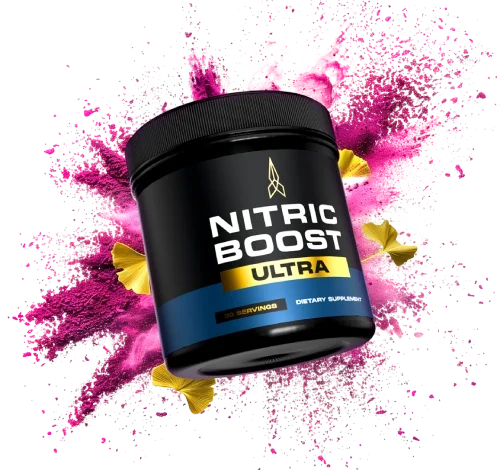
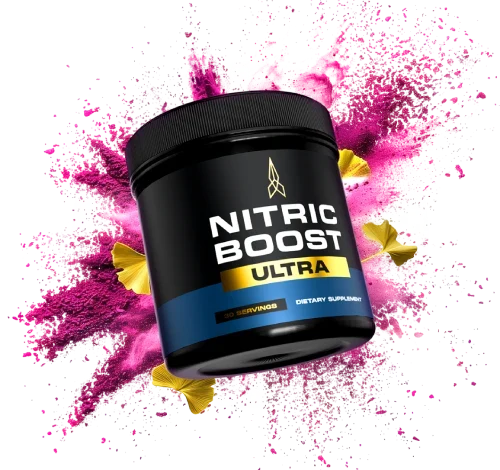
For individuals seeking a comprehensive approach, a well-formulated supplement like NitricBoost can be a valuable addition to a healthy lifestyle. NitricBoost is designed with a blend of natural ingredients, including key nitric oxide boosters, to support optimal blood flow and cardiovascular health. It aims to provide the body with the necessary building blocks to enhance its natural NO production, thereby helping to address the underlying causes of poor circulation symptoms. Remember, any supplement should be considered as part of a holistic health strategy and discussed with a healthcare professional.
Key Ingredients in NitricBoost to Support Healthy Circulation
NitricBoost is formulated with a powerful blend of natural ingredients, each carefully selected for its scientifically-backed ability to support nitric oxide production and overall cardiovascular health. These ingredients work synergistically to enhance blood flow and alleviate symptoms of poor circulation.
L-Citrulline
A potent amino acid, L-Citrulline is a precursor to L-Arginine, which is then converted into nitric oxide. It's highly effective because it bypasses liver metabolism, leading to higher and more sustained levels of L-Arginine and, consequently, more nitric oxide in the bloodstream. This promotes vasodilation and improved blood flow.
Beetroot Extract
Naturally rich in dietary nitrates, beetroot extract is a powerhouse for nitric oxide production. When consumed, these nitrates are converted into nitrites and then into nitric oxide, helping to relax and widen blood vessels, which supports healthy blood pressure and enhances overall circulation.
Pine Bark Extract
Known for its potent antioxidant properties, pine bark extract (often standardized for proanthocyanidins) helps protect the delicate endothelial lining of blood vessels from oxidative damage. It also supports the body's natural production of nitric oxide, contributing to improved vascular tone and blood flow.
Hawthorn Berry
Traditionally used to support heart health, Hawthorn berry extract contains flavonoids and proanthocyanidins that can help strengthen the heart muscle, improve blood flow, and enhance the dilation of coronary arteries. It's a comprehensive ingredient for overall cardiovascular support.
Folic Acid & Vitamin B12
These essential B vitamins play a critical role in homocysteine metabolism. High levels of homocysteine are linked to endothelial damage and impaired nitric oxide production. By helping to regulate homocysteine, Folic Acid and Vitamin B12 contribute to maintaining healthy blood vessel function and integrity.
Grape Seed Extract
Another powerful antioxidant, grape seed extract, is rich in oligomeric proanthocyanidin complexes (OPCs). It supports vascular health by protecting blood vessels from damage, reducing inflammation, and potentially enhancing nitric oxide bioavailability, leading to better circulation.
When to Seek Medical Advice
While many lifestyle changes and supplements can help manage and improve symptoms of poor circulation, it's crucial to understand when medical intervention is necessary. Poor circulation can be a symptom of serious underlying conditions that require professional diagnosis and treatment.
You should consult a doctor if you experience persistent or worsening symptoms such as severe leg pain that doesn't improve with rest (critical limb ischemia), non-healing sores or ulcers on your feet or legs, a noticeable change in the color or temperature of your skin (especially if it becomes cold, pale, or bluish), or chronic numbness and tingling that affects your daily life. If you have known risk factors like diabetes, high blood pressure, high cholesterol, or a family history of heart disease or stroke, it's especially important to discuss any circulatory symptoms with your physician promptly. Early diagnosis can prevent serious complications like amputation, heart attack, or stroke. Your doctor can perform tests to determine the exact cause of your poor circulation and recommend the most appropriate course of action, which may include medication, specialized therapies, or lifestyle modifications. Never self-diagnose or delay seeking professional medical advice for concerning symptoms.
Take Control of Your Circulation with NitricBoost
Don't let the symptoms of poor blood circulation hold you back from living a vibrant, energetic life. NitricBoost is a premium, all-natural supplement formulated to support your body's natural nitric oxide production, helping to improve blood flow, enhance energy levels, and promote overall cardiovascular health. With a blend of scientifically-backed ingredients, NitricBoost offers a proactive solution to support your vascular well-being.
- ✓ Supports Healthy Blood Flow & Circulation
- ✓ Boosts Natural Nitric Oxide Production
- ✓ Enhances Energy & Vitality
- ✓ Promotes Cardiovascular Health
- ✓ Made with All-Natural, Clinically-Studied Ingredients



What Our Customers Are Saying
"I used to suffer from cold feet and tingling, especially at night. After starting NitricBoost, I've noticed a significant improvement. My feet are warmer, and the numbness is almost gone. I feel more energetic throughout the day. Highly recommend!"
"As I've gotten older, my circulation hasn't been what it used to be. My doctor suggested focusing on nitric oxide. I found NitricBoost and decided to try it. I'm so glad I did! My blood pressure readings have been better, and I have more stamina during my daily walks. It's truly made a difference."
"I was skeptical at first, but the persistent leg cramps were really bothering me. After a few weeks on NitricBoost, the cramps have drastically reduced, and I feel like my legs have better circulation. The natural ingredients were a big plus for me. I'll definitely keep taking it."
Frequently Asked Questions
What are the most common early symptoms of poor blood circulation?
+Early symptoms often include cold hands and feet, numbness or tingling sensations in the extremities, swollen ankles or feet, muscle cramps (especially in the legs during activity, known as claudication), fatigue, and pale or bluish skin. These symptoms can be subtle at first but tend to worsen over time if the underlying causes are not addressed.
How does low nitric oxide directly impact blood circulation?
+Nitric oxide (NO) is a crucial molecule that acts as a vasodilator, meaning it relaxes and widens blood vessels. When NO levels are low, blood vessels constrict, increasing resistance to blood flow. This reduced vasodilation directly hinders proper circulation, making it harder for blood, oxygen, and nutrients to reach tissues and organs efficiently, and can contribute to higher blood pressure.
Can lifestyle changes significantly improve blood flow and nitric oxide levels?
+Absolutely. Lifestyle changes are foundational for improving blood flow and boosting nitric oxide. Regular physical activity, a balanced diet rich in nitrates (like leafy greens and beets), maintaining a healthy weight, quitting smoking, and managing stress can all contribute significantly to better circulation and higher nitric oxide production. These changes help optimize endothelial function and overall cardiovascular health.
What dietary factors contribute to poor circulation and low nitric oxide?
+A diet high in processed foods, saturated and trans fats, excessive sugar, and sodium can negatively impact circulation. These foods contribute to inflammation, plaque buildup in arteries, and oxidative stress, which can impair nitric oxide production. Conversely, a diet rich in fruits, vegetables, whole grains, and lean proteins supports healthy blood vessels and NO levels.
When should I be concerned about poor circulation symptoms and seek medical advice?
+You should seek medical advice if you experience persistent or worsening symptoms such as severe leg pain, non-healing sores, skin discoloration, chronic numbness or tingling, or any signs that significantly impact your daily life. It's especially crucial if you have existing risk factors like diabetes, high blood pressure, or a family history of heart disease, as these could indicate a more serious underlying condition.
How can NitricBoost help support healthy blood circulation?
+NitricBoost is formulated with natural ingredients known to support the body's natural production of nitric oxide. Ingredients like L-Citrulline and beetroot extract are precursors to nitric oxide, helping to relax and widen blood vessels, thereby promoting improved blood flow. This enhanced circulation can help deliver more oxygen and nutrients to cells, potentially alleviating symptoms associated with poor blood flow.
Related Articles