Struggling with sluggish circulation and wondering how to naturally support your heart?
Poor blood circulation and low nitric oxide levels can significantly impact your overall health, leading to fatigue, cold extremities, and increased risk of cardiovascular issues. Many seek effective, natural ways to improve these vital functions, but often overlook the simplest, most profound solutions.
While various approaches exist, an ancient practice stands out for its profound benefits: yoga. Integrating specific yoga poses and breathing techniques can be a powerful strategy to enhance blood flow, optimize nitric oxide production, and fortify your cardiovascular system, offering a gentle yet potent path to better health.

Understanding Poor Circulation and Low Nitric Oxide: The Silent Threats
Before we delve into solutions, it's crucial to grasp the fundamental importance of healthy blood circulation and the critical role of nitric oxide (NO) in maintaining it.
Your circulatory system is a vast network of blood vessels—arteries, veins, and capillaries—that transport blood throughout your body. This blood carries essential oxygen, nutrients, hormones, and immune cells to every organ and tissue, while also removing waste products. When this system isn't functioning optimally, it's known as poor blood circulation. Symptoms can range from mild discomfort, such as cold hands and feet, numbness, and tingling, to more severe issues like fatigue, muscle cramps, digestive problems, and even cognitive decline.
At the heart of healthy circulation is nitric oxide (NO). Often called the "miracle molecule," NO is a powerful vasodilator, meaning it relaxes and widens blood vessels. This relaxation allows blood to flow more freely, reducing blood pressure and ensuring efficient delivery of vital substances. Low levels of nitric oxide are often associated with endothelial dysfunction, a condition where the inner lining of blood vessels (endothelium) doesn't function properly, contributing to issues like hypertension, atherosclerosis, and other cardiovascular diseases.
Factors contributing to poor circulation and low NO include a sedentary lifestyle, unhealthy diet, smoking, chronic stress, aging, and certain medical conditions like diabetes and obesity. Addressing these underlying issues is paramount, and incorporating natural, holistic practices can make a significant difference.
💡 Key Takeaway
Poor circulation and low nitric oxide are critical health concerns, impacting everything from energy levels to heart health. Nitric oxide is essential for relaxing blood vessels, ensuring efficient blood flow, and protecting the cardiovascular system.
The Ancient Practice of Yoga: More Than Just Stretching
Originating in ancient India thousands of years ago, yoga is far more than just a series of physical postures. It's a holistic discipline that integrates physical exercises (asanas), breathing techniques (pranayama), meditation, and ethical principles.
While many are drawn to yoga for its flexibility and stress-reduction benefits, its impact on internal systems, particularly the cardiovascular system, is profound and often underestimated. Modern science is increasingly validating what ancient yogis understood instinctively: that a balanced body and mind are intrinsically linked to robust physical health. By engaging the body in mindful movement and conscious breathing, yoga creates an environment conducive to healing and optimization from within.
Unlike high-impact cardio, yoga offers a gentle yet effective way to condition the heart and vessels. It works by stimulating various physiological processes that directly influence circulation and nitric oxide synthesis, making it an ideal practice for individuals looking to improve their heart health without excessive strain.
How Yoga Boosts Blood Circulation and Nitric Oxide Production
Yoga's ability to enhance circulation and nitric oxide levels stems from several interconnected mechanisms, working synergistically to create a healthier cardiovascular environment.
Improved Blood Flow Through Movement
Yoga postures involve a dynamic interplay of contraction and relaxation of muscles. As you move into and out of poses, muscles compress and release blood vessels, effectively acting as a pump. This rhythmic action helps push deoxygenated blood back to the heart and facilitate the flow of oxygenated blood to the extremities. Inversions, where the heart is above the head (like Downward Dog or Legs Up the Wall), use gravity to gently reverse blood flow, aiding venous return and reducing fluid retention in the legs and feet.
Enhanced Oxygenation and Nitric Oxide Synthesis
Deep, conscious breathing (pranayama) is a cornerstone of yoga. When you breathe deeply, you increase oxygen intake, which is vital for cellular function, including the production of nitric oxide. Oxygen is a key component in the enzymatic pathway that synthesizes NO in the endothelial cells. Furthermore, proper breathing techniques help to create a favorable pH balance in the blood, which supports NO bioavailability. By improving lung capacity and efficiency, yoga ensures that more oxygen is available to fuel these critical processes.
Stress Reduction and Blood Pressure Regulation
Chronic stress is a major contributor to high blood pressure and impaired circulation. Yoga's emphasis on mindfulness, meditation, and controlled breathing activates the parasympathetic nervous system, commonly known as the "rest and digest" system. This counteracts the "fight or flight" response, reducing stress hormones like cortisol and adrenaline. Lower stress levels lead to relaxed blood vessels, decreased heart rate, and reduced blood pressure, thereby significantly improving overall cardiovascular health and supporting natural NO production.
Flexibility and Endothelial Health
Regular yoga practice enhances the flexibility of both muscles and connective tissues. This increased flexibility can also extend to the blood vessels themselves. Supple, elastic blood vessels are more responsive to the body's needs and better able to dilate and constrict effectively. This improved endothelial function is directly linked to better nitric oxide signaling and overall vascular health. A more flexible body generally indicates a more flexible and responsive circulatory system.
Reduced Inflammation
Chronic inflammation is a silent enemy of cardiovascular health, contributing to arterial stiffness and plaque buildup. Yoga has been shown to reduce markers of inflammation in the body. By calming the nervous system and promoting overall cellular health, yoga helps create an anti-inflammatory environment. Reduced inflammation protects the delicate lining of blood vessels, preserving their ability to produce and utilize nitric oxide efficiently.
Key Yoga Poses for Optimal Blood Flow and Cardiovascular Health
Certain yoga poses are particularly effective at stimulating circulation and supporting heart health. Incorporating these into your routine can yield significant benefits.
1. Downward-Facing Dog (Adho Mukha Svanasana)
This foundational pose is a mild inversion, meaning your heart is above your head. It helps to increase blood flow to the brain, calm the nervous system, and stretch the entire body. The inverted position aids in venous return from the legs, reducing fluid buildup and promoting fresh blood flow. Holding this pose strengthens the arms and legs, further assisting circulation.
2. Legs Up the Wall (Viparita Karani)
A restorative and highly beneficial pose for circulation, Legs Up the Wall involves lying on your back with your legs extended straight up a wall. This simple inversion uses gravity to drain stagnant blood and lymph from the legs and feet, providing relief from swelling and fatigue. It also calms the nervous system, reducing stress which can impede healthy blood flow.
3. Bridge Pose (Setu Bandhasana)
Bridge Pose gently opens the chest and heart, promoting deeper breathing and improving circulation to the heart and lungs. As you lift your hips, blood flow to the pelvic region and abdomen is stimulated, invigorating organs. This pose also strengthens the back and glutes, supporting overall structural integrity that can impact circulation.
4. Cat-Cow Pose (Marjaryasana-Bitilasana)
Performed on all fours, the rhythmic movement of Cat-Cow gently massages the abdominal organs, stimulating digestion and circulation in the core. This flowing motion also helps to warm up the spine, release tension, and synchronize breath with movement, which is excellent for overall energy flow and reducing stagnation.
5. Warrior II (Virabhadrasana II)
Standing poses like Warrior II build strength and stamina, which are crucial for cardiovascular health. This pose strengthens the legs, hips, and core, while also opening the chest and improving lung capacity. The active engagement of large muscle groups in the legs helps to pump blood more effectively throughout the body, improving peripheral circulation.
6. Reclined Spinal Twist (Supta Matsyendrasana)
Twisting poses are excellent for detoxifying and stimulating internal organs. A gentle reclined twist compresses and then releases the abdominal area, flushing out stagnant blood and encouraging fresh, oxygenated blood to flow in. This aids digestion, supports liver function, and can indirectly improve overall circulation by optimizing internal organ health.
Remember to always listen to your body and modify poses as needed. Consistency is more important than intensity, especially when starting a new practice.
The Power of Pranayama: Breathing for Your Heart
Beyond physical postures, the conscious control of breath, known as Pranayama, is a cornerstone of yoga that profoundly impacts cardiovascular health and nitric oxide production.
Our breath is inextricably linked to our physiological state. Shallow, rapid breathing, often a result of stress, can exacerbate poor circulation and reduce oxygen delivery. Conversely, deep, diaphragmatic breathing activates the vagus nerve, promoting relaxation and optimizing internal functions. Here are a few key pranayama techniques beneficial for circulation:
1. Diaphragmatic Breathing (Abdominal Breathing)
This is the most fundamental and perhaps most impactful breathing technique. Instead of breathing shallowly into your chest, you engage your diaphragm, allowing your belly to rise and fall. This maximizes oxygen intake, stimulates the parasympathetic nervous system, and gently massages internal organs, aiding venous return and lymphatic drainage. Practicing this for just 5-10 minutes daily can significantly reduce stress and improve oxygen saturation.
2. Alternate Nostril Breathing (Nadi Shodhana)
Nadi Shodhana is a balancing pranayama that calms the nervous system, reduces anxiety, and helps regulate blood pressure. By alternating breathing through each nostril, it balances the left and right hemispheres of the brain, leading to a profound sense of tranquility. This reduction in stress directly benefits heart health and supports the body's natural NO production by mitigating stress-induced vasoconstriction.
3. Ujjayi Breath (Victorious Breath)
Characterized by a gentle constriction in the back of the throat, creating an oceanic sound, Ujjayi breath is often used during yoga asana practice. It helps to build internal heat, focus the mind, and maintain a steady rhythm. The sustained, deep inhalation and exhalation help to oxygenate the blood more effectively and can have a calming effect on the heart rate, making it beneficial for overall cardiovascular regulation.
Consistent pranayama practice can lower resting heart rate, improve heart rate variability (an indicator of a healthy, adaptable cardiovascular system), and enhance the body's capacity to produce and utilize nitric oxide.
Mind-Body Connection: Yoga, Stress, and Cardiovascular Health
The holistic nature of yoga means it addresses not just the physical body, but also the mind and spirit, recognizing their profound impact on physical health.
It's well-established that chronic stress is a significant risk factor for cardiovascular disease. When stressed, our bodies release hormones like cortisol and adrenaline, which can elevate blood pressure, increase heart rate, and lead to inflammation and arterial stiffness. These physiological responses are detrimental to both circulation and nitric oxide levels.
Yoga, through its meditative aspects and emphasis on mindfulness, offers a powerful antidote to modern stress. The practice encourages you to be present, to observe thoughts without judgment, and to cultivate a sense of inner calm. Regular meditation and mindfulness practices, often integrated into a yoga session, have been shown to:
- Lower Blood Pressure: By calming the nervous system, meditation helps to relax blood vessels and reduce the force of blood against arterial walls.
- Improve Heart Rate Variability (HRV): A higher HRV indicates a more resilient and adaptable cardiovascular system, reflecting a healthier balance between the sympathetic and parasympathetic nervous systems.
- Reduce Inflammation: Chronic stress fuels inflammation. By reducing stress, yoga helps to lower inflammatory markers, protecting the delicate endothelium.
- Enhance Endothelial Function: A calm, stress-free state allows the endothelial cells to function optimally, ensuring efficient nitric oxide production and release.
By fostering a peaceful mind, yoga directly contributes to a healthier heart and more efficient circulatory system, creating an environment where nitric oxide can thrive.
Integrating Yoga into Your Daily Routine
Making yoga a regular part of your life doesn't require hours of practice or advanced flexibility. Even short, consistent sessions can bring profound benefits.
For Beginners: Start with gentle styles like Hatha or Restorative yoga. Focus on proper alignment and breath awareness. Many online resources and local studios offer beginner-friendly classes. Even 15-20 minutes a few times a week can make a difference. Don't be discouraged if you can't touch your toes; yoga is about progress, not perfection.
Consistency is Key: Like any exercise, the benefits of yoga accumulate over time. Aim for regular practice, even if it's just a few minutes of conscious breathing or a couple of poses. Listen to your body and avoid pushing through pain. Yoga should feel nourishing, not punishing.
Listen to Your Body: Pay attention to how your body feels during and after practice. If a pose causes discomfort, modify it or skip it. The goal is to create a sustainable practice that supports your well-being, not to achieve extreme flexibility. Hydration and proper nutrition also play a crucial role in supporting your body's ability to recover and adapt to physical activity.
Beyond the Mat: Complementary Strategies for Cardiovascular Wellness
While yoga is a powerful tool, a holistic approach to cardiovascular health and optimal circulation involves integrating several lifestyle factors.
Balanced Nutrition: A diet rich in whole foods, fruits, vegetables, lean proteins, and healthy fats is paramount. Focus on foods high in nitrates (like leafy greens and beets) which the body can convert to nitric oxide. Limiting processed foods, excessive sugar, and unhealthy saturated fats reduces inflammation and supports arterial health. For more insights on specific nutrients, consider reading about the role of omega-3s in heart and circulation.
Adequate Hydration: Water is essential for maintaining blood volume and viscosity. Dehydration can lead to thicker blood, making it harder for the heart to pump and impeding circulation. Aim for at least 8 glasses of water daily, more if you're active.
Quality Sleep: Sleep is a time for the body to repair and regenerate. Chronic sleep deprivation can negatively impact blood pressure, inflammation, and hormone regulation, all of which affect cardiovascular health. Ensuring 7-9 hours of quality sleep per night is crucial. You can learn more about the profound link between sleep and cardiovascular health.
Regular Physical Activity: While yoga provides unique benefits, combining it with other forms of moderate exercise, such as brisk walking, swimming, or cycling, can further amplify cardiovascular health. Regular movement keeps your heart strong and your blood flowing.
Supporting Your Body's Natural Nitric Oxide Production
Even with a dedicated yoga practice and healthy lifestyle, sometimes our bodies need additional support to maintain optimal nitric oxide levels, especially as we age or face specific health challenges.
As we get older, our body's natural ability to produce nitric oxide can decline. This is where targeted nutritional support can play a vital role. Certain amino acids and plant extracts are known to be precursors or enhancers of nitric oxide synthesis within the body. These can work synergistically with your lifestyle efforts to ensure your circulatory system has the best possible foundation.
When considering supplementation, look for ingredients that are scientifically backed to support NO production. These often include L-Arginine and L-Citrulline, which are direct precursors to NO, as well as botanical extracts that protect existing NO or enhance its bioavailability. For individuals experiencing persistent symptoms of poor circulation or low energy despite lifestyle changes, a high-quality supplement designed to boost nitric oxide can be a powerful addition.
Before introducing any new supplement, it's always advisable to consult with your healthcare provider, especially if you have underlying health conditions or are taking medications.
L-Arginine
A semi-essential amino acid that is a direct precursor to nitric oxide in the body. It helps relax blood vessels, promoting healthy blood flow and supporting cardiovascular function.
L-Citrulline
An amino acid that the body converts into L-Arginine, which then produces nitric oxide. It's often considered more effective than L-Arginine alone for boosting NO levels due to better absorption.
Beetroot Extract
Rich in natural nitrates, beetroot is a powerful ingredient. When consumed, these nitrates are converted into nitric oxide, leading to improved blood flow, lower blood pressure, and enhanced exercise performance.
Pine Bark Extract
Known for its potent antioxidant properties, pine bark extract (often standardized to Pycnogenol) can help protect nitric oxide from degradation, enhance its production, and improve endothelial function for better vascular health.
Amla Fruit Extract
Also known as Indian Gooseberry, Amla is a rich source of Vitamin C and other antioxidants. It supports endothelial health, reduces oxidative stress, and contributes to the stability and efficacy of nitric oxide in the body.
Ready to Supercharge Your Circulation and Heart Health?
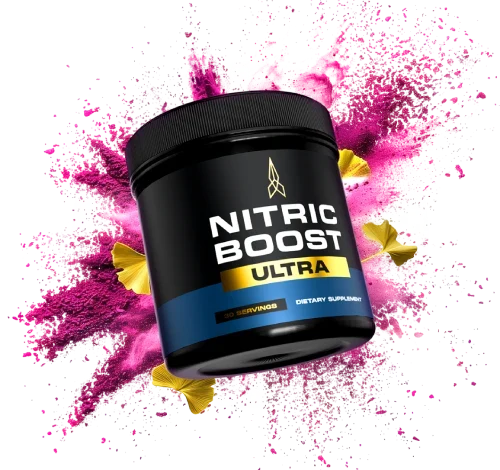
Combining the powerful benefits of yoga with a scientifically formulated supplement like NitricBoost can provide comprehensive support for your cardiovascular system. NitricBoost is designed to help your body naturally optimize nitric oxide levels, enhancing blood flow and promoting a healthier heart.
- ✓ Supports healthy blood pressure
- ✓ Boosts natural nitric oxide production
- ✓ Enhances circulation and nutrient delivery
- ✓ Improves energy and vitality
- ✓ Formulated with clinically studied ingredients




Real Results from Our Satisfied Customers
"I've been doing yoga for years, but adding NitricBoost has taken my circulation to another level. My hands and feet are finally warm, and I feel more energetic throughout the day. It's truly a game-changer!"
"As someone with occasional cold extremities, I was looking for natural solutions. NitricBoost, combined with my daily yoga, has made a noticeable difference. I can feel the improved blood flow, and my overall vitality has increased."
"My doctor recommended I look into ways to boost my nitric oxide. NitricBoost seemed like a good fit, and I appreciate its natural ingredients. Coupled with my evening yoga, I've seen a positive impact on my blood pressure readings and energy. Highly recommend!"
Frequently Asked Questions
How does yoga specifically improve blood circulation?
+Yoga improves circulation through a combination of physical movement, breathwork (pranayama), and stress reduction. Poses gently compress and decompress veins and arteries, acting like a pump to encourage blood flow. Inversions use gravity to redirect blood, while deep breathing enhances oxygen delivery and nitric oxide production. Reducing stress also lowers blood pressure, easing the heart's workload.
Can yoga truly increase nitric oxide levels in the body?
+Yes, yoga can indirectly and directly contribute to increased nitric oxide (NO) levels. Regular physical activity, including yoga, stimulates the endothelial cells lining blood vessels to produce NO. Furthermore, deep, rhythmic breathing techniques enhance oxygenation, which is crucial for NO synthesis, and reduce oxidative stress that can degrade NO.
What are the best yoga poses for someone with poor circulation?
+For poor circulation, poses that involve inversions, twists, and leg work are particularly beneficial. Examples include Legs Up the Wall (Viparita Karani), Downward-Facing Dog (Adho Mukha Svanasana), Bridge Pose (Setu Bandhasana), Cat-Cow (Marjaryasana-Bitilasana), and various standing poses like Warrior II (Virabhadrasana II) that strengthen leg muscles and promote blood return to the heart.
How often should I practice yoga to see cardiovascular benefits?
+For significant cardiovascular benefits, aiming for 3-5 sessions of yoga per week, each lasting 30-60 minutes, is generally recommended. Consistency is key. Even shorter, daily practices focusing on breath and gentle movement can provide cumulative benefits over time. Listen to your body and gradually increase duration and intensity.
Is yoga safe for everyone, especially those with existing heart conditions?
+While yoga is generally safe, individuals with existing heart conditions or severe circulation issues should consult their physician before starting any new exercise regimen, including yoga. A qualified instructor can help modify poses to ensure safety and effectiveness. Avoid strenuous or inverted poses if you have uncontrolled high blood pressure or certain heart conditions.
How does NitricBoost complement a yoga practice for circulation?
+NitricBoost is designed to provide a targeted boost to your body's natural nitric oxide production through its blend of clinically studied ingredients. While yoga enhances NO through movement and breath, a supplement like NitricBoost can offer foundational support, ensuring your body has ample precursors for NO synthesis. This can create a synergistic effect, amplifying the benefits of your yoga practice for improved circulation and cardiovascular health.
Related Articles

