Is Your Sleep Sabotaging Your Heart Health and Circulation?
In our fast-paced world, many of us view sleep as a luxury rather than a fundamental pillar of health. Yet, emerging research increasingly highlights sleep's critical role, not just for mental clarity and energy, but for the very health of our cardiovascular system. What if the quality of your sleep directly impacted how well your blood flows, and even the efficiency of a key molecule essential for heart health?
The answer lies in the crucial link between sleep quality, efficient blood flow, and nitric oxide production. Poor sleep doesn't just leave you tired; it can trigger a cascade of negative effects that impair your circulation, reduce vital nitric oxide levels, and put your heart at risk. Understanding this intricate relationship is the first step towards truly optimizing your cardiovascular well-being.

The Silent Saboteur: How Sleep Impacts Your Heart and Circulation
We often underestimate the power of a good night's sleep, viewing it merely as a period of rest for our minds. However, sleep is a profoundly active state for our bodies, especially for our cardiovascular system.
During sleep, our heart rate and blood pressure naturally decrease, giving the heart a much-needed break and allowing blood vessels to repair and rejuvenate. This nocturnal recovery period is vital for maintaining the elasticity and function of your arteries and veins. It's when your body performs critical maintenance, including the repair of endothelial cells that line your blood vessels and play a key role in regulating blood flow. Without sufficient and quality sleep, these essential restorative processes are severely disrupted, leading to a cascade of negative health consequences that can silently undermine your cardiovascular resilience.
When sleep is consistently poor or insufficient, these vital restorative processes are disrupted. Chronic sleep deprivation, defined as regularly getting less than 7-9 hours of quality sleep, can lead to a host of physiological changes that directly compromise blood circulation and cardiovascular health. It's not just about feeling tired; it's about the silent damage occurring within your arteries and veins, setting the stage for more serious health issues down the line. Understanding this fundamental connection is paramount to safeguarding your long-term well-being and ensuring your heart and circulatory system function optimally for years to come.
The Vicious Cycle: Poor Sleep, Impaired Circulation, and Low Nitric Oxide
The relationship between sleep and cardiovascular health is a two-way street, deeply intertwined with a crucial molecule: nitric oxide (NO). This simple gas, naturally produced by the lining of our blood vessels (the endothelium), is a master regulator of blood flow.
When you consistently lack adequate sleep, your body enters a state of chronic stress. This stress triggers an increase in inflammatory markers and hormones like cortisol, which can directly damage the delicate endothelial cells. Damaged endothelium is less efficient at producing nitric oxide. With reduced NO, your blood vessels lose their ability to relax and dilate effectively, leading to impaired circulation. This means less oxygen and fewer nutrients reach your tissues and organs, including your heart and brain, potentially leading to fatigue, cognitive fog, and even muscle pain.
Furthermore, poor sleep is associated with higher blood pressure and increased arterial stiffness, both hallmarks of compromised cardiovascular health. These conditions further exacerbate the decline in nitric oxide synthesis and utilization. When arteries stiffen, they become less able to expand and contract with each heartbeat, putting more strain on the heart and hindering efficient blood delivery. It becomes a vicious cycle: poor sleep leads to lower NO, which leads to worse circulation and higher stress on the heart, which then can further disrupt sleep patterns due to discomfort or anxiety. Breaking this cycle is essential for improving overall cardiovascular vitality and reclaiming your energy.
💡 Key Takeaway
Poor sleep disrupts the body's natural restorative processes, leading to increased inflammation and stress. This directly impairs endothelial function, reducing nitric oxide production, which is vital for healthy blood vessel relaxation and optimal circulation, creating a detrimental feedback loop for cardiovascular health.
Nitric Oxide: The Unsung Hero of Blood Flow
Often overshadowed by more complex molecules, nitric oxide (NO) is arguably one of the most critical signaling molecules in the human body, particularly for cardiovascular health. Its discovery earned a Nobel Prize, yet its profound importance is still not widely understood by the general public.
Nitric oxide acts as a powerful vasodilator, meaning it signals the smooth muscle cells surrounding your arteries to relax, allowing blood vessels to widen. This widening effect significantly improves blood flow, ensuring that oxygen, nutrients, and hormones are efficiently delivered to every cell, tissue, and organ in your body. From your brain to your fingertips, optimal NO levels mean optimal function and vitality. This efficient transport system is fundamental for everything from cognitive performance to muscle recovery after exercise, and even the health of your skin.
Beyond vasodilation, NO also plays a vital role in preventing blood clots by making blood platelets less sticky, and it helps maintain the flexibility and elasticity of your arteries. It's crucial for regulating blood pressure, supporting immune function, and even influencing athletic performance. Without sufficient nitric oxide, blood flow becomes sluggish, blood pressure can rise, and the risk of various cardiovascular issues increases dramatically. Maintaining healthy NO levels is therefore a cornerstone of robust cardiovascular well-being and a key factor in living a longer, healthier life.
The Night Shift: How Sleep Influences Nitric Oxide Production
The connection between sleep and nitric oxide production is more direct and profound than many realize. Our bodies are designed to perform specific restorative tasks during different sleep stages, and NO regulation is one of them.
During **deep sleep**, particularly non-REM sleep, the body undergoes significant physiological changes. Blood pressure and heart rate drop, reducing the overall stress on the cardiovascular system. This period of reduced activity is crucial for the endothelial cells, which line your blood vessels, to synthesize and release nitric oxide more effectively. Sufficient deep sleep allows these cells to recover and operate at their peak, ensuring a steady supply of NO. This nightly reset helps to maintain the delicate balance required for optimal vascular health and prepares your circulatory system for the demands of the waking day.
Conversely, **sleep deprivation** triggers a sympathetic nervous system response, leading to increased levels of stress hormones like cortisol and adrenaline. These hormones can directly inhibit the enzyme **eNOS (endothelial Nitric Oxide Synthase)**, which is responsible for producing NO. Furthermore, chronic lack of sleep promotes oxidative stress and inflammation, both of which can destroy existing nitric oxide and impair the endothelium's ability to create new NO. Essentially, when you don't sleep enough, your body struggles to produce and maintain adequate levels of this vital molecule, directly impacting your blood circulation and cardiovascular resilience. This impairment can manifest as reduced energy, slower recovery, and a greater risk of various cardiovascular complications over time.
The Ripple Effect: How Poor Sleep Impacts Circulation
Increased Blood Pressure
Lack of sleep disrupts the body's ability to regulate stress hormones, leading to elevated blood pressure during both waking hours and even during sleep, placing extra strain on arteries and increasing the risk of hypertension.
Endothelial Dysfunction
Chronic sleep deprivation damages the inner lining of blood vessels (endothelium), making them less flexible and less capable of producing nitric oxide, thereby impairing vasodilation and hindering efficient blood flow.
Systemic Inflammation
Poor sleep fuels chronic inflammation throughout the body, which can contribute to plaque buildup in arteries (atherosclerosis), narrowing blood vessels, and further restricting blood flow to vital organs and tissues.
Impaired Glucose Metabolism
Insufficient sleep can lead to insulin resistance, affecting blood sugar levels. High blood sugar can damage blood vessels over time, compromising their integrity and elasticity, and leading to poor circulation.
Hormonal Imbalance
Sleep plays a key role in hormone regulation. Disruptions can affect hormones that control appetite, metabolism, and stress responses, indirectly impacting cardiovascular health and circulation through various physiological pathways.
Reduced Oxygen Delivery
With constricted blood vessels and impaired circulation, less oxygen is delivered to vital organs and tissues. This can result in persistent fatigue, muscle cramps, cognitive issues, and a general feeling of low vitality.
Recognizing the Red Flags: Signs of Poor Circulation and Low Nitric Oxide
While the underlying mechanisms of poor circulation and low nitric oxide are complex, their symptoms can often be noticed in daily life. Recognizing these signs early is crucial for taking proactive steps towards better health.
Common indicators of poor blood circulation include persistent cold hands and feet, numbness or tingling sensations in the extremities (often described as "pins and needles"), and swelling in the legs or ankles. You might also experience unexplained fatigue, muscle cramps, particularly in the legs during or after activity, or skin discoloration. Wounds that are slow to heal, particularly on the lower limbs, can also be a significant sign of inadequate blood flow to the affected area, hindering the body's natural repair processes.
Symptoms specifically linked to low nitric oxide often overlap with general circulatory issues but can also include persistent high blood pressure that is difficult to manage, reduced exercise tolerance, and a general feeling of low energy or sluggishness. Because NO is crucial for various bodily functions, its deficiency can manifest in subtle but impactful ways, affecting everything from cognitive function and memory to overall vitality and even sexual health. If you experience several of these symptoms consistently, it's a strong signal to evaluate your lifestyle and consider strategies to support your circulatory health and boost your nitric oxide levels.
Holistic Strategies for Enhancing Sleep, Circulation, and Nitric Oxide
Optimizing your sleep, circulation, and nitric oxide levels doesn't require drastic measures but rather a consistent, holistic approach. Integrating several key lifestyle changes can yield significant benefits for your cardiovascular health.
Prioritize Sleep Hygiene: Establishing a consistent sleep schedule, even on weekends, is paramount. Create a relaxing bedtime routine, ensure your bedroom is dark, quiet, and cool, and avoid screens for at least an hour before bed. Limiting caffeine and heavy meals in the evening can also make a significant difference in your ability to fall asleep and stay asleep, allowing your body to perform its vital restorative functions.
Embrace a Heart-Healthy Diet: Focus on foods rich in nitrates, antioxidants, and essential nutrients. Leafy greens like spinach and arugula, beets, and pomegranates are excellent natural sources of nitrates, which the body converts into nitric oxide. Include plenty of fruits, vegetables, whole grains, and lean proteins while minimizing processed foods, excessive sodium, and unhealthy fats. Consider learning more about natural remedies for circulation relief that often start with dietary adjustments and specific nutrient intake.
Regular Physical Activity: Exercise is a powerful stimulant for nitric oxide production. Engaging in moderate-intensity aerobic activities, such as brisk walking, jogging, or cycling, for at least 30 minutes most days of the week helps keep your blood vessels flexible and encourages NO release. Strength training also plays a role in supporting overall cardiovascular fitness and muscle health, which aids in venous return. For specific guidance, explore effective exercises to improve circulation that you can easily incorporate into your daily routine.
Manage Stress Effectively: Chronic stress is a known enemy of nitric oxide, leading to vasoconstriction and reduced NO bioavailability. Incorporate stress-reduction techniques like meditation, yoga, deep breathing exercises, or spending quality time in nature. Reducing stress helps calm the sympathetic nervous system, allowing your body to produce NO more efficiently and promoting a state of relaxation conducive to better sleep and overall health.
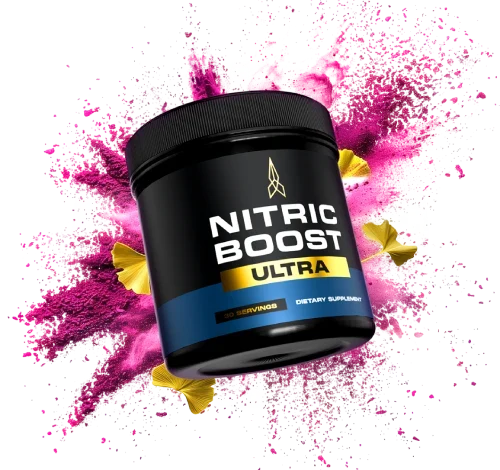
Consider Targeted Supplementation: While diet and lifestyle are foundational, certain supplements can provide additional support for nitric oxide production and overall circulation, especially as we age and natural NO production declines. Ingredients like L-Citrulline, Beetroot Extract, and specific vitamins and minerals are known to support the body's natural NO pathways. When choosing a supplement, look for well-researched ingredients and reputable brands that prioritize quality and purity, such as NitricBoost, which can be a valuable addition to your health regimen.
Remember, consistency is key. Small, sustainable changes over time will lead to significant improvements in your sleep quality, blood circulation, and overall cardiovascular well-being, paving the way for a more energetic and healthier life.
NitricBoost: A Natural Approach to Circulatory and Sleep Support
While lifestyle adjustments are fundamental, for many, an additional targeted approach can be beneficial in optimizing nitric oxide levels and supporting cardiovascular health. This is where a high-quality supplement like NitricBoost can play a supportive role.
NitricBoost is formulated with a synergistic blend of natural ingredients specifically chosen for their ability to enhance the body's natural nitric oxide production, improve blood circulation, and indirectly contribute to better sleep quality by supporting overall cardiovascular function. It's designed to complement your healthy lifestyle choices, providing your body with the building blocks it needs to maintain robust blood flow and endothelial health. By focusing on the root causes of impaired circulation and low NO, NitricBoost aims to help you experience greater vitality, improved energy, and a more profound sense of well-being. It's a proactive step towards ensuring your circulatory system is performing at its best.
The Multifaceted Advantages of Supporting Nitric Oxide
Enhancing your body's natural nitric oxide production through a combination of lifestyle and targeted supplementation offers a wide array of benefits that extend far beyond just blood flow.
Improved Cardiovascular Health
Optimal nitric oxide levels are essential for maintaining healthy blood pressure, reducing arterial stiffness, and supporting the overall function of your heart. It helps ensure your cardiovascular system operates smoothly and efficiently, protecting against the long-term wear and tear that can lead to serious conditions.
Enhanced Blood Circulation
By promoting vasodilation, nitric oxide ensures efficient delivery of oxygen and nutrients to every cell and tissue. This can alleviate symptoms of poor circulation like cold extremities, numbness, and muscle cramps, leading to increased vitality and a more comfortable daily experience.
Greater Energy and Stamina
With better blood flow, your muscles and organs receive more oxygen, leading to improved energy levels and endurance. This can enhance physical performance during exercise, reduce daily fatigue, and help you feel more active and engaged throughout your day.
Support for Restful Sleep
While not a direct sleep aid, by reducing cardiovascular strain, promoting relaxation through improved blood flow, and fostering overall physiological balance, healthy circulation and NO levels can indirectly contribute to a more relaxed state, which is conducive to deeper, more restorative sleep patterns.
Cognitive Function and Brain Health
Adequate blood flow to the brain is critical for sharp memory, focus, and overall cognitive function. Nitric oxide supports cerebral circulation, helping to ensure your brain receives the oxygen and nutrients it needs to perform at its best, leading to improved mental clarity.
Immune System Support
Nitric oxide plays a crucial role in the immune response, helping the body defend against pathogens and regulate inflammatory processes. By supporting endothelial health and reducing systemic inflammation, it contributes to a more robust and responsive immune system.
Key Ingredients in NitricBoost for Circulatory Support
NitricBoost features a blend of scientifically-backed ingredients chosen for their proven ability to support nitric oxide production and overall cardiovascular health.
L-Citrulline
L-Citrulline is a powerful amino acid that converts to L-Arginine in the kidneys, which then directly produces nitric oxide. It supports vasodilation, improving blood flow throughout the body and reducing arterial stiffness, contributing to healthy blood pressure.
Beetroot Extract
Rich in dietary nitrates, beetroot extract is a natural precursor to nitric oxide. When consumed, these nitrates are converted into NO, enhancing blood vessel relaxation and promoting healthy blood pressure levels, as well as boosting exercise endurance and oxygen delivery.
Hawthorn Berry
Traditionally used for heart health for centuries, Hawthorn Berry is known for its ability to dilate coronary blood vessels, improve blood flow to the heart, and strengthen cardiac muscle contractions. It's a key ingredient for overall cardiovascular support and vitality.
Pine Bark Extract (Pycnogenol)
A potent antioxidant, Pine Bark Extract supports endothelial function by increasing nitric oxide synthesis and protecting blood vessels from oxidative stress. It contributes to improved microcirculation, reduced swelling, and overall vascular health and integrity.
Vitamin C
Beyond its immune benefits, Vitamin C plays a crucial role in maintaining the integrity of blood vessels and enhancing nitric oxide bioavailability. It helps protect NO from degradation, ensuring its sustained beneficial effects on circulation and endothelial health.
Magnesium
An essential mineral, Magnesium supports healthy blood pressure and relaxes blood vessels. It acts as a cofactor in many enzymatic reactions, including those involved in nitric oxide synthesis and endothelial function, promoting smooth blood flow and muscle relaxation.
Take Control of Your Cardiovascular Health with NitricBoost
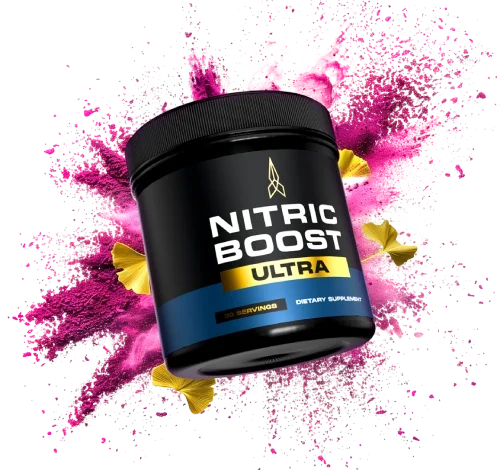
Don't let poor circulation and restless nights hold you back. NitricBoost offers a natural, comprehensive approach to support your body's nitric oxide production and promote optimal blood flow, helping you reclaim your vitality.
- Supports healthy blood circulation throughout the body
- Boosts natural nitric oxide production for vascular health
- Promotes endothelial function and arterial elasticity
- Contributes to restful sleep by easing cardiovascular strain
- Made with natural, science-backed ingredients in the USA



Real People, Real Results: Stories from NitricBoost Users
"I used to wake up feeling sluggish, and my hands and feet were always cold. Since starting NitricBoost a few months ago, I've noticed a significant improvement in my energy levels and my circulation feels much better. My sleep also feels deeper and more restorative."
"As someone nearing retirement, I'm focused on heart health. My doctor mentioned nitric oxide, and I found NitricBoost. I feel more active, less breathless during my walks, and surprisingly, my sleep has become more consistent. Highly recommend this natural boost!"
"I've tried various supplements for circulation, but NitricBoost is the first one where I genuinely feel a difference. My legs feel less heavy at the end of the day, and I'm sleeping through the night more often. It's truly helped my overall well-being and daily comfort."
Frequently Asked Questions
How does NitricBoost improve circulation?
+NitricBoost is formulated with natural ingredients like L-Citrulline and Beetroot Extract, which are precursors to nitric oxide (NO). NO is a powerful vasodilator, meaning it helps relax and widen your blood vessels, allowing for improved blood flow and more efficient delivery of oxygen and nutrients throughout your body.
Can NitricBoost help with sleep?
+While NitricBoost is not a direct sleep aid, by promoting healthy blood circulation and reducing cardiovascular strain, it can indirectly contribute to a more relaxed physiological state. This can make it easier to fall asleep and experience more restorative, deeper sleep, supporting overall well-being.
Who can benefit from taking NitricBoost?
+NitricBoost is designed for adults looking to support their cardiovascular health, improve blood circulation, and maintain healthy nitric oxide levels. It can be particularly beneficial for those experiencing symptoms of poor circulation, seeking to enhance athletic performance, or looking for natural ways to support heart health as they age.
What are the main ingredients in NitricBoost?
+NitricBoost contains a blend of well-researched natural ingredients including L-Citrulline, Beetroot Extract, Hawthorn Berry, Pine Bark Extract (Pycnogenol), Vitamin C, and Magnesium. Each ingredient is selected for its specific role in supporting nitric oxide production and cardiovascular health.
Is NitricBoost safe and natural?
+Yes, NitricBoost is made with all-natural ingredients and is manufactured in a GMP-certified facility in the USA, adhering to strict quality standards. It is generally well-tolerated, but as with any supplement, it's always recommended to consult with your physician before starting, especially if you have existing medical conditions or are taking other medications.
How long does it take to see results with NitricBoost?
+Individual results may vary, but many users report noticing improvements in energy levels, circulation, and overall well-being within a few weeks of consistent use. For optimal benefits, it's recommended to take NitricBoost regularly as part of a healthy lifestyle. We offer a 60-day money-back guarantee so you can try it risk-free.
Related Articles