Is Your Testosterone Affecting Your Blood Flow?
For many men, discussions about health often focus on individual symptoms – whether it's flagging energy, reduced libido, or a general sense of fatigue. What often goes unaddressed is the profound interconnectedness of these issues, particularly the critical link between your testosterone levels and the efficiency of your blood circulation. This isn't just about feeling good; it's about foundational physiological processes that underpin your overall health and vitality.
As men age, both testosterone levels and cardiovascular efficiency can decline, often in tandem, creating a cycle that can exacerbate symptoms. Understanding this intricate relationship is the first step towards reclaiming your youthful vigor. We'll explore how these two pillars of male health influence each other, and crucially, what steps you can take to support optimal blood flow and hormonal balance, naturally and effectively.
The Hormonal Highway: Testosterone's Role in Vascular Health
Testosterone, often celebrated for its role in muscle growth, libido, and energy, is far more than just a "male hormone." Its influence extends deeply into the cardiovascular system, acting as a crucial regulator of blood vessel health and function.
Research has consistently shown that optimal testosterone levels are associated with a healthier endothelium – the inner lining of blood vessels. This lining is vital for producing nitric oxide (NO), a potent vasodilator. Vasodilation is the process by which blood vessels relax and widen, allowing blood to flow more freely and efficiently throughout the body. When testosterone levels are adequate, the endothelium is better equipped to produce NO, leading to improved blood flow, lower blood pressure, and reduced risk of arterial stiffness. Conversely, when testosterone levels decline, this delicate balance can be disrupted, leading to reduced NO production and impaired vasodilation.
Furthermore, testosterone plays a role in regulating cholesterol levels and preventing plaque buildup in arteries. It helps maintain the elasticity of blood vessels, ensuring they can adapt to the body's changing demands. This direct impact on vascular health underscores why maintaining healthy testosterone levels is not just about feeling virile; it's fundamental to preserving your cardiovascular well-being as you age. The synergy between testosterone and blood vessel function is a powerful testament to the body's interconnected systems, where one hormone can have far-reaching effects on vital circulatory processes.
💡 Key Takeaway
Testosterone is crucial for vascular health, directly influencing the production of nitric oxide (NO) which promotes vasodilation and efficient blood flow. Low testosterone can impair NO synthesis, leading to reduced blood flow and increased cardiovascular risk.
Blood Flow: The Lifeline of Male Vitality
If testosterone is the conductor, then blood flow is the orchestra, carrying vital nutrients, oxygen, and hormones to every cell and tissue in your body. Optimal blood circulation is non-negotiable for virtually every physiological function, especially those associated with male vitality.
Consider the most obvious example: erectile function. An erection is fundamentally a vascular event, requiring a rapid and sustained influx of blood into the penile tissues. Without adequate blood flow, achieving and maintaining an erection becomes challenging, a condition known as erectile dysfunction (ED). But the impact extends far beyond sexual health. Robust blood flow is essential for muscle growth and repair, ensuring that amino acids and oxygen reach muscle cells efficiently, promoting recovery and hypertrophy after exercise. It fuels your brain, supporting cognitive functions like memory, focus, and clarity. Poor circulation can manifest as "brain fog," reduced mental sharpness, and even contribute to mood disturbances.
Furthermore, efficient blood flow is critical for energy production at a cellular level. It ensures waste products are removed effectively, preventing cellular toxicity and inflammation. When circulation is compromised, you might experience persistent fatigue, slower wound healing, cold hands and feet, and a general feeling of sluggishness. Therefore, supporting healthy blood flow is not just about addressing specific symptoms; it's about optimizing the fundamental delivery system that keeps your entire body performing at its peak. The quality of your blood flow directly dictates the quality of your overall health and vitality.
The Vicious Cycle: Low T Leads to Poor Circulation, and Vice Versa
The relationship between testosterone and blood circulation is not a one-way street; it's a complex, bidirectional feedback loop. Declining levels in one often exacerbate issues in the other, creating a challenging cycle for men's health.
When testosterone levels drop, as commonly occurs with age, the body's ability to produce nitric oxide diminishes. This leads to less efficient vasodilation, resulting in narrower, less flexible blood vessels and overall poor blood circulation. This reduced blood flow impacts critical areas, including the testes themselves. The testes, responsible for producing testosterone, require a robust blood supply to function optimally. If their blood flow is compromised, their ability to synthesize testosterone can be further impaired, deepening the low T state.
Simultaneously, poor circulation contributes to systemic inflammation and oxidative stress, which are known to negatively impact hormone production. Chronic inflammation can interfere with the signaling pathways that regulate testosterone synthesis, creating a hostile environment for endocrine function. Moreover, conditions often associated with poor circulation, such as obesity and metabolic syndrome, are also strongly linked to low testosterone. Excess body fat, particularly visceral fat, can increase the activity of an enzyme called aromatase, which converts testosterone into estrogen, further reducing available free testosterone.
This vicious cycle means that addressing only one aspect may not yield comprehensive results. To truly optimize male vitality, a holistic approach that simultaneously supports both healthy testosterone levels and efficient blood circulation is often necessary. Breaking this cycle requires understanding the interplay and targeting interventions that can benefit both systems concurrently, leading to more sustainable improvements in overall health and well-being.
Nitric Oxide: The Master Regulator of Blood Flow
At the heart of the testosterone-circulation connection lies a simple yet profoundly powerful molecule: nitric oxide (NO). Often dubbed the "master regulator of blood flow," NO plays an indispensable role in maintaining cardiovascular health and male vitality.
What is Nitric Oxide?
Nitric oxide is a gas produced naturally by the inner lining of your blood vessels (the endothelium). It acts as a signaling molecule, telling your smooth muscle cells in the blood vessel walls to relax, causing them to widen. This process, known as vasodilation, is critical for efficient blood flow.
Why is NO Crucial?
Improved blood flow means more oxygen and nutrients reach your muscles, organs, and tissues. This translates to better athletic performance, enhanced erectile function, improved cognitive clarity, and sustained energy levels. NO also helps regulate blood pressure and supports overall heart health.
The Link to Low T and Poor Circulation
As discussed, low testosterone can reduce the body's capacity to produce NO. This leads to less efficient vasodilation, which then contributes to poor circulation. This deficiency creates a feedback loop where impaired blood flow further hinders the optimal environment for testosterone production, perpetuating the problem.
Boosting NO Naturally
Several natural compounds can help the body produce more NO. These include L-Arginine and L-Citrulline, amino acids that are direct precursors to NO. Dietary nitrates found in foods like beetroot can also be converted into NO in the body. Supporting NO production is a key strategy for enhancing both circulation and, indirectly, testosterone levels.
Symptoms to Watch For: Recognizing the Signs
Recognizing the early warning signs of declining testosterone and compromised circulation is crucial for proactive health management. These symptoms often overlap, making it challenging to pinpoint the exact cause without medical evaluation, but awareness is the first step.
One of the most commonly reported symptoms is Erectile Dysfunction (ED). As previously mentioned, erections rely heavily on healthy blood flow, and low testosterone can diminish both libido and the physiological response necessary for an erection. Beyond ED, a general low libido or decreased sex drive is a hallmark sign of hormonal imbalance.
Persistent fatigue, even after adequate sleep, is another red flag. When blood flow is poor, cells don't receive enough oxygen and nutrients to produce energy efficiently. Similarly, low testosterone can directly impact energy levels. This often manifests as a lack of stamina, difficulty exercising, or a constant feeling of being drained. You might also notice a decline in cognitive function, commonly referred to as "brain fog," making it hard to concentrate, remember things, or feel mentally sharp.
Physical changes include reduced muscle mass and strength, coupled with an increase in body fat, particularly around the abdomen. Testosterone plays a key role in maintaining muscle and regulating fat distribution. When levels are low, muscle wasting can occur, and fat storage increases. Furthermore, poor circulation can lead to more subtle signs like cold hands and feet, indicating that blood isn't reaching the extremities as efficiently as it should. If you are experiencing several of these symptoms, it's a strong indication that you should consult with a healthcare professional to assess your hormonal and cardiovascular health.
Lifestyle Interventions for Optimal T & Circulation
While the connection between testosterone and blood circulation can seem daunting, the good news is that numerous lifestyle changes can significantly impact both. These natural strategies form the foundation of any comprehensive approach to male vitality.
Nutrient-Rich Diet
Embrace a diet rich in whole, unprocessed foods. Focus on lean proteins, healthy fats (avocado, nuts, olive oil), and an abundance of fruits and vegetables. Foods high in nitrates, like leafy greens (spinach, kale) and beetroot, are particularly beneficial as they are precursors to nitric oxide. Limiting processed sugars, unhealthy fats, and excessive alcohol can reduce inflammation and support hormonal balance.
Regular Exercise
A combination of resistance training and cardiovascular exercise is ideal. Resistance training (lifting weights) naturally boosts testosterone production and builds muscle, which improves metabolic health. Cardio, like brisk walking, jogging, or cycling, strengthens the heart and improves endothelial function, directly enhancing blood flow. Aim for at least 150 minutes of moderate-intensity cardio or 75 minutes of vigorous cardio, plus two days of strength training per week.
Effective Stress Management
Chronic stress elevates cortisol levels, which can suppress testosterone production and constrict blood vessels, impairing circulation. Incorporate stress-reducing practices into your daily routine such as meditation, deep breathing exercises, yoga, or spending time in nature. Addressing and managing stress is a critical, often overlooked, component of improving both hormonal and cardiovascular health. For more on this, read our article on Managing Stress: A Hidden Key to Healthy Blood Pressure.
Quality Sleep
Sleep is when your body repairs itself and produces vital hormones, including testosterone. Insufficient sleep (less than 7-9 hours per night) can significantly lower testosterone levels. Prioritize a consistent sleep schedule, create a relaxing bedtime routine, and optimize your sleep environment to ensure restful, restorative sleep.
Maintain a Healthy Weight
Excess body fat, particularly around the waist, is associated with lower testosterone levels and increased risk of poor circulation. Adipose tissue contains the aromatase enzyme, which converts testosterone to estrogen. Achieving and maintaining a healthy body weight through diet and exercise can significantly improve both hormonal balance and cardiovascular health.
The Role of Targeted Supplementation: Enhancing Natural Pathways
While lifestyle changes are foundational, certain targeted supplements can provide additional support, helping to optimize the body's natural pathways for nitric oxide production and testosterone synthesis. These are not replacements for healthy habits, but powerful complements.
Many natural compounds have been studied for their ability to enhance blood flow and support male hormonal health. Ingredients that boost nitric oxide, such as L-Citrulline, L-Arginine, and Beetroot Extract, are paramount. L-Citrulline, in particular, is often preferred as it is more efficiently converted to L-Arginine and then to NO in the body, leading to sustained increases in blood flow. Pine Bark Extract (often standardized as Pycnogenol) is another powerful ingredient known for its ability to improve endothelial function and stimulate NO production.
Beyond NO boosters, certain vitamins and minerals are critical for testosterone production. Zinc is a well-known essential mineral directly involved in testosterone synthesis, and deficiencies are common in men with low T. Vitamin D3, often referred to as the "sunshine vitamin," functions as a hormone in the body and has been linked to higher testosterone levels and improved cardiovascular markers. Magnesium supports over 300 enzymatic reactions, including those involved in energy production and NO synthesis. Finally, Boron is a trace mineral that has shown promise in supporting free testosterone levels and reducing estrogen.
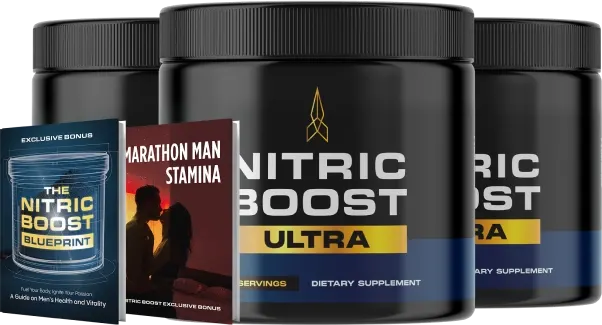
When considering supplementation, it's vital to choose products that combine these synergistic ingredients in clinically relevant dosages. One such solution designed to support these pathways is NitricBoost. It aims to provide comprehensive support for both healthy nitric oxide production and natural testosterone levels, helping men reclaim their vitality. For a deeper dive into options, you might find our article on Top Circulation Supplements for Men Over 50 helpful.
Understanding NitricBoost: A Synergistic Formula for Men's Health
NitricBoost is formulated to address the intertwined challenges of low testosterone and poor blood circulation by leveraging a blend of natural, science-backed ingredients. Each component is chosen for its specific role in supporting the body's innate ability to produce nitric oxide and maintain hormonal balance.
L-Citrulline
Role: A powerful amino acid that converts to L-Arginine in the kidneys, which then directly produces nitric oxide. L-Citrulline is often more effective than L-Arginine alone for boosting NO levels due to better absorption and bioavailability.
L-Arginine
Role: A direct precursor to nitric oxide, L-Arginine is critical for vasodilation. It helps relax blood vessels, promoting healthy blood flow to all parts of the body, including muscles and erectile tissues.
Beetroot Extract
Role: Rich in natural nitrates, beetroot extract is converted into nitric oxide in the body through a different pathway than L-Citrulline/L-Arginine. This dual pathway ensures robust and sustained NO production, supporting cardiovascular health and stamina.
Pine Bark Extract (Pycnogenol)
Role: A potent antioxidant that enhances endothelial function, stimulates nitric oxide synthase (the enzyme that makes NO), and improves blood vessel elasticity. It also aids in reducing oxidative stress and inflammation, further supporting circulation.
Magnesium
Role: An essential mineral involved in over 300 biochemical reactions, including energy production and muscle function. It supports healthy blood pressure, nerve function, and plays a role in nitric oxide synthesis and testosterone regulation.
Zinc
Role: A crucial trace mineral for numerous bodily functions, including immune health and hormone production. Zinc deficiency is commonly linked to low testosterone levels, and supplementation can help normalize them.
Vitamin D3
Role: Often considered a pro-hormone, Vitamin D3 is vital for bone health, immune function, and has a significant impact on testosterone levels. Adequate Vitamin D3 is associated with higher free and total testosterone.
Boron
Role: A trace mineral that may influence hormone metabolism. Studies suggest boron can help increase free testosterone levels by reducing the activity of sex hormone-binding globulin (SHBG) and decreasing estrogen levels.
By combining these powerful ingredients, NitricBoost aims to create a synergistic effect, supporting the body's natural mechanisms for optimizing both blood flow and testosterone. This comprehensive approach is designed to help men experience improved energy, stamina, physical performance, and overall vitality.
For those looking to optimize their physical output, especially during workouts, understanding how nitric oxide can enhance performance is key. Our article, Fueling Your Performance: Why Nitric Oxide Matters for Workouts, offers more insights into this aspect.
Reclaim Your Edge: Naturally Boost Testosterone & Blood Flow
Don't let declining energy, performance, and circulation hold you back. NitricBoost is formulated with clinically studied ingredients to support healthy nitric oxide production, essential for robust blood flow, and to provide comprehensive support for male vitality. Experience the difference of enhanced energy, stamina, and overall well-being.
- Supports healthy nitric oxide levels for optimal blood flow.
- Promotes natural testosterone production and hormonal balance.
- Enhances energy, stamina, and physical performance.
- Aids in cardiovascular health and erectile function.
- Made with all-natural, science-backed ingredients.


Hear From Our Satisfied Customers
"I've tried numerous supplements, but NitricBoost truly made a difference. My energy is up, and I feel a noticeable improvement in my overall vitality. Highly recommend!"
"As someone concerned about aging, I was looking for a natural way to support my health. NitricBoost has helped me feel more active and my circulation seems much better. Great product!"
"The difference in my workouts and daily energy since starting NitricBoost is incredible. I feel stronger, more focused, and my recovery is faster. A game-changer for sure!"
Frequently Asked Questions
How does NitricBoost support both testosterone and blood circulation?
+NitricBoost contains key ingredients like L-Citrulline, L-Arginine, and Beetroot Extract, which are precursors to nitric oxide (NO). NO is a powerful vasodilator, meaning it helps relax and widen blood vessels, improving blood flow throughout the body. Better blood flow is essential for nutrient delivery, oxygenation, and also supports the optimal function of endocrine glands, including those involved in testosterone production. Ingredients like Zinc and Vitamin D3 directly support natural testosterone synthesis.
What are the common signs of low testosterone and poor circulation?
+Common signs include fatigue, low libido, erectile dysfunction, reduced muscle mass, increased body fat, difficulty concentrating (brain fog), cold hands and feet, and general weakness. These symptoms often overlap because both conditions can negatively impact energy levels, metabolic function, and overall vitality.
Is NitricBoost suitable for all men?
+NitricBoost is formulated for adult men looking to naturally support their blood circulation and hormonal balance. While it uses natural ingredients, it's always recommended to consult with your healthcare provider before starting any new supplement, especially if you have pre-existing medical conditions, are taking medications, or have specific health concerns.
How long does it take to see results with NitricBoost?
+Individual results can vary, but many users report feeling initial benefits, such as increased energy and improved vitality, within a few weeks. For more significant and sustained improvements in circulation, stamina, and hormonal balance, consistent use for at least 60-90 days is recommended. The ingredients work synergistically to support long-term physiological changes.
Are there any side effects associated with NitricBoost?
+NitricBoost is made with natural ingredients and is generally well-tolerated. It is designed to be safe for daily use. However, as with any supplement, some individuals may experience mild digestive upset. If you experience any adverse reactions, discontinue use and consult your physician. Always adhere to the recommended dosage.
Can I combine NitricBoost with other medications or supplements?
+While NitricBoost is a natural supplement, it's crucial to discuss its use with your doctor or pharmacist if you are currently taking any prescription medications, particularly those for blood pressure, heart conditions, or blood thinners. They can provide personalized advice and ensure there are no potential interactions.
Related Articles