Are You Ready to Reclaim Your Health and Supercharge Your Circulation After Quitting Smoking?
The decision to quit smoking is one of the most profound commitments you can make to your long-term health. While the immediate benefits, like improved breathing and taste, are often celebrated, the deeper, systemic healing that occurs within your body, particularly concerning your cardiovascular system, is truly remarkable. Smoking profoundly impacts your blood circulation, transforming healthy, flexible arteries into stiff, constricted pathways. But the good news is, your body has an incredible capacity for repair.
This article delves into the critical relationship between smoking cessation and the dramatic improvements in blood circulation, with a special focus on the vital role of Nitric Oxide (NO). Understanding how quitting smoking revitalizes your vascular health and boosts your body's natural NO production can empower your journey to a healthier, smoke-free life. Join us as we explore the science, the steps, and the solutions to help you achieve optimal blood flow and overall well-being.

The Devastating Impact of Smoking on Your Blood Circulation
Smoking is a leading cause of preventable death and disease, with its most insidious effects often observed within the cardiovascular system. The thousands of chemicals found in cigarette smoke wreak havoc on your blood vessels, leading to a cascade of problems that severely impair blood circulation throughout your body.
Each puff of a cigarette introduces a cocktail of toxins, including nicotine, carbon monoxide, and tar, directly into your bloodstream. Nicotine, a powerful vasoconstrictor, immediately narrows your blood vessels, forcing your heart to work harder to pump blood. This acute effect is just the beginning. Over time, these chemicals cause chronic damage to the endothelium, the delicate inner lining of your arteries. The endothelium is crucial for producing Nitric Oxide (NO), a molecule essential for maintaining flexible, open blood vessels.
When the endothelium is damaged, its ability to produce NO is severely compromised. This leads to a state of endothelial dysfunction, where blood vessels lose their elasticity and become prone to inflammation and plaque buildup. Carbon monoxide, another dangerous component of smoke, reduces the oxygen-carrying capacity of your blood, further stressing your heart and tissues. The cumulative effect is atherosclerosis – a hardening and narrowing of the arteries due to fatty plaque deposits. This process restricts blood flow, leading to various serious conditions.
For more detailed information on how these issues develop, you might find our article on causes-of-poor-circulation.html insightful. The chronic reduction in blood flow can manifest as peripheral artery disease (PAD), affecting the legs and feet, or contribute to coronary artery disease (CAD), which impacts the heart. Smokers are also at a significantly higher risk of heart attack, stroke, and aneurysms, all direct consequences of damaged and constricted blood vessels.
💡 Key Takeaway
Smoking directly damages the endothelium, the inner lining of blood vessels, impairing Nitric Oxide production and leading to vasoconstriction, inflammation, and plaque buildup (atherosclerosis), which severely compromises blood circulation and increases the risk of cardiovascular diseases.
Nitric Oxide: The Master Regulator of Blood Flow
To truly understand the profound impact of smoking cessation on your cardiovascular health, we must first grasp the critical role of Nitric Oxide (NO). This tiny, gaseous molecule is a powerhouse in the human body, particularly when it comes to regulating blood flow and maintaining overall vascular health.
Nitric Oxide is produced by the endothelial cells lining your blood vessels. It acts as a vasodilator, meaning it signals the smooth muscle cells in the vessel walls to relax and expand. Imagine your blood vessels as a network of hoses. When NO levels are adequate, these hoses are wide and flexible, allowing blood to flow freely and efficiently, delivering oxygen and nutrients to every cell in your body. This optimal blood flow is essential for everything from organ function to muscle performance and cognitive sharpness.
Beyond vasodilation, NO also plays several other protective roles. It helps to prevent platelet aggregation, reducing the risk of blood clots that can lead to heart attacks and strokes. It also acts as an anti-inflammatory agent, protecting the endothelium from damage and reducing the progression of atherosclerosis. Furthermore, optimal NO levels contribute to healthy blood pressure regulation, ensuring your heart isn't overworking.
However, smoking directly interferes with NO production and availability. The toxins in cigarette smoke, particularly nicotine and free radicals, actively destroy NO molecules and impair the enzymes responsible for their synthesis. This leads to a state of Nitric Oxide deficiency, where blood vessels lose their ability to relax, becoming stiff and constricted. This deficiency is a primary driver of the poor circulation and cardiovascular complications associated with smoking. Understanding how-nitric-oxide-works.html in detail can further illuminate its importance.
Common Symptoms of Poor Blood Circulation
Poor blood circulation, often a silent consequence of smoking, can manifest through a variety of symptoms that impact your daily life. Recognizing these signs is the first step toward taking action and improving your vascular health.
Cold Hands and Feet
One of the most common indicators of poor circulation is persistently cold extremities. When blood flow is restricted, it struggles to reach the furthest parts of your body, leaving your hands and feet feeling chilly, even in warm environments. This is often accompanied by numbness or tingling.
Swelling in Legs, Ankles, and Feet
When blood doesn't circulate effectively, fluid can accumulate in the tissues, leading to edema. This swelling is most noticeable in the lower extremities, causing discomfort, tightness, and sometimes a heavy sensation. It can make wearing shoes or standing for long periods challenging.
Fatigue and Low Energy
Insufficient blood flow means less oxygen and nutrients are delivered to your muscles and organs. This cellular deprivation can result in chronic fatigue, even after adequate rest. Daily tasks can feel more strenuous, and overall energy levels may plummet.
Muscle Cramps and Pain
Especially in the legs and calves, muscle cramps and pain during exercise (a condition known as claudication) are classic signs of poor circulation, particularly peripheral artery disease. The muscles aren't receiving enough oxygenated blood, leading to discomfort and limited mobility.
Skin Discoloration and Slow Healing
Poor circulation can affect skin health. You might notice your skin appearing pale, bluish (cyanosis), or mottled. Wounds, cuts, or sores, especially on the feet, may take an unusually long time to heal, increasing the risk of infection due to inadequate blood supply for tissue repair.
Hair Loss and Brittle Nails
The health of your hair and nails relies on a consistent supply of nutrients from your blood. Poor circulation can lead to dry, brittle hair, hair loss, and slow-growing, fragile nails, as these areas are starved of the essential building blocks they need.
The Transformative Power of Quitting Smoking
The single most effective action you can take to reverse the damage caused by smoking and dramatically improve your blood circulation is to quit. The body’s capacity for healing is truly remarkable, and the benefits of smoking cessation begin almost immediately.
Within just 20 minutes of your last cigarette, your heart rate and blood pressure drop. In 12 hours, the carbon monoxide level in your blood returns to normal, increasing the oxygen-carrying capacity of your red blood cells. Within 2 to 12 weeks, your circulation improves significantly, and your lung function increases. Walking becomes easier, and you'll experience less shortness of breath. The cumulative effects are profound.
By quitting, you halt the continuous assault on your endothelium, allowing it to begin repairing itself and gradually restoring its ability to produce Nitric Oxide. This leads to vasodilation, meaning your blood vessels can once again relax and expand, improving blood flow throughout your entire body. The risk of blood clots decreases, and inflammation in your arteries subsides. Over time, the risk of heart disease, stroke, and peripheral artery disease drops substantially, often reaching levels comparable to non-smokers after several years.
Quitting smoking is not just about avoiding future harm; it’s about unlocking your body’s natural healing mechanisms and reclaiming vibrant health. While challenging, the rewards for your cardiovascular system and overall well-being are immeasurable. Seek support, set clear goals, and remember that every step away from nicotine is a step towards a healthier, more energetic you.
Strategies for Enhancing Blood Circulation Naturally
Beyond quitting smoking, there are numerous lifestyle adjustments and natural strategies you can adopt to further improve your blood circulation and support healthy Nitric Oxide levels. These approaches work synergistically to promote overall cardiovascular wellness.
Regular Physical Activity
Exercise is a powerful stimulant for blood flow. Engaging in activities like brisk walking, cycling, swimming, or even light resistance training helps your heart pump blood more efficiently and encourages the growth of new blood vessels. Aim for at least 30 minutes of moderate-intensity exercise most days of the week to significantly boost circulation and NO production.
Nutrient-Rich Diet
What you eat profoundly impacts your vascular health. Incorporate foods rich in nitrates, such as leafy green vegetables (spinach, kale, arugula) and beets, which your body converts into Nitric Oxide. Antioxidant-rich fruits and vegetables protect blood vessels from damage, while omega-3 fatty acids (found in fatty fish) reduce inflammation and improve endothelial function. Limit processed foods, excessive sodium, and saturated fats.
Stay Hydrated
Water is essential for maintaining blood volume and viscosity. Dehydration can lead to thicker blood, making it harder for your heart to pump and reducing overall circulation. Aim to drink plenty of water throughout the day to ensure optimal blood flow and nutrient delivery to your cells.
Manage Stress Levels
Chronic stress can constrict blood vessels and elevate blood pressure, negatively impacting circulation. Practices like meditation, yoga, deep breathing exercises, and spending time in nature can help reduce stress hormones and promote a more relaxed cardiovascular state.
Wear Comfortable Footwear & Elevate Legs
Avoid tight shoes or clothing that can restrict blood flow, especially in the extremities. If you experience swelling or poor circulation in your legs, elevating them above your heart for 15-20 minutes a few times a day can help reduce fluid retention and improve venous return.
Consider Natural Supplements
Certain natural ingredients are known to support Nitric Oxide production and overall circulatory health. These include amino acids like L-Arginine and L-Citrulline, as well as plant extracts like beetroot and pine bark. Supplements can provide concentrated doses of these beneficial compounds to complement a healthy lifestyle.
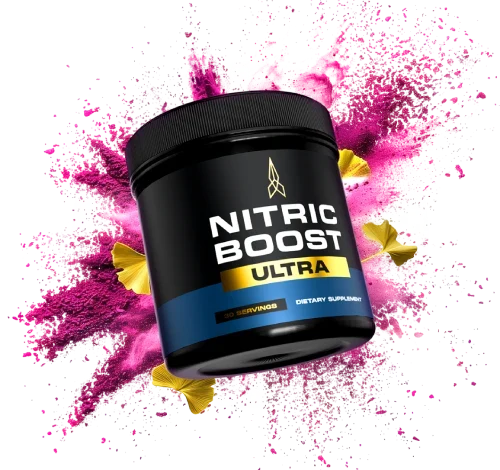
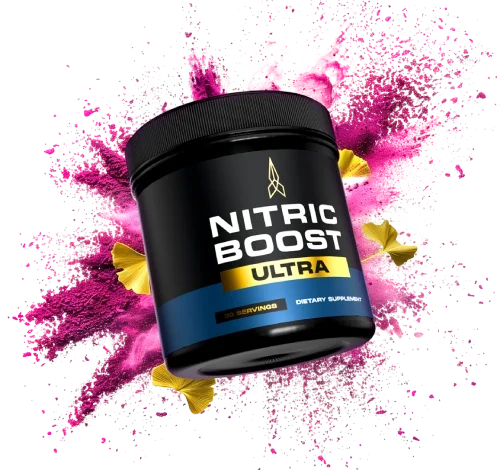
Supporting Your Body's Nitric Oxide Production with NitricBoost
While quitting smoking and adopting a healthy lifestyle are foundational for improving blood circulation, some individuals may benefit from targeted nutritional support to help their bodies naturally boost Nitric Oxide production. This is where a carefully formulated supplement like NitricBoost can play a supportive role.
NitricBoost is designed with a blend of natural ingredients known for their ability to enhance the body's NO pathways. It aims to provide the raw materials and cofactors necessary for healthy endothelial function, helping to relax blood vessels and promote optimal blood flow. For those recovering from the effects of smoking or simply seeking to maintain robust cardiovascular health, supporting your body's NO levels can be a game-changer.
The philosophy behind NitricBoost is not to replace healthy habits but to augment them. By providing a concentrated source of NO-boosting compounds, it can help the body overcome deficiencies and accelerate the process of restoring healthy circulation. This can be particularly beneficial during the challenging transition period after quitting smoking, when your body is actively working to repair years of damage.
Imagine experiencing improved energy, reduced numbness or tingling, and a general feeling of vitality as your blood vessels regain their flexibility and efficiency. NitricBoost strives to contribute to these outcomes by supporting the very mechanism—Nitric Oxide production—that is so critical for a healthy circulatory system. To delve deeper into what users are saying, you can read a comprehensive nitricboost-review-2026.html.
Key Ingredients in NitricBoost for Enhanced Circulation
NitricBoost leverages a synergistic blend of natural ingredients, each selected for its scientifically recognized role in supporting Nitric Oxide production and promoting healthy blood circulation.
L-Citrulline
L-Citrulline is a powerful amino acid that plays a crucial role in the Nitric Oxide pathway. Once ingested, L-Citrulline is converted into L-Arginine in the kidneys, which is then used by endothelial nitric oxide synthase (eNOS) to produce NO. It's often preferred over L-Arginine as a supplement because it has better bioavailability and can sustain NO levels for longer periods.
L-Arginine
L-Arginine is the direct precursor to Nitric Oxide. It's an amino acid that the body uses to create NO via the enzyme eNOS. While L-Citrulline converts to L-Arginine, supplementing with L-Arginine directly provides the building block for immediate NO synthesis, supporting vasodilation and improved blood flow.
Beetroot Extract
Beetroot is a natural powerhouse of dietary nitrates. When consumed, these nitrates are converted by oral bacteria into nitrites, and then further into Nitric Oxide in the body. Beetroot extract effectively supports the nitrate-nitrite-NO pathway, offering a non-L-Arginine dependent route to boosting NO levels and enhancing cardiovascular performance.
Amla Fruit (Indian Gooseberry)
Amla, or Indian Gooseberry, is revered in Ayurvedic medicine for its potent antioxidant properties. It helps protect the delicate endothelial cells from oxidative stress, thereby preserving their ability to produce Nitric Oxide. Amla also supports healthy cholesterol levels and overall cardiovascular function, complementing the NO-boosting effects.
Pine Bark Extract
Pine Bark Extract (often standardized for proanthocyanidins) is another powerful antioxidant that supports endothelial health. It has been shown to enhance the activity of eNOS, the enzyme responsible for synthesizing NO, and also helps to reduce inflammation and improve microcirculation. This ingredient contributes to the overall integrity and flexibility of blood vessels.
Vitamin C
Vitamin C is a vital antioxidant and a cofactor in numerous enzymatic reactions, including those that support Nitric Oxide synthesis. It helps to protect NO from degradation by free radicals, ensuring its bioavailability. Furthermore, Vitamin C is crucial for collagen formation, which is essential for the structural integrity of blood vessel walls.
Ready to Experience the Benefits of Enhanced Circulation?
Don't let the lingering effects of smoking or simply age-related decline hold your circulation back. NitricBoost offers a natural, scientifically-backed approach to supporting your body's ability to produce Nitric Oxide, helping you reclaim vitality and promote overall cardiovascular wellness.
- ✓ Supports natural Nitric Oxide production
- ✓ Promotes healthy blood flow and circulation
- ✓ Formulated with potent, natural ingredients
- ✓ Aids in maintaining healthy blood pressure
- ✓ Manufactured in a GMP-certified facility in the USA


What Our Customers Are Saying
"After years of smoking, my circulation was terrible. I quit 6 months ago, and NitricBoost has been a fantastic addition to my recovery. My hands and feet are finally warm, and I have so much more energy!"
"I was skeptical, but the difference in my energy levels and overall feeling of well-being since taking NitricBoost is undeniable. My doctor even commented on my improved blood pressure readings. Highly recommend!"
"As a former smoker, I'm always looking for ways to support my heart health. NitricBoost fits the bill perfectly. I feel more vibrant, and my circulation feels healthier than it has in years. Great product!"
Frequently Asked Questions
How does smoking directly harm blood circulation?
+Smoking introduces thousands of toxic chemicals into your bloodstream, directly damaging the endothelium, the inner lining of your blood vessels. This damage impairs the production of Nitric Oxide, a crucial molecule that signals blood vessels to relax and widen, leading to vasoconstriction, increased blood pressure, and plaque buildup. Over time, this results in atherosclerosis, reducing blood flow to vital organs and extremities.
What is Nitric Oxide and why is it important for blood flow?
+Nitric Oxide (NO) is a vital signaling molecule produced naturally by your body, particularly in the endothelial cells of your blood vessels. Its primary role is vasodilation – it tells blood vessels to relax and expand, allowing blood to flow freely and efficiently. Adequate NO levels are essential for maintaining healthy blood pressure, delivering oxygen and nutrients throughout the body, and supporting overall cardiovascular function.
How quickly can blood circulation improve after quitting smoking?
+Improvements in blood circulation can begin almost immediately after your last cigarette. Within 20 minutes, your heart rate and blood pressure drop. Within 2-12 weeks, your circulation improves significantly, and lung function increases. Long-term benefits continue to accrue, with the risk of heart disease decreasing by 50% after just one year of quitting, and risks for stroke and peripheral artery disease also substantially reduced over time.
Are there natural ways to boost Nitric Oxide production?
+Yes, several natural approaches can help boost Nitric Oxide. These include regular physical exercise, consuming a diet rich in nitrates (found in leafy greens like spinach and arugula, and root vegetables like beets), and incorporating L-Arginine and L-Citrulline-rich foods (such as nuts, seeds, and watermelon). Certain supplements, like NitricBoost, are also formulated with these and other synergistic ingredients to support natural NO production.
Who can benefit from a supplement like NitricBoost?
+NitricBoost is designed for individuals looking to support their cardiovascular health, improve blood circulation, and naturally boost Nitric Oxide levels. This includes former smokers, those actively working towards smoking cessation, individuals experiencing symptoms of poor circulation, or anyone seeking to maintain optimal heart and vascular health. It's important to consult with a healthcare professional before starting any new supplement regimen.
What is the recommended dosage for NitricBoost and how should it be taken?
+The recommended dosage for NitricBoost is typically two capsules daily, preferably with a meal and a glass of water. For best results, it's advised to take it consistently as part of a healthy lifestyle. Always adhere to the instructions on the product label and consult your physician for personalized advice, especially if you have pre-existing medical conditions or are taking other medications.
Related Articles