Are you experiencing discomfort, numbness, or swelling in your legs and feet due to poor circulation?
Poor blood circulation is a common health concern that can significantly impact your quality of life, often manifesting as cold feet, tingling sensations, swelling, or even painful cramping. It’s a sign that your body isn't efficiently delivering oxygen and nutrients to your extremities, and it's crucial to address it promptly to prevent more serious health issues down the line. Many individuals dismiss these symptoms as mere signs of aging or fatigue, but they are vital indicators that your circulatory system needs attention. Ignoring these signals can lead to chronic discomfort, reduced mobility, and potentially more severe cardiovascular problems.
While various factors can contribute to compromised blood flow, a key underlying mechanism is often related to insufficient Nitric Oxide production, a vital molecule for maintaining healthy blood vessel dilation and flexibility. Nitric Oxide (NO) plays a pivotal role in keeping your arteries and veins relaxed and open, allowing blood to flow smoothly and efficiently throughout your body. When NO levels are low, blood vessels can constrict, leading to impaired circulation, particularly in the peripheral areas like your legs and feet. Understanding this connection is the first step towards finding effective, natural solutions that support your body's innate ability to maintain optimal blood flow.

Understanding Poor Blood Circulation: Symptoms and Causes
Poor blood circulation, also known as peripheral artery disease (PAD) when it affects the arteries outside of the heart and brain, is a condition where blood flow to your extremities, particularly the legs and feet, is restricted. This restriction means that your tissues aren't receiving enough oxygen and vital nutrients, leading to a cascade of uncomfortable and potentially serious health issues. Recognizing the signs early is crucial for effective management and prevention of complications.
Common Symptoms You Shouldn't Ignore:
The symptoms of poor circulation can range from mild discomfort to severe pain, and they often worsen over time if left unaddressed. Key indicators include:
- Cold hands and feet: One of the most common signs, indicating reduced blood flow to the extremities.
- Numbness or tingling: A sensation often described as "pins and needles" in the legs, feet, or arms.
- Swelling in the legs, ankles, and feet: This can be a sign of fluid retention due to inefficient circulation, where blood struggles to return to the heart.
- Muscle cramping or pain (claudication): Especially noticeable during walking or exercise, this pain typically subsides with rest. It occurs because muscles aren't getting enough oxygen during activity.
- Skin discoloration: Your skin may appear pale, bluish (cyanosis), or even reddish-brown, particularly in the affected areas.
- Slow-healing sores or wounds: Reduced blood flow impairs the body's ability to repair tissue, making even minor cuts or scrapes prone to infection and delayed healing.
- Weak or absent pulses: A healthcare professional may find it difficult to detect a pulse in your feet or legs.
- Hair loss on legs or shiny skin: These can be subtle but significant indicators of chronic poor circulation.
- Fatigue: A general sense of tiredness, as your body struggles to perform basic functions without adequate oxygenation.
Underlying Causes of Compromised Blood Flow:
Poor circulation isn't a disease in itself but rather a symptom of an underlying health condition. Several factors can contribute to its development:
- Atherosclerosis: This is the most common cause, where arteries narrow and harden due to the buildup of plaque (fats, cholesterol, and other substances). This plaque restricts blood flow.
- Diabetes: High blood sugar levels can damage blood vessels and nerves over time, leading to reduced circulation, especially in the feet.
- Obesity: Excess weight puts additional strain on the heart and circulatory system, increasing the risk of high blood pressure and cholesterol.
- Smoking: Nicotine constricts blood vessels and damages their walls, significantly impeding blood flow and increasing the risk of blood clots.
- Lack of physical activity: A sedentary lifestyle weakens the heart and reduces the efficiency of blood pumping throughout the body.
- High blood pressure (Hypertension): Chronic high pressure can damage artery walls, making them less elastic and more prone to plaque buildup.
- High cholesterol: Elevated levels of LDL ("bad") cholesterol contribute directly to plaque formation in the arteries.
- Age: As we age, our blood vessels naturally lose some of their elasticity, and the risk of plaque buildup increases.
- Raynaud's disease: A condition where smaller arteries that supply blood to the skin narrow, limiting blood circulation to affected areas, usually the fingers and toes.
- Deep Vein Thrombosis (DVT): A blood clot in a deep vein, usually in the leg, which can block blood flow.
Understanding these causes is the first step toward effective management. Many of these factors are interconnected and often influenced by lifestyle choices. Addressing them holistically offers the best pathway to improving your circulatory health.
💡 Key Takeaway
Poor blood circulation is more than just cold feet; it's a critical sign of underlying cardiovascular issues, often linked to reduced Nitric Oxide. Recognizing symptoms like numbness, swelling, or cramping and addressing root causes through lifestyle changes and targeted support is vital for long-term health.
The Crucial Role of Nitric Oxide in Healthy Circulation
While many factors contribute to poor circulation, one of the most significant and often overlooked culprits is a decline in the body's natural production of Nitric Oxide (NO). This tiny molecule is a powerhouse when it comes to cardiovascular health, acting as a critical signaling molecule that impacts virtually every aspect of blood flow.
Nitric Oxide is a gas produced by the endothelial cells that line your blood vessels. Its primary function is to signal the smooth muscles surrounding these vessels to relax. When these muscles relax, the blood vessels widen, a process known as vasodilation. This vasodilation is essential for:
- Optimizing Blood Flow: Wider vessels mean less resistance, allowing blood to flow more freely and efficiently to every part of your body, including your legs and feet.
- Delivering Oxygen and Nutrients: Enhanced blood flow ensures that your tissues and organs receive an adequate supply of oxygen and vital nutrients necessary for their proper function and repair.
- Removing Waste Products: Good circulation also facilitates the efficient removal of metabolic waste products, such as carbon dioxide and lactic acid, preventing their buildup and associated discomfort.
- Maintaining Blood Pressure: By regulating vessel dilation, Nitric Oxide plays a key role in maintaining healthy blood pressure levels.
- Preventing Plaque Buildup: Healthy NO levels help keep the inner lining of blood vessels smooth and less prone to the adhesion of cholesterol and other substances that lead to plaque formation.
The problem is that our body's ability to produce Nitric Oxide naturally declines with age. After the age of 40, NO production can decrease by as much as 50%, and certain lifestyle factors like a poor diet, lack of exercise, smoking, and chronic stress can accelerate this decline. When NO levels drop, blood vessels become stiffer and narrower, directly contributing to poor circulation, elevated blood pressure, and an increased risk of cardiovascular issues.
Therefore, a fundamental strategy for improving blood circulation, particularly in the legs and feet, involves supporting and enhancing your body's natural Nitric Oxide production. This can be achieved through various natural means, from dietary adjustments to specific nutritional support, all aimed at restoring optimal vascular function. For more in-depth information on how to naturally boost your body's Nitric Oxide levels, you might find our article on how to increase nitric oxide naturally particularly insightful.
Natural Strategies to Enhance Blood Flow in Legs and Feet
Reversing the effects of poor circulation and boosting your Nitric Oxide levels doesn't always require drastic measures. Many natural remedies and lifestyle adjustments can significantly improve your blood flow and overall cardiovascular health. Here are some of the most effective strategies:
Regular Physical Activity
Exercise is one of the most powerful natural remedies for improving circulation. When you move, your heart pumps blood more efficiently, and your muscles contract, helping to push blood through your veins back to your heart. Activities like walking, jogging, swimming, cycling, or even simple leg stretches can make a significant difference. Aim for at least 30 minutes of moderate-intensity exercise most days of the week. This not only strengthens your cardiovascular system but also encourages the production of Nitric Oxide.
Maintain a Heart-Healthy Diet
What you eat directly impacts your circulatory health. Focus on a diet rich in fruits, vegetables, whole grains, lean proteins, and healthy fats. Foods particularly beneficial for circulation and Nitric Oxide production include leafy greens (spinach, kale), beets, garlic, citrus fruits, berries, and nuts. These foods are packed with nitrates, antioxidants, and compounds that support endothelial function and protect blood vessels from damage. Avoid processed foods, excessive sodium, and saturated/trans fats, which can contribute to plaque buildup and inflammation.
Stay Adequately Hydrated
Water is essential for maintaining blood volume and viscosity. When you're dehydrated, your blood can thicken, making it harder for your heart to pump and for blood to flow smoothly through your vessels. Aim to drink plenty of water throughout the day – typically 8 glasses or more, depending on your activity level and climate. Proper hydration ensures your blood remains at an optimal consistency, facilitating efficient nutrient and oxygen transport.
Manage Stress Effectively
Chronic stress can have a detrimental impact on your circulatory system. When stressed, your body releases hormones like adrenaline and cortisol, which can constrict blood vessels and elevate blood pressure. Incorporate stress-reducing techniques into your daily routine, such as meditation, yoga, deep breathing exercises, spending time in nature, or engaging in hobbies you enjoy. Reducing stress helps maintain relaxed blood vessels and supports overall cardiovascular well-being.
Quit Smoking and Limit Alcohol
Smoking is one of the most damaging habits for your circulatory system. Nicotine constricts blood vessels, damages their inner lining, and increases the risk of blood clots. Quitting smoking is arguably the single most impactful step you can take to improve circulation and overall health. Excessive alcohol consumption can also negatively affect blood pressure and heart health. Moderation is key for both alcohol and caffeine intake.
Elevation and Compression
For individuals experiencing swelling or discomfort in their legs and feet, simple techniques like elevating your legs can help reduce fluid buildup and improve venous return to the heart. Compression stockings can also be beneficial by gently squeezing the legs, which supports blood flow and prevents blood from pooling in the lower extremities. Consult with a healthcare professional to determine if compression therapy is right for you and what level of compression is appropriate.
Herbal Support for Circulation
Certain herbs have been traditionally used to support circulation. Ginger is known for its warming properties and ability to improve blood flow. Cayenne pepper contains capsaicin, which can stimulate circulation. Ginkgo Biloba is often used to improve blood flow to the brain and extremities. While these herbs can be beneficial, it's important to consult with a doctor before incorporating them into your regimen, especially if you are on medication, as some can interact with blood thinners or other drugs.
Warm Baths and Massages
Applying warmth to your feet and legs, such as through a warm bath or foot soak, can help dilate blood vessels and temporarily improve blood flow. Gentle massage can also stimulate circulation and relieve muscle tension. While these offer temporary relief, they can be a comforting part of a broader strategy for managing symptoms of poor circulation.
Targeted Nutritional Support for Nitric Oxide Production
Beyond general lifestyle changes, specific nutrients and compounds can directly support your body's ability to produce and utilize Nitric Oxide. Incorporating these into your diet or through targeted supplementation can be a powerful way to enhance circulatory health, especially as NO production naturally declines with age.
L-Arginine & L-Citrulline
These amino acids are direct precursors to Nitric Oxide. L-Arginine is converted into NO in the body, while L-Citrulline is converted into L-Arginine, offering a more sustained increase in NO levels. They are crucial for maintaining endothelial function and promoting vasodilation.
Beetroot Extract
Beetroots are naturally rich in dietary nitrates, which the body converts into Nitric Oxide. Consuming beetroot or its extract can significantly boost NO levels, leading to improved blood flow, enhanced exercise performance, and better cardiovascular health.
Pine Bark Extract (Pycnogenol)
This powerful antioxidant extract has been shown to stimulate the enzyme that produces Nitric Oxide (eNOS) and protect NO from degradation. It supports arterial elasticity, reduces inflammation, and improves microcirculation throughout the body.
Grape Seed Extract
Rich in oligomeric proanthocyanidin complexes (OPCs), grape seed extract is a potent antioxidant that supports blood vessel integrity and elasticity. It helps protect blood vessels from oxidative damage and can enhance Nitric Oxide bioavailability, contributing to better circulation.
Vitamin K2
Vitamin K2 plays a vital role in directing calcium to the bones and away from the arteries, preventing arterial calcification and maintaining arterial flexibility. Healthy, flexible arteries are essential for optimal blood flow and Nitric Oxide function.
Vitamin D3
Often associated with bone health, Vitamin D3 also plays a crucial role in cardiovascular health. It supports endothelial function, helps regulate blood pressure, and may contribute to the maintenance of healthy Nitric Oxide levels, all of which are vital for good circulation.
Magnesium
This essential mineral is involved in over 300 biochemical reactions in the body, including those that support cardiovascular health. Magnesium helps relax blood vessels, regulate blood pressure, and contributes to proper muscle and nerve function, indirectly supporting healthy blood flow.
Folate (Vitamin B9)
Folate is crucial for various metabolic processes, including the production of red blood cells and the metabolism of homocysteine. Healthy folate levels help maintain blood vessel integrity and prevent damage that could impair circulation.
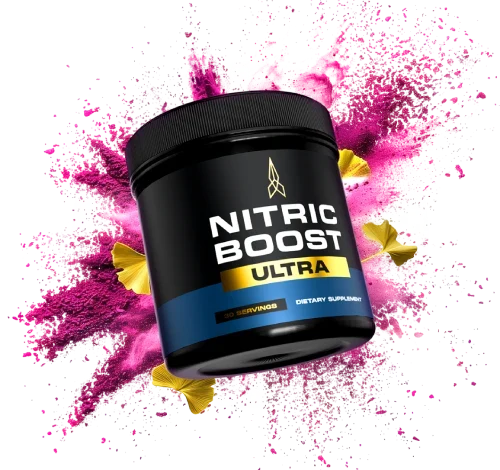
While these nutrients can be obtained through a balanced diet, achieving optimal levels, especially for those with existing circulatory challenges or declining NO production, can sometimes require targeted supplementation. This is where a high-quality, natural supplement designed to support Nitric Oxide synthesis can be particularly beneficial. For a detailed comparison of how NitricBoost stands out among other circulation supplements, you may want to read our article: NitricBoost vs. Other Circulation Supplements.
Ready to Naturally Support Healthy Blood Flow & Nitric Oxide Levels?
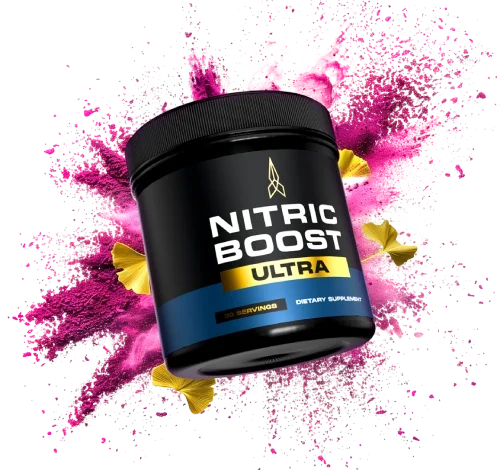
If you're seeking a comprehensive, natural solution to address poor blood circulation and boost your body's Nitric Oxide production, consider NitricBoost. Formulated with a blend of clinically studied ingredients known for their ability to enhance vascular health, NitricBoost offers a targeted approach to improving blood flow, reducing discomfort, and supporting overall cardiovascular well-being.
- ✓ Supports natural Nitric Oxide production
- ✓ Promotes healthy blood vessel dilation and flexibility
- ✓ Enhances circulation to legs, feet, and throughout the body
- ✓ Helps reduce discomfort associated with poor blood flow
- ✓ Made with natural, scientifically backed ingredients



Beyond Supplementation: Holistic Approach to Lasting Circulation Health
While targeted nutritional support like NitricBoost can provide a significant boost to your circulatory health, it's crucial to remember that it works best as part of a holistic approach. Sustainable improvement in blood flow and overall well-being comes from integrating various healthy practices into your daily life. No single solution can fully replace the cumulative benefits of a balanced lifestyle.
A truly effective strategy involves a combination of consistent physical activity, a nutrient-dense diet, adequate hydration, stress management, and avoiding harmful habits. Think of NitricBoost as an accelerator for these efforts, providing the specific building blocks your body needs to optimize Nitric Oxide production, which is a cornerstone of vascular health. However, it cannot counteract the effects of a completely sedentary lifestyle or a diet high in processed foods and unhealthy fats.
Regular check-ups with your healthcare provider are also paramount. They can help monitor your circulatory health, identify any underlying conditions contributing to poor blood flow, and provide personalized advice. If you are experiencing severe symptoms, sudden changes, or have concerns about a pre-existing condition, always consult your doctor. Natural remedies and supplements should complement, not replace, professional medical guidance.
By empowering yourself with knowledge and making informed choices, you can take proactive steps toward healthier legs, feet, and a more vibrant life. Improved circulation means more energy, less discomfort, and a reduced risk of serious cardiovascular complications. The journey to better health is a marathon, not a sprint, and consistency in your healthy habits will yield the most profound and lasting results. Explore our main site for more information on overall wellness and how NitricBoost fits into a healthy lifestyle at nitricboost-us-us.us.
What Our Customers Are Saying
"I've struggled with cold feet and tingling for years, especially in winter. Since starting NitricBoost a couple of months ago, I've noticed a remarkable difference. My feet feel warmer, and the tingling has significantly reduced. I feel more energetic too!"
"As someone who stands all day for work, my legs used to ache terribly by evening. A friend recommended NitricBoost, and I'm so glad I tried it. My leg comfort has improved, and I don't feel as heavy or swollen. It's made a real difference in my daily life."
"I was skeptical at first, but the science behind Nitric Oxide made sense. After incorporating NitricBoost into my routine, combined with more walking, I've seen a noticeable improvement in my overall circulation. My energy levels are up, and I feel generally healthier. Highly recommend!"
Frequently Asked Questions
What are the common symptoms of poor blood circulation in the legs and feet?
+Common symptoms include persistent coldness in the feet or toes, numbness or tingling sensations, swelling in the ankles and feet, muscle cramping (especially during exercise), skin discoloration (bluish or pale), slow-healing sores, and weakened pulse in the legs or feet. These symptoms often indicate that your extremities are not receiving adequate oxygen and nutrients.
How does Nitric Oxide specifically help with improving blood circulation?
+Nitric Oxide (NO) is a crucial molecule produced naturally by the body that acts as a potent vasodilator. It signals the smooth muscle cells surrounding blood vessels to relax, causing the vessels to widen. This widening, or vasodilation, allows blood to flow more freely, reducing resistance and ensuring better delivery of oxygen and nutrients to tissues, particularly in the extremities where circulation issues often arise.
Are natural remedies truly effective for improving blood flow in the long term?
+Yes, many natural remedies, when adopted consistently as part of a holistic lifestyle, can be highly effective in improving blood flow over the long term. This includes regular physical activity, a balanced diet rich in nitrates and antioxidants, maintaining proper hydration, stress management, and avoiding harmful habits like smoking. While results vary, these approaches support overall vascular health and can significantly mitigate symptoms of poor circulation.
How long does it typically take to see improvements from natural remedies for circulation?
+The timeline for seeing improvements can vary widely depending on the severity of your circulation issues, the consistency of your efforts, and your individual body response. Some people may notice subtle changes within a few weeks, such as reduced tingling or warmer extremities, while more significant improvements might take several months of dedicated adherence to lifestyle changes. Consistency is key for lasting benefits.
Can NitricBoost be used alongside other medications for circulatory health?
+NitricBoost is formulated with natural ingredients. However, if you are currently taking medications, especially those for blood pressure, heart conditions, or blood thinners, it is crucial to consult your healthcare provider before starting any new supplement, including NitricBoost. Your doctor can assess potential interactions and advise on the safest course of action for your specific health needs.
Where can I purchase NitricBoost, and what is your return policy?
+NitricBoost is exclusively available through its official website to ensure you receive an authentic product and the best possible pricing. You can find more information and place an order at nitricboost-us-us.us. We stand by our product with a 60-day, 100% money-back guarantee. If you're not completely satisfied, simply return the unused portion within 60 days for a full refund.
Related Articles