Are you experiencing fatigue, cold extremities, or reduced vitality?
Many individuals overlook the subtle signs of suboptimal blood circulation and declining Nitric Oxide (NO) levels, often attributing them to the natural aging process. However, these symptoms can significantly impact your quality of life, from your energy levels to your cardiovascular health.
Understanding the critical role of Nitric Oxide (NO) production in maintaining healthy blood flow is the first step towards reclaiming your vitality. This vital molecule acts as a powerful vasodilator, relaxing and widening your blood vessels to ensure oxygen and nutrient-rich blood reaches every cell in your body.
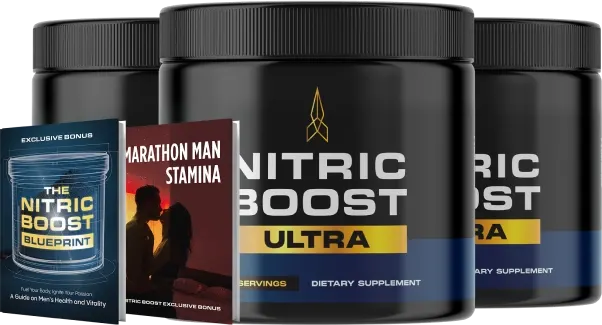
The Vital Role of Nitric Oxide in Your Body
Nitric Oxide (NO) is often hailed as the "miracle molecule" for its profound impact on cardiovascular health and overall well-being. Understanding its function is key to appreciating the benefits of boosting its levels naturally.
Produced by the endothelial cells lining your blood vessels, NO acts as a powerful signaling molecule. Its primary function is to trigger vasodilation, a process where blood vessels relax and widen. This relaxation allows blood to flow more freely, delivering vital oxygen and nutrients to every part of your body, from your brain to your fingertips and toes. Without adequate NO, blood vessels can constrict, leading to restricted blood flow, which manifests as various symptoms of poor circulation.
Beyond vasodilation, Nitric Oxide plays several other critical roles. It helps regulate blood pressure, keeping it within a healthy range. It also acts as an anti-inflammatory agent, protecting blood vessel walls from damage, and can even prevent blood platelets from becoming too sticky, thus reducing the risk of clot formation. Essentially, NO is a cornerstone of a healthy circulatory system, impacting everything from athletic performance and cognitive function to immune response and sexual health. As we age, our body's natural ability to produce NO diminishes, making it increasingly important to support its synthesis through diet and lifestyle.
💡 Key Takeaway
Nitric Oxide is a crucial molecule for blood vessel relaxation and optimal blood flow, essential for delivering oxygen and nutrients throughout the body and maintaining overall cardiovascular health. Declining NO levels can lead to poor circulation and various health issues.
Recognizing the Signs of Low Nitric Oxide & Poor Circulation
Before diving into solutions, it's important to identify if low Nitric Oxide or poor circulation might be affecting you. Many symptoms are often dismissed, but recognizing them is the first step towards improvement.
Persistent Fatigue & Low Energy
When blood flow is compromised, your cells don't receive enough oxygen and nutrients, leading to a constant feeling of tiredness regardless of how much you rest. This can make daily tasks feel overwhelming and reduce your overall vitality.
Cold Hands & Feet
Poor circulation often means that blood struggles to reach the extremities. This results in hands and feet that feel persistently cold, even in warm environments, and can sometimes be accompanied by numbness or tingling sensations.
Muscle Cramps & Weakness
Insufficient blood flow to muscles can cause them to cramp easily, especially during or after physical activity. You might also notice a general feeling of weakness or reduced endurance, as muscles are starved of essential resources.
Brain Fog & Reduced Focus
Your brain is a highly demanding organ, requiring a constant supply of oxygen-rich blood. When circulation to the brain is poor, it can lead to difficulties with concentration, memory issues, and a general feeling of mental fogginess.
Erectile Dysfunction (ED)
In men, healthy erections depend on robust blood flow to the penile tissues. Low Nitric Oxide levels can impair this process, making it difficult to achieve or maintain an erection, often being an early indicator of wider circulatory issues.
Elevated Blood Pressure
Nitric Oxide is crucial for relaxing blood vessels, which directly impacts blood pressure regulation. Chronically low NO levels can contribute to stiffening arteries and higher blood pressure, increasing cardiovascular risk over time.
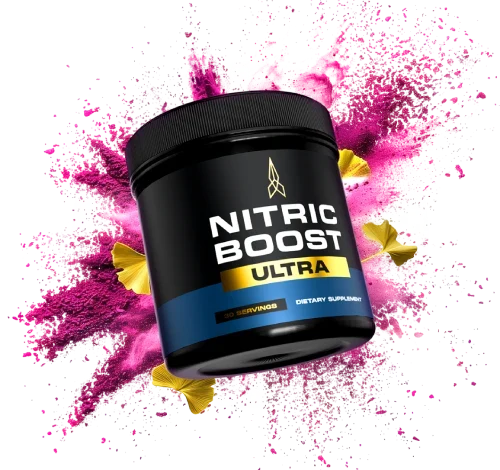
Dietary Strategies: Foods That Boost Nitric Oxide
One of the most effective and enjoyable ways to naturally increase your Nitric Oxide levels is through your diet. Certain foods are rich in compounds that your body uses to synthesize NO, or they help protect existing NO from degradation.
The cornerstone of an NO-boosting diet involves foods high in **nitrates**. When consumed, these dietary nitrates are converted into nitrites by bacteria in your mouth, and then further into Nitric Oxide in your stomach. The best sources include a variety of **leafy green vegetables** such as spinach, kale, arugula, and Swiss chard. These are not only packed with nitrates but also provide essential vitamins and minerals. **Beets** are another powerhouse, renowned for their exceptionally high nitrate content. Including beet juice or roasted beets in your diet can significantly impact NO levels. Other root vegetables like radishes and carrots also contribute.
Beyond nitrates, your body uses specific amino acids to produce NO. **L-arginine** is a direct precursor to Nitric Oxide, and foods rich in this amino acid include nuts (walnuts, peanuts, almonds), seeds (pumpkin, sesame), legumes, red meat, poultry, and fish. While L-arginine is vital, its absorption can sometimes be limited. This is where **L-citrulline** comes in. Found abundantly in watermelon, cucumbers, and dark chocolate, L-citrulline is converted into L-arginine in the kidneys, which then more efficiently produces NO. Supplementing with L-citrulline has been shown to raise L-arginine levels more effectively than supplementing with L-arginine alone.
Finally, **antioxidants** play a crucial role by protecting Nitric Oxide from being broken down by free radicals. Foods rich in Vitamin C and Vitamin E, such as citrus fruits, berries, bell peppers, broccoli, and avocados, help preserve NO, allowing it to function longer in your system. Incorporating a colorful array of fruits and vegetables ensures you're getting a broad spectrum of these protective compounds.
💡 Key Takeaway
A diet rich in nitrates (leafy greens, beets), L-arginine (nuts, meat), L-citrulline (watermelon), and antioxidants (berries, citrus) is fundamental for naturally enhancing and preserving Nitric Oxide levels, leading to improved blood flow.
Exercise & Lifestyle: Natural NO Boosters
While diet is foundational, physical activity and smart lifestyle choices are equally crucial in stimulating your body's natural Nitric Oxide production and maintaining healthy circulation.
Regular Physical Activity
Engaging in regular exercise is one of the most potent natural ways to boost NO. When you exercise, the increased blood flow and shear stress on your blood vessel walls stimulate the endothelial cells to release more Nitric Oxide. This process, known as exercise-induced vasodilation, not only improves blood flow during your workout but also enhances your body's capacity to produce NO over time. Aim for at least 150 minutes of moderate-intensity aerobic exercise or 75 minutes of vigorous-intensity exercise per week, combined with strength training.
Sunlight Exposure
Surprisingly, exposure to sunlight can also play a role. When UV light hits your skin, it causes nitrates stored in the skin to convert into Nitric Oxide, which is then released into the bloodstream. This mechanism is thought to contribute to the blood pressure-lowering effects observed with moderate sun exposure. Of course, always practice safe sun habits to avoid skin damage, but a few minutes of daily sun can be beneficial.
Prioritize Quality Sleep
Lack of sleep or poor sleep quality can negatively impact cardiovascular health and stress levels, both of which can indirectly impair NO production. During sleep, your body repairs and regenerates. Ensuring 7-9 hours of restful sleep per night helps regulate hormones, reduce inflammation, and supports overall endothelial function, which is critical for NO synthesis.
Stress Management
Chronic stress can lead to an increase in cortisol, a hormone that can have detrimental effects on blood vessel function and NO production. Incorporating stress-reducing practices into your daily routine, such as meditation, deep breathing exercises, yoga, or spending time in nature, can help mitigate these negative effects and support a healthy endothelium.
Avoid Smoking & Limit Alcohol
Smoking severely damages endothelial cells, directly impairing their ability to produce Nitric Oxide and leading to stiffening of the arteries. Excessive alcohol consumption can also have a negative impact on cardiovascular health and NO levels. Quitting smoking and moderating alcohol intake are two of the most impactful lifestyle changes you can make for your blood flow and overall health.
The Science Behind Nitric Oxide: How It Works
To truly appreciate Nitric Oxide, it helps to understand the sophisticated biological mechanisms through which it operates within your body. This tiny molecule wields immense power over your circulatory system.
At the core of NO's function is its ability to modulate the smooth muscle cells that line the walls of your arteries and veins. When your body needs increased blood flow to a certain area—whether it's your muscles during exercise, your brain during concentration, or your digestive system after a meal—the endothelial cells sense this demand. In response, an enzyme called **Nitric Oxide Synthase (NOS)** is activated. There are three main types of NOS: eNOS (endothelial), nNOS (neuronal), and iNOS (inducible). Endothelial NOS (eNOS) is primarily responsible for the continuous production of NO that maintains vascular tone.
Once produced, Nitric Oxide quickly diffuses into the adjacent smooth muscle cells. Here, it activates another enzyme called **guanylate cyclase**, which in turn increases the production of cyclic guanosine monophosphate (cGMP). cGMP is a crucial secondary messenger that signals the smooth muscle cells to relax. This relaxation causes the blood vessel walls to widen, or vasodilate, allowing blood to flow with less resistance. This process is essential for regulating blood pressure, ensuring efficient nutrient and oxygen delivery, and removing metabolic waste products.
The half-life of Nitric Oxide in the body is very short, typically just a few seconds, meaning it acts locally and precisely. This rapid degradation is why a continuous and efficient production of NO is vital for sustained cardiovascular health. Factors like aging, chronic stress, poor diet, and lack of exercise can all impair the function of NOS enzymes or increase the breakdown of NO, leading to a state of **endothelial dysfunction** and reduced NO availability. This reduction is a significant contributor to conditions like hypertension and atherosclerosis. By supporting the pathways that produce NO, either through diet, exercise, or targeted supplementation, we can help preserve endothelial health and promote optimal blood flow.
💡 Key Takeaway
Nitric Oxide is produced by endothelial cells via NOS enzymes, activating cGMP in smooth muscle cells to induce vasodilation. Its short half-life necessitates continuous production for healthy blood flow, which can be compromised by age and lifestyle factors.
Key Ingredients for Nitric Oxide Support
For those looking for an extra boost beyond diet and exercise, certain natural compounds have been extensively studied for their ability to support Nitric Oxide production. These are often found in high-quality supplements.
L-Arginine
Role: A semi-essential amino acid that serves as a direct precursor to Nitric Oxide. Your body converts L-arginine into NO via the enzyme Nitric Oxide Synthase (NOS). Adequate levels are crucial for maintaining healthy vasodilation and blood flow. It's involved in numerous bodily functions, including immune response and wound healing.
L-Citrulline
Role: An amino acid that is efficiently converted into L-arginine in the kidneys. Studies show that L-citrulline supplementation can raise plasma L-arginine levels more effectively and for longer durations than L-arginine itself. This makes it an excellent indirect booster of Nitric Oxide, supporting sustained vasodilation and exercise performance.
Beet Root Extract
Role: A natural source of dietary nitrates. When consumed, these nitrates are converted into Nitric Oxide in the body, independent of the L-arginine pathway. Beetroot extract is well-known for its ability to support healthy blood pressure, enhance athletic endurance, and improve overall cardiovascular function by directly increasing NO bioavailability.
Pine Bark Extract (Pycnogenol)
Role: A powerful antioxidant that supports endothelial function and helps preserve Nitric Oxide. It stimulates eNOS (endothelial Nitric Oxide Synthase) activity, leading to increased NO production. Pycnogenol also helps protect NO from oxidative stress, ensuring its longevity and effectiveness in promoting healthy blood flow and reducing inflammation.
Pomegranate Extract
Role: Rich in polyphenols and antioxidants, pomegranate extract helps protect Nitric Oxide from oxidative degradation and may also promote its synthesis. It supports overall cardiovascular health by improving endothelial function, reducing arterial plaque formation, and enhancing the body's natural ability to maintain healthy blood vessels.
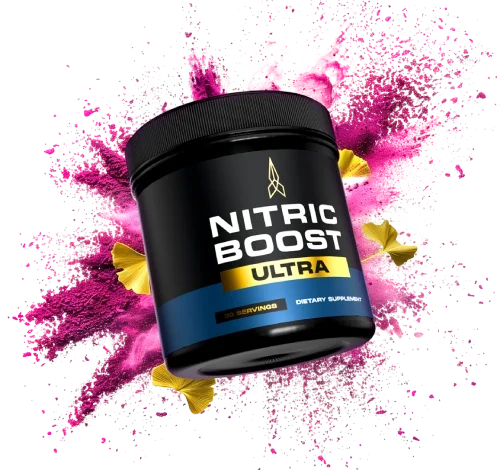
Experience Enhanced Blood Flow & Vitality with NitricBoost
While diet and exercise are cornerstones, sometimes your body needs targeted support to maintain optimal Nitric Oxide levels, especially as you age. NitricBoost is a premium, all-natural supplement designed to support healthy nitric oxide levels and optimize circulation, helping you feel more energized and vibrant.
- ✓ Supports Healthy Nitric Oxide Production
- ✓ Promotes Optimal Blood Flow & Circulation
- ✓ Boosts Energy & Reduces Fatigue
- ✓ Formulated with Scientifically-Backed Ingredients
- ✓ 100% Natural, Non-GMO, and Made in the USA



What Our Customers Are Saying
"I used to have cold feet all the time and felt sluggish by midday. After a few weeks with NitricBoost, I've noticed a significant improvement in my energy levels and my circulation. My feet are warmer, and I feel much more alert throughout the day. Highly recommend!"
"As someone who works out regularly, I'm always looking for ways to enhance my performance and recovery. NitricBoost has been a game-changer. My pumps are better, my endurance has improved, and I feel less fatigued after intense sessions. It's now a staple in my routine."
"I was skeptical at first, but the noticeable difference in my overall vitality and mental clarity is undeniable. I no longer feel that afternoon slump, and my focus at work has sharpened. It's great to find a natural product that actually delivers on its promises."
Frequently Asked Questions
What is Nitric Oxide (NO) and why is it important for blood flow?
+Nitric Oxide is a gas molecule naturally produced by your body that acts as a potent vasodilator. This means it relaxes the inner muscles of your blood vessels, causing them to widen. This widening, known as vasodilation, improves blood flow, allowing more oxygen and nutrients to reach your muscles, organs, and tissues, while also helping to remove waste products more efficiently. It's crucial for maintaining healthy blood pressure, cardiovascular function, and overall vitality.
What are common signs of low Nitric Oxide levels or poor circulation?
+Signs of low Nitric Oxide or poor circulation can be subtle at first but may include persistent fatigue, cold hands and feet, numbness or tingling in the limbs, muscle cramps, reduced exercise performance, difficulty concentrating, and even issues with erectile function in men. Over time, chronically low NO can contribute to more serious cardiovascular concerns, making early intervention important.
Which foods are best for naturally boosting Nitric Oxide?
+Foods rich in nitrates are excellent for boosting Nitric Oxide. These include leafy green vegetables like spinach, arugula, and kale, as well as root vegetables like beets and radishes. Additionally, foods containing L-arginine and L-citrulline, such as nuts, seeds, meat, fish, and watermelon, can support NO production. Antioxidant-rich foods like berries and citrus fruits also help protect NO from degradation.
How does exercise contribute to increasing Nitric Oxide levels?
+Regular physical activity, particularly aerobic exercise, stimulates the endothelial cells lining your blood vessels to produce more Nitric Oxide. This is a crucial mechanism by which exercise improves cardiovascular health. Consistent workouts enhance the efficiency of NO synthesis, leading to better vasodilation, improved blood flow, lower blood pressure, and increased oxygen delivery throughout the body.
Are there any lifestyle changes, besides diet and exercise, that can help?
+Absolutely. Managing stress effectively through practices like meditation, yoga, or deep breathing can help, as chronic stress can impair NO production. Ensuring adequate, quality sleep (7-9 hours per night) is also vital for overall cardiovascular health and hormone balance, which indirectly supports NO. Avoiding smoking and limiting excessive alcohol intake are also critical, as these habits directly damage endothelial cells and reduce NO availability.
When should I consider a Nitric Oxide boosting supplement like NitricBoost?
+While diet and exercise are foundational, a supplement can be beneficial when natural production declines with age, or if your dietary intake of NO-boosting nutrients is insufficient. A high-quality supplement, formulated with key precursors like L-arginine, L-citrulline, and beet root extract, can provide targeted support to help maintain optimal NO levels and blood flow. Always consult with a healthcare professional before starting any new supplement regimen.
Related Articles