Are You Drinking Enough Water for Your Heart?
In the intricate symphony of our body, few elements play a role as fundamental and far-reaching as water. It's not just about quenching thirst; it's about sustaining life, powering every cell, and crucially, ensuring the smooth operation of your cardiovascular system. Without adequate hydration, your blood, the very river of life, struggles to flow, impacting everything from energy levels to organ function.
This article, penned by Dr. Kevin Andrews, a leading Cardiovascular Health Researcher, delves deep into the often-underestimated connection between proper fluid intake, optimal blood volume, and efficient circulation. We'll explore how hydration directly influences your body's ability to produce nitric oxide, a critical molecule for healthy blood vessel function and overall circulatory wellness.

The Foundation: Water's Integral Role in Blood Volume
To truly appreciate the impact of hydration, we must first understand its fundamental role in creating and maintaining optimal blood volume. Your blood isn't just a red liquid; it's a complex mixture, approximately 55% of which is plasma. And what is plasma? Roughly 92% water.
This watery component of blood, the plasma, is the medium through which red blood cells, white blood cells, platelets, nutrients, hormones, and waste products are transported throughout your body. When you are adequately hydrated, your body maintains a healthy plasma volume, ensuring that your blood has the right consistency to flow freely and efficiently. Think of it like a well-lubricated engine; without enough oil, friction increases, and performance suffers.
Conversely, even mild dehydration can significantly reduce your total blood volume. When less water is available, plasma volume decreases, leading to a higher concentration of blood cells and other components. This makes your blood thicker, or more viscous. Imagine trying to pump thick syrup through narrow tubes instead of water. Your heart has to work much harder to push this more viscous blood through your circulatory system, increasing its workload and potentially straining the cardiovascular muscle over time. This increased workload can elevate heart rate and blood pressure, placing unnecessary stress on your heart and arteries.
Maintaining proper blood volume is critical for sustaining blood pressure within a healthy range. When blood volume drops due to dehydration, blood pressure can fall, leading to symptoms like dizziness, lightheadedness, and fatigue. Your body's natural response is to constrict blood vessels to try and maintain pressure, but this also further impedes smooth blood flow. Thus, consistent hydration is the bedrock upon which healthy blood volume, and by extension, healthy circulation, is built.
💡 Key Takeaway
Adequate hydration is crucial for maintaining optimal blood plasma volume, which directly influences blood viscosity and the ease with which your heart can pump blood. Dehydration reduces blood volume, making blood thicker and increasing cardiovascular strain, a primary factor in poor blood circulation.
From Blood Volume to Circulation: The Domino Effect
Once we establish that hydration directly impacts blood volume, the next logical step is to understand how this volume dictates the efficiency of your entire circulatory system. Your circulatory system is a complex network of blood vessels—arteries, veins, and capillaries—totaling an estimated 60,000 miles in an adult. For blood to navigate this vast network effectively, it needs to maintain consistent pressure and flow.
With optimal blood volume, your heart can pump blood with less effort, ensuring that every cell and tissue receives the oxygen and nutrients it needs. This efficient delivery system is vital for cellular metabolism, organ function, and overall vitality. When blood flows smoothly, waste products like carbon dioxide and metabolic byproducts are also efficiently carried away for elimination, preventing their accumulation and potential cellular damage.
However, when blood volume is reduced due to dehydration, the entire system begins to falter. The heart compensates by beating faster and harder, trying to maintain adequate blood pressure and oxygen supply to vital organs. This constant overexertion can lead to chronic fatigue and, in severe cases, contribute to cardiovascular issues. Moreover, reduced blood volume can cause peripheral blood vessels to constrict, particularly in extremities like hands and feet, resulting in commonly reported symptoms of poor blood circulation, such as coldness, tingling, or numbness.
The impact of compromised circulation extends beyond just discomfort. It can impair cognitive function, reduce physical performance, and even weaken the immune system. Every organ, from your brain to your muscles, relies on a steady, robust supply of oxygenated blood. Therefore, maintaining consistent hydration is not merely about comfort; it's a critical strategy for preventing and managing conditions associated with poor blood flow and supporting the long-term health of your entire cardiovascular system. For more insights into improving blood flow, you might find our article on circulation remedies that work highly informative.
Nitric Oxide: The Vasodilator Connection and Hydration's Role
While hydration directly affects blood volume and viscosity, its relationship with nitric oxide (NO) is more nuanced but equally vital. Nitric oxide is a gas molecule produced naturally by the body, renowned for its critical role as a vasodilator. This means it signals the smooth muscle cells surrounding your blood vessels to relax, causing the vessels to widen. This widening, or dilation, allows blood to flow more freely, reducing blood pressure and improving overall circulation.
Optimal nitric oxide production relies on a healthy cellular environment, which is profoundly influenced by hydration. Water is essential for countless biochemical reactions, including those involved in the synthesis of NO. Specifically, the enzyme nitric oxide synthase (NOS) requires adequate water to function efficiently. NOS converts the amino acid L-arginine into nitric oxide. If cells are dehydrated, their metabolic processes, including NO synthesis, can be impaired.
Furthermore, hydration helps maintain the integrity of the endothelial cells lining your blood vessels. These endothelial cells are primarily responsible for producing nitric oxide. When these cells are healthy and well-hydrated, they can generate NO more effectively. Dehydration, on the other hand, can contribute to endothelial dysfunction, making it harder for blood vessels to relax and impeding the beneficial effects of nitric oxide. This is a crucial link in understanding how a simple act like drinking enough water can have profound positive effects on your circulatory health.
By ensuring your cells and blood plasma are well-hydrated, you create an optimal environment for nitric oxide production and function, directly supporting healthy blood vessel elasticity and efficient blood flow. This synergy between hydration and nitric oxide is a cornerstone of robust cardiovascular wellness, helping to counteract the effects of poor blood circulation and low nitric oxide levels that can develop with age or lifestyle factors.
💡 Key Takeaway
Hydration indirectly supports nitric oxide production by maintaining a healthy cellular environment and optimal endothelial function. Nitric oxide is a potent vasodilator that relaxes blood vessels, crucial for improving blood flow and counteracting symptoms of poor circulation.
Beyond Thirst: The Myriad Benefits of Optimal Hydration for Circulation
Understanding the mechanics is one thing; appreciating the comprehensive benefits of consistent, proper hydration for your circulatory system is another. It’s a simple habit with profound implications for your overall health.
Enhanced Blood Flow and Nutrient Delivery
When blood volume is adequate and blood viscosity is optimal, blood flows more smoothly through arteries and capillaries. This ensures that oxygen and essential nutrients are efficiently delivered to every cell, tissue, and organ in your body. From brain function to muscle performance, every bodily process benefits from this improved delivery system.
Improved Waste Removal
Efficient circulation isn't just about bringing in the good stuff; it's also about taking out the bad. Well-hydrated blood effectively transports metabolic waste products, such as carbon dioxide and lactic acid, to the kidneys and liver for processing and excretion. This prevents the buildup of toxins that can impair cellular function and contribute to fatigue.
Reduced Cardiovascular Strain
When your blood is thin and flowing freely, your heart doesn't have to work as hard to pump it. This reduces the strain on the heart muscle, potentially lowering heart rate and supporting healthy blood pressure levels. Over the long term, this can significantly contribute to a healthier, more resilient cardiovascular system.
Better Thermoregulation
Water plays a crucial role in regulating body temperature. Through perspiration, your body releases heat, and this process requires sufficient fluid. Good circulation helps distribute heat evenly throughout the body, and proper hydration ensures you can effectively cool down without compromising blood volume, which would otherwise lead to circulatory stress.
Support for Healthy Blood Pressure
By maintaining optimal blood volume and promoting vasodilation through nitric oxide, proper hydration indirectly contributes to healthy blood pressure regulation. This is a critical factor in preventing conditions such as hypertension, which is a significant risk factor for heart disease and stroke.
Dehydration's Silent Threat to Your Circulatory System
While the benefits of hydration are clear, it's equally important to understand the insidious ways dehydration can undermine your cardiovascular health. Many people walk around in a state of chronic mild dehydration without even realizing it, attributing symptoms to stress or aging. However, the cumulative effect on your circulatory system can be significant.
When you're dehydrated, your body prioritizes blood flow to vital organs, often at the expense of extremities. This can lead to cold hands and feet, muscle cramps, and a general feeling of sluggishness. Your heart rate may increase as your heart works harder to compensate for reduced blood volume and increased blood viscosity. This constant strain can contribute to hypertension over time, as the arterial walls stiffen under persistent pressure.
Beyond the immediate physical symptoms, chronic dehydration can lead to more serious long-term consequences. Reduced blood flow means less oxygen and fewer nutrients reach your brain, potentially affecting cognitive function, memory, and concentration. It can also impair the body's ability to repair itself and fight off illness, as immune cells are less efficiently transported. Furthermore, prolonged dehydration can contribute to kidney strain, as these organs work harder to filter a more concentrated blood supply.
It's a vicious cycle: dehydration leads to poorer circulation, which in turn can exacerbate other health issues. Recognizing the early signs of dehydration – thirst, dry mouth, fatigue, infrequent urination, and dark urine – is crucial. By actively managing your fluid intake, you can protect your circulatory system and support overall well-being. Avoiding habits like smoking is also critical for circulatory health, as discussed in our detailed article on smoking cessation and circulation.
Practical Hydration Strategies for Optimal Health
Knowing the importance of hydration is one thing; integrating it effectively into your daily life is another. Here are practical strategies to ensure you're consistently well-hydrated for peak circulatory health:
Make Water Your Primary Beverage
While other fluids contribute, plain water remains the gold standard. Keep a reusable water bottle handy throughout the day and sip regularly, even when you don't feel intensely thirsty. Aim for at least 8-10 glasses (around 2-2.5 liters) daily, adjusting for activity level, climate, and individual needs.
Incorporate Water-Rich Foods
Many fruits and vegetables have high water content and provide essential electrolytes. Cucumbers, watermelon, strawberries, oranges, and leafy greens are excellent choices that contribute significantly to your daily fluid intake. These foods also offer vitamins and antioxidants that support overall cardiovascular health.
Hydrate Strategically Around Activities
Drink water before, during, and after exercise to replenish fluids lost through sweat. Start your day with a glass of water to rehydrate after sleep, and consider a glass before meals to aid digestion and potentially reduce overall food intake. Don't forget to hydrate steadily throughout the workday.
Monitor Your Urine Color
This is one of the simplest and most effective indicators of your hydration status. Pale yellow urine indicates good hydration, while dark yellow or amber urine suggests you need to drink more. Clear urine, however, might indicate overhydration, which can also be harmful, though less common.
Limit Dehydrating Beverages
While moderation is key, be mindful of excessive consumption of caffeine and alcohol. Both are diuretics, meaning they increase urine production and can lead to fluid loss. If you consume these, make sure to balance them with additional water intake.
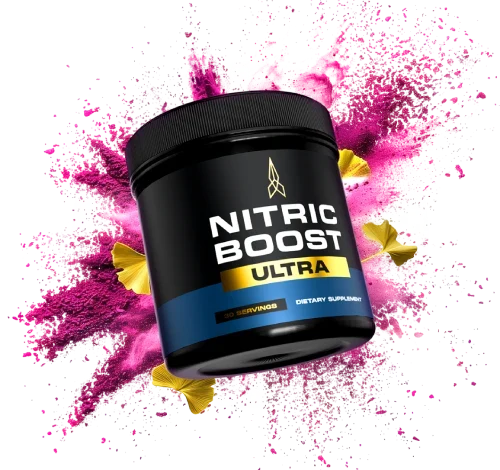
Supporting Your Circulation: The Role of NitricBoost's Key Ingredients
While consistent hydration is the cornerstone of healthy circulation, certain natural compounds can further enhance your body's ability to produce nitric oxide and support overall blood flow. NitricBoost is formulated with a blend of science-backed ingredients designed to complement your hydration efforts and promote robust cardiovascular health. Here are some of the key components:
L-Citrulline
Role: A powerful amino acid that the body converts into L-arginine, which is then used to produce nitric oxide. L-Citrulline is often more effective than L-arginine supplements directly because it bypasses liver metabolism, leading to higher plasma L-arginine levels and thus greater NO production. This promotes vasodilation and improves blood flow throughout the body, supporting nutrient and oxygen delivery to muscles and organs.
Beetroot Extract
Role: Rich in dietary nitrates, beetroot extract is a natural powerhouse for nitric oxide. When consumed, these nitrates are converted into nitric oxide in the body, helping to relax and widen blood vessels. This effect contributes to improved blood circulation, reduced blood pressure, and enhanced exercise performance, making it a cornerstone for cardiovascular support.
Pine Bark Extract (Pycnogenol)
Role: A potent antioxidant, pine bark extract is known for its ability to stimulate endothelial nitric oxide synthase (eNOS), the enzyme responsible for converting L-arginine into nitric oxide in endothelial cells. This boost in NO helps maintain healthy blood vessel elasticity and function, supporting optimal blood flow and reducing oxidative stress. For a deeper dive into its benefits, read our article on pine bark extract for circulation.
Vitamin C
Role: Beyond its immune-boosting properties, Vitamin C is crucial for maintaining the stability of nitric oxide and protecting it from oxidative degradation. It also plays a role in the synthesis of collagen, which is vital for the structural integrity of blood vessels. By preserving NO and supporting vessel health, Vitamin C contributes significantly to sustained circulatory efficiency.
Take the Next Step Towards Optimal Circulation with NitricBoost
While hydration is fundamental, certain natural compounds can further enhance your body's ability to produce nitric oxide, a key molecule for healthy blood flow. NitricBoost is formulated with science-backed ingredients to support this vital process, working in harmony with your body's natural mechanisms.
- Supports healthy blood flow and circulation
- Promotes natural nitric oxide production
- Enhances nutrient and oxygen delivery to cells
- Boosts energy, vitality, and physical performance
- Made with natural, high-quality, and clinically studied ingredients




Real People, Real Results: Stories of Improved Circulation
"I used to have cold hands and feet constantly, especially in winter. After focusing on my hydration and adding NitricBoost, I've noticed a significant improvement in my circulation. My extremities feel warmer, and I have more energy throughout the day. It's been a game-changer!"
"As someone in my late 50s, I've been increasingly concerned about my cardiovascular health. This article really clarified the importance of water. Combining better hydration with NitricBoost has made me feel more vibrant. My blood pressure readings are looking better, and my doctor is pleased with my progress."
"I'm an avid cyclist, and recovery is everything. Since I started paying closer attention to my hydration and using NitricBoost, I've felt a noticeable difference in my endurance and how quickly my muscles recover after long rides. My legs don't feel as heavy, which I attribute to better blood flow."
Frequently Asked Questions
How does dehydration impact blood circulation?
+Dehydration reduces total blood volume, making blood thicker and harder for the heart to pump. This leads to decreased blood pressure, reduced oxygen and nutrient delivery, and increased strain on the cardiovascular system. It can manifest as dizziness, fatigue, and impaired physical performance, hindering overall circulatory health.
What are the best ways to stay hydrated for cardiovascular health?
+Prioritize plain water throughout the day. Herbal teas, diluted fruit juices, and water-rich foods like fruits and vegetables also contribute to fluid intake. Monitor your urine color (pale yellow is ideal) and adjust intake based on activity level, climate, and individual needs. Avoid excessive sugary drinks or alcohol, which can lead to dehydration.
Can diet alone improve nitric oxide levels?
+While a diet rich in nitrates (from leafy greens and beets) and antioxidants (from colorful fruits and vegetables) can certainly support nitric oxide production, it might not be sufficient for individuals with existing circulatory challenges or age-related decline in NO synthesis. Supplements like NitricBoost can offer targeted support, complementing a healthy diet and lifestyle.
Who can benefit from supporting nitric oxide production?
+Individuals experiencing symptoms of poor circulation, such as cold hands and feet, fatigue, muscle cramps, or reduced exercise capacity, may benefit. Athletes looking to enhance performance, and those concerned about maintaining long-term cardiovascular health as they age, can also find support in optimizing nitric oxide levels.
How does NitricBoost fit into a healthy hydration strategy?
+NitricBoost is designed to complement a healthy lifestyle, including proper hydration. It provides key ingredients that support the body's natural nitric oxide production, which in turn helps relax blood vessels and improve blood flow. While it doesn't replace water intake, it enhances the circulatory system's efficiency, allowing well-hydrated blood to flow more freely and effectively throughout the body.
Is NitricBoost safe to take with other supplements?
+NitricBoost is formulated with natural ingredients generally recognized as safe. However, if you are currently taking other supplements, prescription medications, or have any underlying health conditions, it is always recommended to consult with a healthcare professional before adding any new supplement to your regimen. They can provide personalized advice based on your specific health profile.
Related Articles