Are you seeking natural ways to improve your circulation and boost vitality?
In the quest for optimal health, one molecule often overlooked plays a pivotal role in nearly every bodily function: nitric oxide (NO). This potent vasodilator is critical for maintaining healthy blood flow, ensuring that oxygen and nutrients reach every cell, tissue, and organ.
Unfortunately, as we age or due to various lifestyle factors, our body's natural production of nitric oxide can decline, leading to issues like poor blood circulation and reduced energy levels. The good news is that you have significant control over your NO levels through simple, yet powerful, dietary choices.
Understanding Nitric Oxide: The Body's Master Regulator of Blood Flow
Nitric oxide (NO) is more than just a gas; it's a signaling molecule produced by nearly every cell type in the human body. Its primary function, and the one most relevant to our discussion, is its role as a powerful vasodilator.
When your body produces enough nitric oxide, it signals the smooth muscle cells in your arteries to relax. This relaxation causes your blood vessels to widen, a process known as vasodilation. The result? Unrestricted, healthy blood flow throughout your entire circulatory system. This efficient circulation ensures that oxygen, vital nutrients, and hormones are delivered effectively to all organs, muscles, and tissues, while simultaneously facilitating the removal of metabolic waste products.
Optimal nitric oxide levels are associated with a myriad of health benefits, including maintaining healthy blood pressure, supporting cardiovascular health, enhancing athletic performance, improving cognitive function, and even bolstering immune responses. It's truly a foundational element of overall well-being. However, several factors can contribute to poor blood circulation, often linked to a decline in NO production.
💡 Key Takeaway
Nitric oxide is a critical molecule for vasodilation, ensuring healthy blood flow, nutrient delivery, and waste removal. Maintaining optimal NO levels is essential for cardiovascular health, energy, and overall vitality.
The Consequences of Low Nitric Oxide and Poor Circulation
When nitric oxide production declines, the intricate balance of your circulatory system can be disrupted. This reduction leads to less effective vasodilation, meaning your blood vessels may become narrower and less flexible. This condition, often referred to as low nitric oxide or endothelial dysfunction, can manifest in a variety of noticeable symptoms and contribute to more serious long-term health concerns.
Reduced Energy and Fatigue
With diminished blood flow, your cells receive less oxygen and fewer nutrients, impacting their ability to produce energy. This can lead to persistent feelings of tiredness, sluggishness, and reduced stamina throughout the day, making even simple tasks feel exhausting.
Cold Hands and Feet
Poor circulation often results in extremities that feel unusually cold, even in moderate temperatures. This is because blood flow struggles to reach the furthest parts of your body, depriving them of the warmth carried by healthy circulation.
Impaired Cognitive Function
Your brain is highly dependent on a constant, robust supply of oxygen and glucose. Low NO levels can restrict blood flow to the brain, potentially leading to brain fog, difficulty concentrating, memory issues, and a general decline in mental sharpness.
Slower Healing and Recovery
Effective blood flow is crucial for transporting immune cells, growth factors, and nutrients to sites of injury or infection. When circulation is compromised, wounds may take longer to heal, and your body's overall recovery process can be significantly slowed.
Muscle Weakness and Cramping
Muscles require ample oxygen and nutrient supply to function optimally. When circulation is poor, muscles can feel weak, tire quickly, and be more prone to painful cramping, especially during physical activity or even at rest.
Erectile Dysfunction (ED)
For men, healthy nitric oxide levels are essential for achieving and maintaining erections, as NO plays a key role in relaxing the smooth muscles of the penis, allowing blood flow into the erectile tissues. Low NO can significantly contribute to ED.
Recognizing these signs is the first step. The good news is that many of these issues can be addressed and improved by actively working to boost your body's natural nitric oxide production, primarily through dietary interventions and lifestyle adjustments.
The Dietary Approach: How Foods Boost Nitric Oxide
Your kitchen holds powerful tools for enhancing your body's nitric oxide production. Certain foods contain compounds that either directly serve as precursors to NO or act as cofactors and antioxidants that support the enzymes involved in NO synthesis. By incorporating these foods into your daily diet, you can naturally optimize your NO levels and promote robust cardiovascular health.
There are two primary pathways through which diet influences nitric oxide: the nitrate-nitrite-NO pathway and the L-arginine-NO synthase pathway. Understanding both helps in making informed food choices.
The nitrate-nitrite-NO pathway involves dietary nitrates, primarily found in vegetables. When consumed, these nitrates are converted into nitrites by bacteria in your mouth, and then further converted into nitric oxide in your stomach and bloodstream. This pathway is particularly efficient and less dependent on the availability of the enzyme NO synthase, which can decline with age.
The L-arginine-NO synthase pathway uses the amino acid L-arginine as a substrate, which is then converted into nitric oxide by an enzyme called nitric oxide synthase (NOS). While L-arginine is crucial, its direct supplementation can be less effective than L-citrulline because L-arginine is extensively metabolized in the gut and liver, reducing its bioavailability. This is why many effective supplements, like those discussed in our review of L-citrulline supplements for blood flow, often focus on L-citrulline, which converts to L-arginine more efficiently in the body.
Top Foods to Naturally Boost Your Nitric Oxide Levels
Let's delve into the specific foods that can supercharge your body's nitric oxide production, categorized by their primary active compounds.
Nitrate-Rich Vegetables
These are the champions of the nitrate-nitrite-NO pathway. When consumed, beneficial bacteria in your mouth convert dietary nitrates into nitrites, which are then further reduced to nitric oxide in your body. This process bypasses the declining efficiency of the NOS enzyme, making these foods incredibly effective.
- Beets and Beetroot Juice: Unquestionably the king of nitrate-rich foods, beets can significantly increase NO levels, leading to improved athletic performance and lower blood pressure.
- Leafy Green Vegetables: Spinach, arugula, kale, Swiss chard, and lettuce are packed with nitrates. Arugula, in particular, boasts one of the highest nitrate contents.
- Celery: Another excellent source of dietary nitrates, celery also provides a good dose of antioxidants and fiber.
Foods Rich in L-Arginine and L-Citrulline
These amino acids are direct precursors to nitric oxide via the L-arginine-NO synthase pathway. L-citrulline is particularly notable because it's converted into L-arginine in the kidneys, which then efficiently fuels NO production, often more effectively than L-arginine itself.
- Watermelon: An outstanding source of L-citrulline, watermelon is a refreshing and delicious way to boost NO.
- Nuts and Seeds: Walnuts, almonds, peanuts, and pumpkin seeds contain L-arginine, along with healthy fats and other beneficial nutrients.
- Red Meat, Poultry, and Fish: These animal proteins are good sources of L-arginine. However, it's important to choose lean options and consume them in moderation for overall health.
Antioxidant-Rich Foods
Antioxidants play a crucial supporting role by protecting nitric oxide from degradation by free radicals. This ensures that the NO your body produces remains active for longer, maximizing its benefits for circulation and overall health.
- Citrus Fruits: Oranges, grapefruits, and lemons are high in Vitamin C, a powerful antioxidant that protects NO and enhances its bioavailability.
- Berries: Blueberries, strawberries, raspberries, and blackberries are loaded with various antioxidants, including anthocyanins, which support vascular health.
- Garlic: Contains allicin, a compound that stimulates nitric oxide synthase (NOS) activity and helps protect NO from oxidative damage.
- Dark Chocolate: High in flavanols, dark chocolate can improve endothelial function and stimulate NO production. Look for varieties with at least 70% cocoa content.
Foods with Essential Cofactors
Certain vitamins and minerals act as cofactors, assisting the enzymes involved in nitric oxide synthesis and stability. Without these, even abundant precursors might not be fully utilized.
- Pomegranates: Rich in polyphenols and nitrates, pomegranates have been shown to enhance NO production and protect it from oxidative stress.
- Ginger: Known for its anti-inflammatory and antioxidant properties, ginger can support healthy blood vessel function and indirectly aid NO stability.
- Spinach and Avocado (Folate): Folate (Vitamin B9) is essential for endothelial health and can support the proper functioning of the NO pathway.
Beyond Diet: Lifestyle Factors for Optimal Nitric Oxide
While diet is a cornerstone of boosting nitric oxide, it's part of a larger ecosystem of health. Several lifestyle choices significantly impact your body's ability to produce and utilize this vital molecule. Combining these habits with your NO-boosting diet creates a synergistic effect, amplifying your results and promoting holistic well-being.
Regular Physical Activity: Exercise is one of the most potent natural stimulants for nitric oxide production. When you engage in physical activity, your blood vessels experience increased shear stress from blood flow, which signals the endothelial cells to produce more NO. Both aerobic exercises (like running, swimming, cycling) and resistance training contribute to endothelial health and improved NO levels. Aim for at least 30 minutes of moderate-intensity exercise most days of the week.
Sunlight Exposure: Believe it or not, sunlight plays a role! When your skin is exposed to sunlight, it releases nitrates stored in the skin, which can then be converted into nitric oxide. Moderate sun exposure, while being mindful of skin protection, can contribute to healthy NO levels and blood pressure regulation.
Oral Hygiene: The beneficial bacteria in your mouth are crucial for converting dietary nitrates into nitrites, the first step in the nitrate-nitrite-NO pathway. Overuse of antiseptic mouthwashes can kill off these helpful bacteria, disrupting this essential conversion. Opt for gentler oral hygiene practices that don't sterilize your mouth's microbiome.
Stress Management: Chronic stress can elevate cortisol levels and contribute to oxidative stress, both of which can impair nitric oxide production and function. Incorporating stress-reducing practices like meditation, yoga, deep breathing exercises, or spending time in nature can help preserve NO levels and support overall cardiovascular health.
Adequate Sleep: Sleep is a time for repair and regeneration throughout the body. Insufficient or poor-quality sleep can negatively impact endothelial function and reduce NO bioavailability. Prioritize 7-9 hours of quality sleep per night to support your body's natural processes, including nitric oxide synthesis.
Stay Hydrated: Water is essential for every bodily function, including blood circulation and nutrient transport. Proper hydration ensures your blood maintains optimal viscosity and can flow freely, supporting the delivery of NO and other vital compounds throughout your system.
By integrating these lifestyle habits with a diet rich in NO-boosting foods, you create a powerful strategy for enhancing your circulation, boosting energy, and supporting long-term cardiovascular health. For those looking for an additional edge, considering a targeted vasodilator supplement for heart health can be a beneficial step, but always consult your doctor.
Ready to Take Your Nitric Oxide Levels to the Next Level?
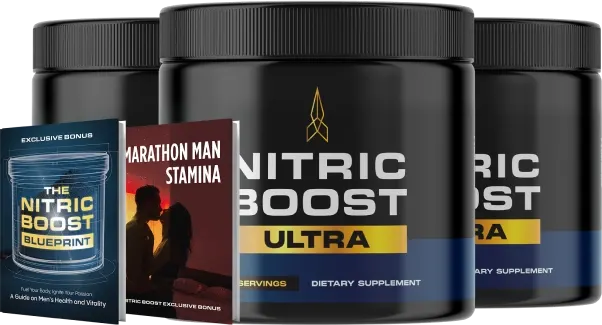
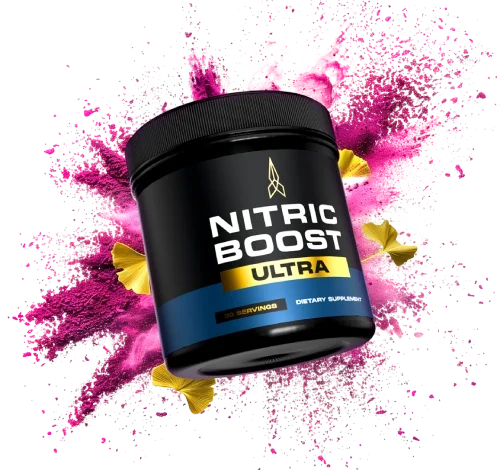
While diet and lifestyle are powerful, sometimes your body needs an extra boost to truly optimize nitric oxide production, especially as you age or face specific health challenges. NitricBoost is a premium, all-natural supplement designed to provide comprehensive support for healthy blood circulation and cardiovascular wellness.
- ✓ Supports Healthy Blood Pressure Already in Normal Range
- ✓ Enhances Energy and Stamina
- ✓ Promotes Optimal Nutrient and Oxygen Delivery
- ✓ Features Clinically Studied Ingredients like L-Citrulline
- ✓ Made in the USA with GMP Certified Standards



What Our Customers Are Saying
"I've struggled with cold hands and feet for years. After incorporating more NO-boosting foods and adding NitricBoost, I've noticed a significant improvement in my circulation and overall warmth. My energy levels are also much higher!"
"As an athlete, optimal blood flow is non-negotiable. NitricBoost, combined with my nitrate-rich diet, has given me an edge in endurance and recovery. I feel stronger and recover faster after intense workouts. Highly recommend!"
"My doctor recommended focusing on nitric oxide for my blood pressure. Changing my diet was a start, but NitricBoost made a noticeable difference. I feel more vibrant, and my numbers are looking great. It's truly a game-changer."
Frequently Asked Questions
What is nitric oxide and why is it important for my health?
+Nitric oxide (NO) is a vital molecule produced naturally by your body, playing a crucial role in vasodilation – the relaxation and widening of blood vessels. This process is essential for maintaining healthy blood flow, regulating blood pressure, and ensuring oxygen and nutrient delivery to every cell and organ. Low NO levels can lead to poor circulation, fatigue, and other cardiovascular issues.
Which foods are best for naturally increasing nitric oxide?
+Foods rich in nitrates, L-arginine, and L-citrulline are particularly effective. Top sources include leafy green vegetables (spinach, kale, arugula), beets, garlic, dark chocolate, citrus fruits, and nuts and seeds. These foods provide the precursors or cofactors your body needs to synthesize more nitric oxide.
How quickly can I expect to see results from a nitric oxide-boosting diet?
+While individual results vary, many people report feeling improvements in energy and circulation within a few weeks of consistently incorporating NO-boosting foods into their diet. The long-term benefits, such as sustained cardiovascular health, develop over months of maintaining a nutrient-rich eating plan.
Are there any lifestyle factors that affect nitric oxide production?
+Absolutely. Besides diet, regular physical activity is a powerful stimulus for NO production. Avoiding smoking, managing stress, getting adequate sleep, and maintaining a healthy weight also significantly contribute to optimal nitric oxide levels and overall cardiovascular well-being.
Can supplements help if my diet isn't enough to boost nitric oxide?
+Yes, for some individuals, dietary changes alone might not be sufficient to achieve optimal nitric oxide levels, especially if they have existing circulation challenges. Supplements containing L-citrulline, L-arginine, or beet root extract can be effective in supporting NO production. Always consult with a healthcare professional before starting any new supplement regimen.
Is NitricBoost a natural way to support nitric oxide levels?
+NitricBoost is formulated with a blend of natural ingredients known to support the body's nitric oxide production pathways, such as L-citrulline and beet root extract. It's designed to complement a healthy lifestyle by providing targeted nutritional support for improved blood circulation and cardiovascular health, offering a convenient option alongside a balanced diet.
Related Articles