Struggling with Poor Circulation? Unlock the Power of Essential Vitamins!
Do you often experience cold hands and feet, unexplained fatigue, or numbness in your extremities? These could be telltale signs of poor blood circulation, a condition that impacts millions and can significantly affect your overall health and quality of life. Healthy blood flow is paramount, delivering oxygen and nutrients to every cell while removing waste products.
Optimizing your circulation isn't just about avoiding discomfort; it's about safeguarding your most vital organ—your heart. A robust cardiovascular system relies heavily on a delicate balance of nutrients, and deficiencies can lead to serious health challenges. Understanding the critical role of vitamins and minerals in enhancing blood flow is the first step towards a healthier, more energetic you.

The Foundation of Life: Why Healthy Blood Circulation Matters
Blood circulation is more than just blood moving through your veins; it's the lifeblood of your entire body, a complex network responsible for sustaining every organ and cell. Every beat of your heart propels blood through an intricate system of arteries, veins, and capillaries, performing functions critical for survival and well-being.
This constant flow ensures that vital resources reach their destination. Oxygen, absorbed by the lungs, is carried by red blood cells to every tissue, fueling cellular respiration and energy production. Essential nutrients—vitamins, minerals, proteins, carbohydrates, and fats—from your diet are distributed throughout your body, supporting growth, repair, and metabolic processes. Without adequate circulation, cells become starved, leading to dysfunction and damage.
Beyond delivery, blood circulation is equally important for waste removal. It carries metabolic byproducts, such as carbon dioxide and lactic acid, away from tissues to organs like the kidneys and liver for detoxification and excretion. This continuous cleansing process prevents the accumulation of harmful substances that can impair organ function and lead to inflammation.
When circulation is compromised, a cascade of issues can arise. Symptoms often include cold hands and feet, numbness, tingling sensations, fatigue, muscle cramps, and even cognitive impairment. Long-term poor circulation can contribute to more serious conditions like heart disease, stroke, peripheral artery disease, and impaired wound healing. Therefore, maintaining robust blood flow is not merely about comfort but about preserving your overall health and vitality. For more insights on improving your circulation naturally, explore our article on how to improve circulation naturally.
The Nitric Oxide Connection: Your Body's Natural Vasodilator
At the heart of healthy blood circulation lies a tiny yet powerful molecule: Nitric Oxide (NO). Often referred to as the "miracle molecule" or "endothelium-derived relaxing factor," NO plays an indispensable role in maintaining vascular health and optimal blood flow.
Nitric Oxide is produced by the endothelial cells lining your blood vessels. Its primary function is to signal these smooth muscle cells in the vessel walls to relax, leading to vasodilation—the widening of arteries and veins. This relaxation reduces resistance to blood flow, allowing blood to move more freely and efficiently throughout the body. Imagine a garden hose; when it's kinked, water flow is restricted, but when it's open wide, water flows powerfully. Nitric Oxide acts as the unkinker for your blood vessels.
The benefits of optimal Nitric Oxide levels are profound:
- Improved Blood Pressure: By relaxing blood vessels, NO helps to lower resistance, thereby contributing to healthy blood pressure levels.
- Enhanced Nutrient and Oxygen Delivery: Wider vessels mean more efficient transport of oxygen and essential nutrients to every cell, organ, and muscle. This is crucial for energy production, organ function, and muscle recovery.
- Reduced Risk of Plaque Buildup: NO helps keep blood vessel walls smooth and flexible, reducing the likelihood of sticky platelets and cholesterol adhering to them, which can lead to atherosclerosis.
- Support for Erectile Function: NO is a key mediator in the physiological process of erections, as it relaxes smooth muscles in the penis, allowing for increased blood flow.
- Boosted Athletic Performance: Enhanced blood flow to muscles means better oxygen and nutrient supply during exercise, leading to improved endurance and faster recovery.
Unfortunately, Nitric Oxide production naturally declines with age, often starting in your 30s and 40s. Factors like poor diet, lack of exercise, smoking, and certain medical conditions can further accelerate this decline. When NO levels are low, blood vessels become less elastic and more constricted, contributing to poor circulation and increasing the risk of cardiovascular issues. This makes strategies to support and enhance natural NO production incredibly important for long-term health.
💡 Key Takeaway
Healthy blood circulation is fundamental to overall well-being, delivering vital oxygen and nutrients while removing waste. Nitric Oxide is the body's natural vasodilator, crucial for maintaining flexible blood vessels and optimal blood flow, and its decline with age necessitates supportive nutritional strategies.
Key Vitamins for Enhanced Blood Circulation
While a balanced diet is the cornerstone of good health, certain vitamins play particularly critical roles in supporting and enhancing blood circulation and overall cardiovascular function. Ensuring adequate intake of these specific nutrients can make a significant difference in your circulatory health.
1. Vitamin C (Ascorbic Acid): This powerful antioxidant is essential for the synthesis of collagen, a primary component of blood vessel walls. By maintaining the structural integrity of arteries and capillaries, Vitamin C helps keep them strong and flexible. It also protects blood vessels from oxidative stress and inflammation, which can contribute to plaque formation. Adequate Vitamin C intake supports endothelial function, the health of the cells lining your blood vessels, which are crucial for Nitric Oxide production.
2. Vitamin E: Another potent antioxidant, Vitamin E helps prevent the oxidation of LDL cholesterol, a process that can lead to arterial plaque buildup. It also plays a role in preventing blood clots and can help dilate blood vessels, thereby improving blood flow. Vitamin E is particularly beneficial for peripheral circulation, often helping with symptoms like cold hands and feet.
3. Vitamin K2 (Menaquinone): Often overlooked, Vitamin K2 is vital for cardiovascular health. It helps direct calcium into bones and away from soft tissues like arteries, preventing arterial calcification and maintaining arterial elasticity. Research suggests that sufficient Vitamin K2 intake can significantly reduce the risk of arterial stiffness and improve overall vascular health, ensuring blood vessels remain pliable and efficient.
4. B Vitamins (B3, B6, B9, B12): The B-vitamin complex plays a collective role in numerous metabolic processes, many of which impact cardiovascular health:
- Vitamin B3 (Niacin): Niacin is well-known for its ability to improve cholesterol levels, particularly by increasing HDL ("good") cholesterol and lowering LDL ("bad") cholesterol and triglycerides. It also has a vasodilatory effect, causing blood vessels to widen, which can improve circulation and reduce blood pressure.
- Vitamin B6 (Pyridoxine), B9 (Folate), and B12 (Cobalamin): These three B vitamins work synergistically to metabolize homocysteine, an amino acid found in the blood. High levels of homocysteine are associated with an increased risk of arterial damage and blood clot formation. By helping to keep homocysteine levels in check, these B vitamins contribute significantly to maintaining healthy blood vessel function and reducing cardiovascular risk.
Incorporating these vitamins through diet and targeted supplementation can provide substantial support for your circulatory system, promoting healthy blood flow and protecting against cardiovascular complications. It’s a proactive step towards a healthier heart and a more vibrant life.
Essential Minerals and Amino Acids for Cardiovascular Support
Beyond vitamins, a select group of minerals and amino acids are equally indispensable for maintaining optimal blood circulation and supporting overall cardiovascular health. These compounds often work in concert with vitamins to ensure the smooth and efficient functioning of your vascular system.
1. Magnesium: This powerhouse mineral is involved in over 300 biochemical reactions in the body, many of which are critical for heart health. Magnesium helps regulate blood pressure by relaxing the smooth muscles in blood vessel walls, similar to Nitric Oxide. It also plays a role in maintaining a healthy heart rhythm and preventing arterial spasms. Adequate magnesium intake is associated with a lower risk of hypertension and improved endothelial function, making it a crucial nutrient for a healthy heart.
2. Potassium: Potassium is another vital electrolyte that works closely with sodium to maintain fluid balance and blood pressure. A diet rich in potassium helps to counteract the effects of sodium, promoting the excretion of excess sodium and relaxing blood vessel walls, which can lead to lower blood pressure. It also supports the proper functioning of the heart muscle and nerve signals, contributing to overall cardiovascular stability.
3. L-Arginine: This semi-essential amino acid is perhaps one of the most well-known supplements for circulation, primarily because it is a direct precursor to Nitric Oxide. When L-Arginine is present in the body, an enzyme called nitric oxide synthase converts it into NO, leading to vasodilation. Supplementing with L-Arginine can help boost NO levels, improve blood flow, reduce arterial stiffness, and support healthy blood pressure. It’s a cornerstone for anyone looking to enhance their natural NO production.
4. L-Citrulline: While L-Arginine directly produces NO, L-Citrulline offers an indirect yet highly effective pathway. L-Citrulline is converted into L-Arginine in the kidneys, which then fuels the production of Nitric Oxide. Studies show that L-Citrulline can be even more effective at raising L-Arginine levels in the blood than L-Arginine supplementation itself, as it bypasses immediate breakdown in the liver. This makes L-Citrulline an excellent choice for sustained and robust Nitric Oxide production, leading to improved circulation, enhanced exercise performance, and better cardiovascular health.
By ensuring sufficient intake of these essential minerals and amino acids, you provide your body with the fundamental building blocks needed to support a strong, healthy heart and a highly efficient circulatory system. Understanding the unique contributions of each nutrient empowers you to make informed decisions about your dietary and supplementary regimen.
Beyond Better Flow: Comprehensive Cardiovascular Benefits
Optimizing your blood circulation and nitric oxide levels offers a cascade of health benefits that extend far beyond just warmer hands and feet. A well-functioning circulatory system is integral to nearly every aspect of your physical and mental well-being.
Increased Energy and Stamina
With improved blood flow, your cells receive a more consistent and abundant supply of oxygen and nutrients. This translates directly into enhanced cellular energy production, reducing fatigue and boosting overall stamina for daily activities and physical endeavors. You'll feel more vibrant and less prone to exhaustion.
Enhanced Cognitive Function
Your brain is a highly oxygen-dependent organ. Better cerebral blood flow means more oxygen and glucose reaching brain cells, supporting sharper focus, improved memory, and clearer thinking. Optimal circulation helps maintain cognitive acuity and protects against age-related cognitive decline.
Support for Healthy Blood Pressure
By promoting vasodilation and maintaining arterial flexibility, adequate nitric oxide production and robust circulation naturally contribute to healthy blood pressure levels. This reduces the strain on your heart and arteries, significantly lowering the risk of hypertension-related complications.
Improved Athletic Performance and Recovery
Athletes and active individuals can benefit immensely from optimized circulation. Increased blood flow delivers more oxygen to working muscles, delaying fatigue and improving endurance. It also aids in the efficient removal of metabolic waste products like lactic acid, leading to faster recovery times after intense workouts.
Stronger Immune System Function
The circulatory system is crucial for transporting immune cells throughout the body, enabling them to detect and fight off pathogens. Better circulation ensures that these vital defenders can reach areas of infection or inflammation quickly and effectively, bolstering your body's natural defense mechanisms.
Healthier Skin and Hair
Good circulation is vital for healthy skin and hair. It ensures that skin cells receive ample nutrients and oxygen, promoting cell regeneration, a healthy complexion, and a natural glow. Improved blood flow to hair follicles can also support stronger, healthier hair growth and reduce thinning.
Lifestyle Factors to Supercharge Your Circulation
While essential vitamins and nutrients play a crucial role, a holistic approach combining supplementation with healthy lifestyle choices yields the best results for your circulatory health. These practices complement nutritional support, creating a powerful synergy for a robust cardiovascular system.
Regular Physical Activity
Exercise is one of the most effective ways to improve circulation. Activities like walking, jogging, swimming, or cycling strengthen your heart, making it a more efficient pump. Regular movement also stimulates blood flow, helps maintain healthy blood pressure, and promotes the elasticity of blood vessels. Aim for at least 30 minutes of moderate-intensity exercise most days of the week.
Balanced, Nutrient-Rich Diet
A diet rich in fruits, vegetables, whole grains, lean proteins, and healthy fats is fundamental. Foods high in antioxidants (berries, leafy greens), nitrates (beets, spinach), and omega-3 fatty acids (fatty fish, flaxseed) are particularly beneficial for vascular health and nitric oxide production. Limit processed foods, excessive sodium, and saturated/trans fats to protect your arteries.
Adequate Hydration
Water constitutes a significant portion of your blood. Staying well-hydrated ensures your blood remains at an optimal viscosity, allowing it to flow smoothly through your vessels. Dehydration can thicken blood, making the heart work harder and impairing circulation. Drink plenty of water throughout the day, typically 8 glasses or more, depending on your activity level.
Stress Management
Chronic stress can constrict blood vessels and elevate blood pressure, negatively impacting circulation over time. Incorporating stress-reducing practices like meditation, deep breathing exercises, yoga, or spending time in nature can help relax your vascular system and promote healthier blood flow. Prioritizing mental well-being is vital for physical health.
Avoid Smoking and Excessive Alcohol
Smoking severely damages blood vessels, making them stiff and narrow, and significantly reduces nitric oxide availability. It is one of the leading causes of poor circulation and cardiovascular disease. Excessive alcohol consumption can also negatively impact heart health and blood pressure. Quitting smoking and moderating alcohol intake are critical steps for improving circulation.
NitricBoost: A Comprehensive Solution for Enhanced Circulation
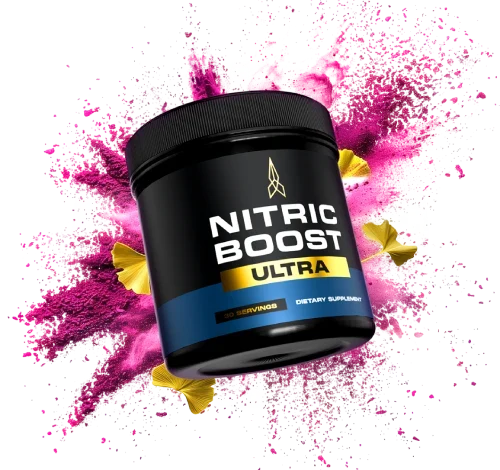
While a balanced diet and healthy lifestyle are foundational, achieving optimal nitric oxide levels and circulation can sometimes require targeted support. NitricBoost is a premium supplement designed to provide a synergistic blend of clinically studied ingredients that work together to naturally enhance your body's nitric oxide production and promote robust cardiovascular health.
NitricBoost is not just another supplement; it's a carefully formulated solution for those experiencing symptoms of poor circulation or simply seeking to proactively support their heart health. It brings together key nutrients in precise dosages to maximize their effectiveness. When considering different options, it's helpful to compare NitricBoost to other circulation supplements to understand its unique advantages.
Key Ingredients for Optimal Circulation in NitricBoost
NitricBoost is formulated with a powerful blend of clinically studied ingredients designed to support natural nitric oxide production and promote healthy blood flow. Here's a closer look at what makes it effective:
L-Arginine
Role: A vital amino acid that acts as a direct precursor to nitric oxide, helping to relax and widen blood vessels for improved blood flow. It's crucial for vascular endothelial health and plays a key role in reducing arterial stiffness.
L-Citrulline
Role: An amino acid that converts to L-Arginine in the kidneys, providing a sustained and more efficient pathway for nitric oxide production. L-Citrulline can raise plasma L-Arginine levels more effectively than L-Arginine supplementation alone, leading to prolonged vasodilation.
Beetroot Extract
Role: Rich in dietary nitrates, beetroot extract is a natural source that the body converts into nitric oxide. This process significantly enhances blood flow, improves oxygen delivery, and supports healthy blood pressure levels, especially beneficial during physical activity.
Pine Bark Extract (Pycnogenol)
Role: A potent antioxidant that supports endothelial function and stimulates nitric oxide synthesis. Pine Bark Extract helps improve microcirculation, reduce inflammation, and enhance vascular elasticity, contributing to overall cardiovascular wellness.
Vitamin K2 (MK-7)
Role: Essential for cardiovascular health, Vitamin K2 directs calcium away from arteries and into bones, preventing arterial calcification and maintaining arterial flexibility. This helps ensure blood vessels remain pliable and function optimally.
Magnesium
Role: A crucial mineral that helps relax smooth muscle cells in blood vessel walls, contributing to healthy blood pressure regulation. Magnesium also supports nerve and muscle function, including the heart, and aids in maintaining a steady heartbeat.
Vitamin C
Role: A powerful antioxidant vital for collagen synthesis, which maintains the structural integrity and flexibility of blood vessel walls. Vitamin C protects against oxidative damage and supports endothelial health, enhancing the body's ability to produce nitric oxide.
Hawthorn Berry Extract
Role: Traditionally used for heart health, Hawthorn Berry helps strengthen the heart muscle, improve blood flow to the heart, and dilate coronary blood vessels. It supports healthy blood pressure and can assist in overall cardiovascular function.
Folic Acid (Vitamin B9)
Role: Works synergistically with other B vitamins to metabolize homocysteine, an amino acid whose elevated levels are linked to arterial damage. Folic Acid helps maintain healthy blood vessel walls and reduces cardiovascular risk factors.
This comprehensive blend of ingredients makes NitricBoost a powerful ally in your quest for optimal blood circulation and heart health. For more detailed information on its safety and potential interactions, you might want to review our article on NitricBoost side effects.
Take Control of Your Cardiovascular Health with NitricBoost
Don't let sluggish circulation or low energy hold you back. NitricBoost offers a scientifically formulated blend of natural ingredients designed to support optimal blood flow, enhance nitric oxide production, and promote overall cardiovascular wellness. Reclaim your vitality and support your heart's long-term health.
- ✓ Supports natural nitric oxide production
- ✓ Enhances healthy blood circulation
- ✓ Promotes flexible and strong blood vessels
- ✓ Boosts energy and vitality
- ✓ Made with 100% natural, scientifically-backed ingredients



Real People, Real Results: Stories from NitricBoost Users
"I used to have cold feet all the time, even in summer. After a month on NitricBoost, I noticed a significant improvement in my circulation and overall energy. It's truly made a difference in my daily comfort and vitality!"
"As an active senior, maintaining good heart health is crucial for me. NitricBoost has helped me feel more energetic during my morning walks and I've even noticed my blood pressure readings have been more consistent. Highly recommend!"
"I was skeptical at first, but the science behind Nitric Oxide convinced me. NitricBoost delivered. My hands and feet are warmer, and I feel less fatigued. It's become a staple in my daily routine for better health."
Frequently Asked Questions
What is Nitric Oxide and why is it important for circulation?
+Nitric Oxide (NO) is a crucial signaling molecule in the body that plays a vital role in vasodilation – the relaxation and widening of blood vessels. This process is essential for healthy blood circulation, ensuring that oxygen and nutrients are efficiently delivered to all organs and tissues, while waste products are effectively removed. Low NO levels can lead to constricted blood vessels, impeding blood flow and potentially contributing to conditions like high blood pressure and poor circulation.
How do vitamins and minerals support blood circulation?
+Vitamins and minerals support blood circulation through various mechanisms. For example, Vitamin C and E act as antioxidants, protecting blood vessels from damage. B vitamins (B6, B9, B12) help reduce homocysteine levels, a risk factor for cardiovascular issues. Magnesium and Potassium contribute to healthy blood pressure regulation and muscle function, including the heart. L-Arginine and L-Citrulline are precursors to nitric oxide, directly boosting its production to relax blood vessels and improve flow. Together, these nutrients create an optimal environment for a healthy circulatory system.
Is NitricBoost safe to use?
+NitricBoost is formulated with natural ingredients that are generally recognized as safe. It is manufactured in a GMP-certified facility in the USA, adhering to strict quality standards. While it is designed to be safe for most adults, it's always recommended to consult with your healthcare provider before starting any new supplement, especially if you have pre-existing medical conditions, are taking medications, or are pregnant or nursing. This ensures it is appropriate for your individual health needs.
How long does it take to see results with NitricBoost?
+Individual results with NitricBoost can vary based on factors like your current health status, diet, lifestyle, and consistency of use. Many users report feeling improvements in energy levels, circulation, and overall vitality within a few weeks of consistent use. For optimal and sustained benefits, it is recommended to take NitricBoost regularly as directed for at least 60 to 90 days, allowing the body ample time to respond to the nutrient support and adapt to enhanced nitric oxide production.
Can NitricBoost be taken with other medications?
+As with any dietary supplement, it is crucial to discuss NitricBoost with your doctor or pharmacist if you are currently taking any medications. Certain ingredients in NitricBoost, such as those that influence blood pressure or blood thinning, could potentially interact with prescription drugs. Your healthcare provider can offer personalized advice based on your medical history and current medication regimen, ensuring there are no adverse interactions.
What is the recommended dosage for NitricBoost?
+The recommended dosage for NitricBoost is typically two capsules per day, preferably with a meal, or as directed by your healthcare professional. It is important not to exceed the recommended dosage without consulting a physician. Consistent daily intake is key to achieving and maintaining the desired benefits for blood circulation and cardiovascular health. Always refer to the product label for the most accurate and up-to-date dosing instructions.
Related Articles