Are You Overlooking a Critical Link Between Your Gut and Your Heart?
For decades, cardiovascular disease has been understood primarily through the lens of traditional risk factors: cholesterol, blood pressure, genetics, and lifestyle choices. While these factors remain undeniably important, cutting-edge research is now shining a spotlight on an often-neglected, yet profoundly influential, player in heart health: your gut microbiome.
The trillions of microorganisms residing in your digestive tract are not merely passive residents; they are active participants in your overall physiology, exerting a powerful influence on nearly every system in your body, including your cardiovascular system. This intricate relationship, often referred to as the "gut-heart axis," is revealing new pathways to understanding, preventing, and managing heart disease, with nitric oxide emerging as a critical bridge between the two.

The Gut Microbiome: A Hidden Organ Influencing Your Heart
Your gut is home to trillions of bacteria, fungi, viruses, and other microorganisms, collectively known as the gut microbiome. This complex ecosystem, weighing as much as your brain, plays a pivotal role in digestion, nutrient absorption, vitamin synthesis, and immune system modulation.
However, its influence extends far beyond the digestive tract. An imbalance in this microbial community, known as dysbiosis, can have profound systemic effects, including on your cardiovascular system. When the delicate balance of beneficial and harmful bacteria is disrupted, it can lead to a cascade of events that contribute to the development and progression of heart disease. This disruption can be caused by various factors, including a poor diet high in processed foods, chronic stress, antibiotic use, lack of physical activity, and environmental toxins.
The gut microbiome communicates with the heart through several pathways, including metabolic, inflammatory, and neurological routes. For instance, the gut produces various metabolites, some of which are beneficial and others detrimental to cardiovascular health. Understanding these pathways is key to unlocking new strategies for heart disease prevention.
💡 Key Takeaway
The gut microbiome is a critical, often underestimated, factor in cardiovascular health. Its balance directly impacts inflammation, metabolism, and the production of vital compounds like nitric oxide, influencing everything from blood pressure to arterial stiffness.
Mechanisms of the Gut-Heart Axis: How Gut Health Impacts Your Cardiovascular System
The connection between your gut and your heart is not merely theoretical; it's supported by robust scientific evidence detailing specific mechanisms:
Inflammation and Endothelial Dysfunction
A leaky gut, often a consequence of dysbiosis, allows bacterial toxins (like lipopolysaccharides or LPS) to cross the gut barrier and enter the bloodstream. This triggers a systemic inflammatory response, which is a major driver of atherosclerosis (hardening of the arteries) and endothelial dysfunction – the impaired function of the inner lining of blood vessels. Chronic inflammation damages arterial walls, making them more susceptible to plaque buildup.
Metabolites and Cardiovascular Risk
Gut bacteria metabolize dietary compounds into various molecules. One of the most studied is trimethylamine N-oxide (TMAO). When certain gut bacteria metabolize choline and L-carnitine (found in red meat and some dairy), they produce trimethylamine (TMA), which is then converted by the liver into TMAO. High levels of TMAO have been consistently linked to an increased risk of heart attack, stroke, and heart failure by promoting atherosclerosis and inflammation.
Short-Chain Fatty Acids (SCFAs)
On the positive side, beneficial gut bacteria ferment dietary fiber to produce short-chain fatty acids (SCFAs) like butyrate, propionate, and acetate. These SCFAs have numerous health benefits, including reducing inflammation, improving insulin sensitivity, and strengthening the gut barrier. Butyrate, in particular, is a primary fuel source for colon cells and plays a crucial role in maintaining gut integrity, thereby reducing the influx of harmful toxins into the bloodstream and supporting overall cardiovascular health.
Blood Pressure Regulation
The gut microbiome also influences blood pressure. SCFAs can interact with receptors on blood vessels and kidneys, potentially helping to lower blood pressure. Conversely, dysbiosis and increased TMAO levels can contribute to hypertension. The gut's role in regulating the renin-angiotensin-aldosterone system (RAAS), a key hormonal system for blood pressure control, is also being explored, highlighting another intricate layer of the gut-heart connection.
Cholesterol Metabolism
Certain gut bacteria can influence cholesterol metabolism by affecting bile acid synthesis and reabsorption. Bile acids play a critical role in fat digestion and cholesterol regulation. A balanced gut microbiome can help optimize cholesterol levels, while dysbiosis may contribute to unfavorable lipid profiles, further increasing cardiovascular risk.
Nitric Oxide: The Master Regulator of Cardiovascular Health
At the core of healthy cardiovascular function lies a crucial molecule: nitric oxide (NO). Often referred to as the "master regulator" of the cardiovascular system, NO is a gas produced naturally by the body, primarily by the endothelial cells lining your blood vessels.
Its primary role is as a powerful vasodilator. This means it signals the smooth muscles surrounding your arteries to relax, causing the blood vessels to widen. This widening action allows blood to flow more freely, reducing resistance, which in turn helps to maintain healthy blood pressure and ensures that oxygen and nutrient-rich blood effectively reaches every cell and tissue in your body. Without sufficient NO, blood vessels can constrict, leading to poor circulation and increased strain on the heart.
Beyond vasodilation, nitric oxide has several other vital functions:
- Inhibits Platelet Aggregation: It helps prevent blood platelets from sticking together and forming clots, which can block arteries and lead to heart attacks or strokes.
- Reduces Inflammation: NO possesses anti-inflammatory properties, protecting the delicate lining of blood vessels from damage caused by chronic inflammation.
- Antioxidant Effects: It helps neutralize harmful free radicals, reducing oxidative stress on arterial walls.
- Supports Endothelial Health: NO is essential for maintaining the integrity and function of the endothelium, which is the first line of defense against cardiovascular disease.
When nitric oxide production is compromised, a condition known as endothelial dysfunction can develop. This is a critical early step in the progression of atherosclerosis, hypertension, and other cardiovascular problems. Factors such as aging, poor diet, lack of exercise, smoking, and chronic stress can all diminish the body's ability to produce adequate NO, leading to a decline in cardiovascular health.
The Gut-Nitric Oxide Connection: A Symbiotic Relationship
Here's where the gut microbiome beautifully intertwines with nitric oxide production, creating a vital link in the gut-heart axis.
Dietary Nitrates and Gut Bacteria
Our bodies can produce NO through an enzymatic pathway, but there's also a crucial non-enzymatic pathway that heavily relies on our gut bacteria. When we consume nitrate-rich foods like leafy green vegetables (spinach, kale, arugula) and beetroot, these dietary nitrates are absorbed into the bloodstream. About 25% of these nitrates are concentrated in saliva.
The Enterosalivary Nitrate-Nitrite-NO Pathway
Once in the saliva, specific oral and gut bacteria play a critical role in converting these nitrates into nitrites. These nitrites are then swallowed and absorbed into the bloodstream. In the body, particularly in conditions of low oxygen (like during exercise or in areas with restricted blood flow), these nitrites can be further reduced to nitric oxide, contributing significantly to the body's overall NO pool. This process is known as the enterosalivary nitrate-nitrite-NO pathway.
Dysbiosis Impairs NO Production
If your gut microbiome is unhealthy or imbalanced (dysbiosis), the beneficial bacteria responsible for this crucial conversion may be diminished. This means that even if you're eating plenty of nitrate-rich foods, your body might not be able to efficiently convert them into nitrites and subsequently into nitric oxide. This impaired conversion directly contributes to lower NO levels, exacerbating issues like poor blood circulation and elevated blood pressure. This highlights the importance of gut health for cardiovascular well-being.
Gut Integrity and NO Bioavailability
A healthy gut barrier, maintained by a balanced microbiome, prevents systemic inflammation. Chronic inflammation is known to impair endothelial function and reduce NO bioavailability. By fostering a healthy gut, we reduce systemic inflammation, thereby protecting the endothelium and ensuring that the NO produced can effectively perform its vasodilatory and protective functions.
Consequences of Poor Blood Circulation and Low Nitric Oxide
When your body struggles to produce sufficient nitric oxide and your circulation falters, the effects can be widespread and detrimental to your health.
Poor blood circulation, often a direct result of low NO, means that your tissues and organs aren't receiving the oxygen and nutrients they need to function optimally. This can manifest in various symptoms, from the noticeable to the subtle:
- Cold Extremities: Hands and feet may feel perpetually cold, even in warm environments, due to restricted blood flow.
- Numbness and Tingling: A sensation of "pins and needles" or numbness in the limbs can indicate nerve damage or inadequate blood supply.
- Fatigue and Low Energy: Reduced oxygen delivery to muscles and the brain can lead to persistent tiredness and a general lack of vitality.
- Brain Fog and Cognitive Decline: Insufficient blood flow to the brain can impair cognitive function, leading to difficulty concentrating, memory issues, and a general feeling of mental sluggishness.
- Erectile Dysfunction (ED): NO is crucial for healthy erectile function, as it signals blood vessels in the penis to relax and fill with blood. Low NO is a significant contributor to ED.
- Muscle Cramps and Weakness: Muscles deprived of adequate oxygen and nutrients are prone to cramping, especially during physical activity, and may feel weaker than usual.
- Slow Wound Healing: Proper circulation is essential for tissue repair. Poor blood flow can significantly delay the healing of cuts, sores, and injuries.
Beyond these symptoms, chronically low nitric oxide and poor circulation are direct contributors to serious medical conditions:
- Hypertension (High Blood Pressure): Without sufficient NO to relax blood vessels, arteries remain constricted, leading to elevated blood pressure, which strains the heart and damages arterial walls over time.
- Atherosclerosis: Endothelial dysfunction, driven by low NO and chronic inflammation, is a key instigator of plaque formation in arteries, hardening them and further impeding blood flow.
- Increased Risk of Heart Attack and Stroke: These conditions are often the culmination of prolonged poor circulation, plaque rupture, and clot formation – all exacerbated by insufficient NO.
- Peripheral Artery Disease (PAD): This condition involves narrowed arteries that reduce blood flow to the limbs, most commonly the legs, causing pain and limiting mobility.
Recognizing these signs and understanding the critical role of nitric oxide and gut health is the first step towards taking proactive measures to protect your cardiovascular future. Many individuals seeking to support their circulation and overall heart health explore options such as circulation booster supplements that focus on enhancing nitric oxide pathways.
Nourishing the Gut-Heart Axis: Strategies for Optimal Health
Fortunately, there are many actionable steps you can take to foster a healthy gut, boost nitric oxide production, and support robust cardiovascular health. A holistic approach is always best.
Embrace a Plant-Rich Diet
Focus on whole, unprocessed foods. Load up on fiber-rich fruits, vegetables, and whole grains to feed your beneficial gut bacteria. Include plenty of nitrate-rich foods like beetroot, spinach, kale, and arugula to fuel the nitrate-nitrite-NO pathway. Fermented foods like kimchi, sauerkraut, yogurt, and kefir provide beneficial probiotics. Limiting red meat can also help manage TMAO levels.
Regular Physical Activity
Exercise is a powerful stimulant for nitric oxide production. It enhances endothelial function and promotes healthy blood flow. Aim for at least 150 minutes of moderate-intensity aerobic exercise or 75 minutes of vigorous-intensity exercise per week, combined with strength training. Even brisk walking can make a significant difference. Regular exercise also positively impacts gut microbiome diversity.
Manage Stress and Prioritize Sleep
Chronic stress can negatively impact gut health and suppress NO production. Incorporate stress-reducing practices like meditation, yoga, deep breathing exercises, or spending time in nature. Aim for 7-9 hours of quality sleep per night, as sleep deprivation can disrupt both gut health and cardiovascular function.
Consider Targeted Supplementation
While diet and lifestyle are foundational, certain supplements can provide targeted support for nitric oxide production and gut health, especially for those with existing circulation issues or dietary gaps. Ingredients like L-Arginine, L-Citrulline, and Beetroot Extract are well-known for their roles in NO synthesis. When considering beet root circulation supplements, ensure they are high-quality and tested.
NitricBoost: Supporting Your Gut-Heart Axis for Enhanced Circulation and Vitality
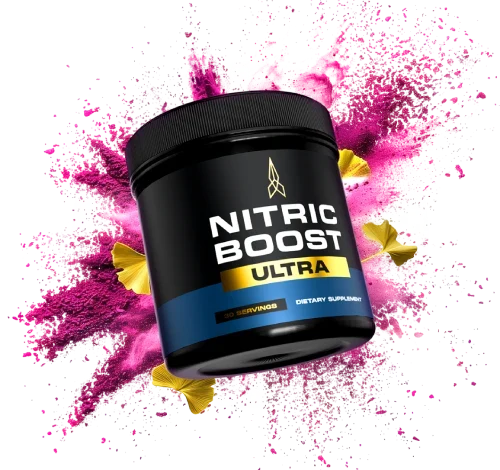
For those looking for a comprehensive approach to support both their cardiovascular health and the crucial nitric oxide pathway, a carefully formulated supplement can be a valuable addition to a healthy lifestyle. NitricBoost is designed to provide targeted support by combining key ingredients known for their role in enhancing nitric oxide production and promoting healthy circulation.
By focusing on ingredients that directly or indirectly support the body's natural ability to produce nitric oxide, NitricBoost aims to help improve blood flow, support healthy blood pressure, and enhance overall cardiovascular well-being. It's important to view such supplements as part of a broader strategy that includes a balanced diet, regular exercise, and stress management.
Many individuals, especially men over 50, are seeking effective ways to maintain robust circulation and energy levels. While many options exist, circulation supplements for men over 50 often focus on ingredients that support endothelial function and nitric oxide production, similar to the blend found in NitricBoost.
Key Ingredients in NitricBoost and Their Benefits
NitricBoost leverages a synergistic blend of natural ingredients, each selected for its scientifically recognized contribution to nitric oxide production, circulation, and overall cardiovascular health. While images are not available for individual ingredients, their roles are critical:
L-Arginine
Role: A semi-essential amino acid, L-Arginine is a direct precursor to nitric oxide. The body uses L-Arginine to synthesize NO through the enzyme endothelial nitric oxide synthase (eNOS). Supplementing with L-Arginine can help increase the raw material needed for NO production, supporting vasodilation and blood flow.
L-Citrulline
Role: L-Citrulline is another amino acid that plays a crucial role in the NO pathway. Once ingested, L-Citrulline is converted into L-Arginine in the kidneys, effectively boosting L-Arginine levels in the body more efficiently than L-Arginine supplementation alone. This sustained increase in L-Arginine leads to enhanced and prolonged nitric oxide production, promoting better circulation and endothelial health.
Beetroot Extract
Role: Rich in natural dietary nitrates, beetroot extract is a potent natural source for nitric oxide generation. As discussed, these nitrates are converted into nitrites by beneficial gut bacteria, and then into NO in the body. This non-enzymatic pathway is crucial for maintaining healthy NO levels, especially when the enzymatic pathway might be compromised. Beetroot extract supports blood pressure regulation and exercise performance.
Pine Bark Extract (Pycnogenol)
Role: This powerful antioxidant is known to enhance the activity of eNOS, the enzyme responsible for converting L-Arginine into nitric oxide. It also helps protect NO from oxidative degradation, ensuring its bioavailability. Pine Bark Extract supports endothelial function, reduces inflammation, and improves microcirculation, contributing to overall cardiovascular health.
Vitamin C
Role: A vital antioxidant, Vitamin C plays a crucial role in protecting nitric oxide from oxidative stress, thereby extending its lifespan and effectiveness in the body. It also supports the health and integrity of the endothelial lining of blood vessels and aids in the regeneration of other antioxidants like Vitamin E.
Vitamin B Complex (B6, B9, B12)
Role: B Vitamins, particularly B6, B9 (Folic Acid), and B12, are essential for homocysteine metabolism. High levels of homocysteine are a known risk factor for cardiovascular disease and can impair nitric oxide production. These vitamins help convert homocysteine into other beneficial compounds, thereby supporting endothelial function and cardiovascular health.
Folic Acid
Role: As a key component of the B vitamin complex (Vitamin B9), Folic Acid is particularly important for cellular health and DNA synthesis. In the context of cardiovascular health, it works synergistically with other B vitamins to lower homocysteine levels, which can otherwise damage blood vessels and reduce NO bioavailability. Adequate folic acid intake supports healthy endothelial function and overall blood vessel integrity.
Experience the NitricBoost Difference: Support Your Gut-Heart Axis Today!
Don't let poor circulation and low nitric oxide levels hold you back. NitricBoost offers a scientifically formulated blend of ingredients designed to support your body's natural nitric oxide production, enhance blood flow, and contribute to overall cardiovascular wellness.
- ✓ Supports Healthy Blood Pressure
- ✓ Boosts Energy & Vitality
- ✓ Enhances Circulation & Blood Flow
- ✓ Promotes Endothelial Health
- ✓ Formulated with Scientifically-Backed Ingredients



What Our Customers Are Saying
"I've struggled with low energy and cold hands for years. Since starting NitricBoost, I've noticed a significant improvement in my circulation and overall vitality. I feel more active and my focus has sharpened. It's truly made a difference in my daily life."
"As someone who's always conscious of my heart health, finding a supplement that supports circulation naturally was important. NitricBoost has become a staple in my routine. My blood pressure readings have been more consistent, and I feel a general sense of well-being that I attribute to better blood flow."
"I was skeptical at first, but after a few weeks of using NitricBoost, the difference was undeniable. My energy levels are up, and I no longer feel that constant sluggishness. My doctor even commented on my improved circulation during my last check-up. Highly recommend for anyone looking to boost their heart health!"
Frequently Asked Questions
How does gut health influence cardiovascular disease risk?
+The gut microbiome produces various metabolites, some of which can be beneficial (like short-chain fatty acids) and others harmful (like TMAO). Dysbiosis, an imbalance in gut bacteria, can lead to increased inflammation, oxidative stress, and impaired endothelial function, all of which contribute to the development and progression of cardiovascular diseases such as atherosclerosis, hypertension, and heart failure. A healthy gut supports a strong gut barrier, preventing toxins from entering the bloodstream and triggering systemic inflammation.
What is nitric oxide, and why is it crucial for heart health?
+Nitric oxide (NO) is a vital signaling molecule produced by the body, primarily in the endothelium (the inner lining of blood vessels). It acts as a potent vasodilator, meaning it relaxes and widens blood vessels, promoting healthy blood flow, regulating blood pressure, and ensuring oxygen and nutrient delivery to tissues. NO also plays roles in preventing platelet aggregation, reducing inflammation, and protecting against oxidative stress. Low levels of NO are strongly associated with endothelial dysfunction, a precursor to many cardiovascular diseases.
Can improving gut health directly boost nitric oxide production?
+Yes, there's a direct connection. Certain beneficial gut bacteria are essential for the enterosalivary nitrate-nitrite-nitric oxide pathway. When you consume nitrate-rich foods (like leafy greens and beetroot), these bacteria convert nitrates into nitrites. These nitrites are then absorbed into the bloodstream and can be further reduced to nitric oxide, especially in conditions of low oxygen. A diverse and healthy gut microbiome therefore supports the body's natural ability to produce and maintain adequate nitric oxide levels, which is crucial for cardiovascular well-being.
What are common signs of poor blood circulation or low nitric oxide?
+Signs of poor blood circulation or low nitric oxide can manifest in various ways. These include cold hands and feet, numbness or tingling in the extremities, fatigue, brain fog, erectile dysfunction, muscle cramps, and elevated blood pressure. Persistent issues with wound healing, dizziness, and a general lack of energy can also be indicators. Recognizing these symptoms early is important, as they can point to underlying cardiovascular issues that warrant medical attention.
How can lifestyle changes support both gut health and nitric oxide levels?
+Embracing a holistic lifestyle is key. A diet rich in fiber, prebiotics (from fruits, vegetables, whole grains), and probiotics (from fermented foods) supports a diverse gut microbiome. Consuming nitrate-rich foods like beetroot and leafy greens directly fuels the NO pathway. Regular physical activity enhances endothelial function and blood flow. Managing stress through practices like meditation or yoga, ensuring adequate sleep, and avoiding excessive alcohol and smoking are also crucial, as these factors positively impact both gut health and the body's ability to produce nitric oxide.
Is NitricBoost suitable for everyone?
+NitricBoost is formulated with natural ingredients designed to support nitric oxide production and cardiovascular health. However, as with any supplement, it's always recommended to consult with a healthcare professional before starting, especially if you have pre-existing medical conditions, are taking medications, or are pregnant or nursing. Your doctor can provide personalized advice based on your individual health profile to ensure it is appropriate and safe for your specific needs.
Related Articles