Feeling sluggish, or concerned about your heart health and circulation?
Many people experience fatigue, shortness of breath, or cold extremities, often attributing these symptoms to aging. However, these can be subtle indicators that your cardiovascular system, the very engine of your body, might not be performing at its peak. The heart requires an immense amount of energy to function tirelessly, and efficient blood circulation is vital for delivering oxygen and nutrients to every cell.
This is where a remarkable compound called Coenzyme Q10 (CoQ10) steps in. It's a natural antioxidant crucial for cellular energy production, especially in the heart, and plays a significant role in maintaining healthy blood vessels and optimal blood flow.
Understanding CoQ10: The Heart's Essential Spark Plug
Coenzyme Q10, often simply called CoQ10, is a vitamin-like substance naturally present in every cell of your body. Its primary role is within the mitochondria, the "powerhouses" of your cells, where it plays a critical part in generating adenosine triphosphate (ATP), the body's main energy currency. Without adequate CoQ10, cells cannot produce energy efficiently, leading to various issues, particularly in high-energy organs like the heart.
The human heart is an extraordinary muscle, beating approximately 100,000 times a day, pumping around 2,000 gallons of blood. This continuous, demanding work requires an enormous and constant supply of energy. It's no surprise then that the heart has one of the highest concentrations of CoQ10 in the body. When CoQ10 levels are optimal, the heart muscle can contract powerfully and efficiently, ensuring robust circulation. Conversely, a deficiency can compromise the heart's ability to maintain its energy demands, potentially leading to symptoms of fatigue and reduced cardiac output.
Beyond its role in energy production, CoQ10 is also a potent antioxidant. It helps neutralize harmful free radicals that can damage cells and tissues, including those in the cardiovascular system. Oxidative stress is a major contributor to arterial stiffness and endothelial dysfunction, both of which impair blood flow. By mitigating this damage, CoQ10 helps protect the delicate lining of your blood vessels, promoting their flexibility and overall health. This dual action—energy production and antioxidant protection—makes CoQ10 indispensable for comprehensive cardiovascular wellness.
💡 Key Takeaway
CoQ10 is a vital nutrient for cellular energy production, especially in the heart, and acts as a powerful antioxidant protecting blood vessels. Its decline with age or certain conditions can significantly impact heart function and overall circulation.
CoQ10's Direct Impact on Heart Energy and Function
The correlation between CoQ10 and heart health is profound. The heart muscle cells are packed with mitochondria, demanding a continuous supply of CoQ10 to fuel their relentless activity. A healthy heart simply cannot function optimally without it.
Enhanced ATP Production
CoQ10 is an essential component of the electron transport chain within mitochondria, the process that generates over 90% of the body's energy in the form of ATP. By facilitating this crucial step, CoQ10 ensures the heart has the consistent energy supply it needs to pump blood effectively, reducing strain and improving overall cardiac efficiency.
Strengthened Heart Muscle
With improved energy availability, heart muscle cells can maintain their structural integrity and functional capacity more effectively. This can lead to a stronger, more resilient heart that is better equipped to handle the demands placed upon it, whether from daily activities or stress. Optimal CoQ10 levels contribute to the heart's pumping vigor.
Protection Against Oxidative Stress
The heart is constantly exposed to oxidative stress due to its high metabolic rate. CoQ10 acts as a potent fat-soluble antioxidant, protecting cellular membranes and mitochondrial DNA from damage caused by free radicals. This protective action is critical for preventing cellular dysfunction and maintaining long-term heart health.
Support for Healthy Blood Pressure
While not a direct treatment for hypertension, some research suggests that CoQ10 supplementation may help support already healthy blood pressure levels. This is partly due to its role in improving endothelial function and reducing oxidative stress, both of which contribute to blood vessel relaxation and efficient blood flow.
CoQ10 and Its Pivotal Role in Blood Circulation
Beyond its direct impact on heart energy, CoQ10 also plays a crucial, often overlooked, role in maintaining healthy blood circulation throughout the entire body. Good circulation is not just about the heart pumping; it's about the health and flexibility of your arteries, veins, and capillaries, and the optimal production of a key signaling molecule: nitric oxide.
Poor blood circulation is a widespread issue that can manifest in various ways, from cold hands and feet to fatigue, muscle cramps, and even more serious cardiovascular concerns. It often stems from factors like arterial stiffness, plaque buildup, or impaired endothelial function – the inner lining of your blood vessels. This is where CoQ10's antioxidant properties become incredibly relevant. By reducing oxidative damage to the endothelium, CoQ10 helps preserve the elasticity and smooth function of blood vessels, allowing blood to flow freely and efficiently.
One of the most significant contributions of CoQ10 to circulation is its involvement in the synthesis and bioavailability of nitric oxide (NO). Nitric oxide is a gas molecule produced by the endothelial cells that acts as a powerful vasodilator, meaning it signals the blood vessels to relax and widen. This relaxation reduces resistance to blood flow, allowing oxygen and nutrient-rich blood to reach every tissue and organ, while effectively removing waste products. When nitric oxide levels are low, blood vessels tend to constrict, leading to poor circulation and increased strain on the heart. CoQ10 helps protect NO from oxidative degradation, ensuring its longevity and effectiveness in promoting vasodilation.
Therefore, by supporting both the structural integrity of blood vessels and the critical function of nitric oxide, CoQ10 directly contributes to optimal blood flow. This comprehensive support is vital for anyone looking to improve their overall cardiovascular health and combat the effects of poor blood circulation and low nitric oxide, which are increasingly common concerns. For more information on how to enhance your blood flow, consider exploring resources on circulation booster supplements that focus on natural pathways to improve vascular health.
Common Causes of Poor Blood Circulation and Low Nitric Oxide
Understanding the root causes of compromised circulation and diminished nitric oxide levels is key to effectively addressing them. These conditions often arise from a combination of lifestyle factors, natural aging processes, and certain medical conditions.
Aging Process
As we age, our body's natural production of CoQ10 declines, often significantly after the age of 40. This reduction directly impacts cellular energy and antioxidant protection. Furthermore, the endothelium, the inner lining of blood vessels responsible for nitric oxide production, becomes less efficient and more susceptible to damage, leading to decreased NO availability and stiffer arteries.
Lifestyle Choices
Sedentary lifestyles, diets high in processed foods, excessive consumption of unhealthy fats, and smoking all contribute to oxidative stress and inflammation. These factors directly impair endothelial function, reduce nitric oxide synthesis, and can lead to the hardening of arteries, collectively hindering efficient blood flow throughout the body.
Medication Side Effects
Certain medications, particularly statins used to lower cholesterol, are known to deplete the body's CoQ10 levels. While statins are vital for many, this depletion can have downstream effects on energy production and cardiovascular health. Other medications can also impact blood vessel function or nutrient absorption, indirectly affecting circulation.
Underlying Health Conditions
Conditions such as diabetes, high blood pressure, and obesity are major risk factors for poor circulation. They promote systemic inflammation, oxidative stress, and damage to blood vessel walls, all of which compromise the production and action of nitric oxide, leading to constricted blood vessels and inefficient blood flow.
Choosing the Right CoQ10 Supplement and Synergistic Ingredients
When considering a CoQ10 supplement, it's essential to understand the different forms and what makes a product effective. The two main forms are ubiquinone and ubiquinol. While ubiquinone is the oxidized form that the body converts into ubiquinol, ubiquinol is the active, more bioavailable form. For individuals over 40 or those with certain health conditions, the body's ability to convert ubiquinone decreases, making ubiquinol a potentially more effective choice for direct supplementation.
Beyond the form of CoQ10, the effectiveness of a supplement for heart energy and circulation can be significantly amplified when CoQ10 is combined with other synergistic ingredients. These ingredients work through different pathways to support cardiovascular health, creating a more comprehensive approach. For example, amino acids like L-Arginine and L-Citrulline are precursors to nitric oxide, directly boosting its production. Antioxidants like Pine Bark Extract can further protect blood vessels from oxidative damage, while vitamins and minerals support overall cellular function.
When selecting a supplement, look for products that prioritize quality, transparency, and a well-researched blend of ingredients. Always check for third-party testing, GMP certification, and clear labeling of dosages. This ensures you're getting a safe, effective product that truly supports your cardiovascular goals. If you're looking for one of the best circulation supplements on the market, understanding the blend of ingredients is crucial for optimal results.
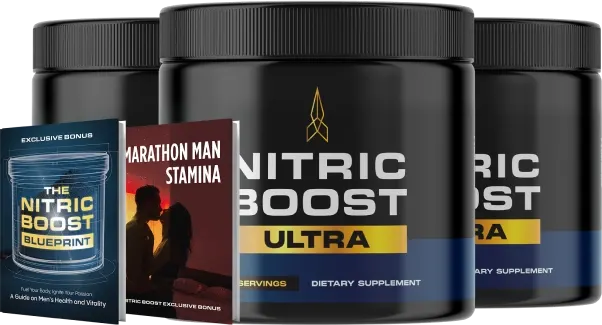
NitricBoost: A Comprehensive Approach to Heart Energy & Circulation
While CoQ10 is a powerful ally for heart health, its benefits can be amplified when combined with other ingredients that target various aspects of cardiovascular wellness. NitricBoost is a prime example of a supplement designed to provide comprehensive support for heart energy, blood flow, and overall circulatory health.
NitricBoost incorporates a potent dose of CoQ10, ensuring your heart cells receive the energy they need for optimal function. But it doesn't stop there. The formula is carefully crafted to address the critical issue of low nitric oxide and poor circulation by including key ingredients known for their vasodilatory and protective properties.
This multi-ingredient approach means you're not just getting a single benefit; you're getting a synergistic blend designed to:
Boost Nitric Oxide Production
Ingredients like L-Arginine and L-Citrulline are direct precursors to nitric oxide. L-Citrulline is particularly effective as it converts to L-Arginine in the body, providing a sustained release of NO, which helps blood vessels relax and expand, leading to improved blood flow throughout the entire circulatory system.
Enhance Endothelial Function
Pine Bark Extract, a powerful antioxidant, helps protect the delicate endothelial lining of your blood vessels from oxidative damage. This protection is crucial for maintaining arterial flexibility and ensuring that blood vessels can respond properly to signals for dilation and constriction, thus optimizing circulation.
Provide Antioxidant Protection
Beyond CoQ10, ingredients like Vitamin C and Alpha Lipoic Acid contribute to the supplement's antioxidant capacity. This comprehensive antioxidant shield helps combat free radicals, reduces inflammation, and protects cardiovascular cells from damage, promoting long-term heart and vessel health.
Support Overall Cardiovascular Wellness
The combination of these ingredients works holistically to support various aspects of heart health. From maintaining healthy blood pressure levels already within a normal range to improving stamina and reducing feelings of fatigue, NitricBoost aims to revitalize your cardiovascular system from multiple angles.
NitricBoost is formulated to be a comprehensive solution for those seeking to enhance their heart's energy production and optimize blood circulation naturally. For real experiences and results, you might want to read NitricBoost reviews from satisfied users.
Key Ingredients in NitricBoost for Optimal Performance
NitricBoost's effectiveness stems from its meticulously selected blend of ingredients, each playing a vital role in supporting cardiovascular health, energy, and circulation. Here's a closer look at some of the core components:
L-Arginine HCL
Role: A semi-essential amino acid that is a direct precursor to nitric oxide (NO) in the body. It helps relax and widen blood vessels, promoting healthy blood flow and supporting cardiovascular function. Essential for maintaining vascular tone.
L-Citrulline
Role: An amino acid that converts to L-Arginine in the kidneys, providing a sustained and more efficient increase in nitric oxide levels than L-Arginine alone. It supports endurance, reduces fatigue, and further enhances vasodilation.
Pine Bark Extract
Role: Rich in powerful antioxidants called proanthocyanidins. It supports endothelial function, helps protect blood vessels from oxidative stress, and may enhance nitric oxide bioavailability, leading to improved circulation and blood pressure support.
Coenzyme Q10 (CoQ10)
Role: A vital antioxidant and coenzyme essential for cellular energy production (ATP), especially in the heart. It protects against oxidative damage, supports heart muscle function, and contributes to overall cardiovascular vitality.
Grape Seed Extract
Role: Another potent source of antioxidants (polyphenols). It helps strengthen blood vessels, reduce oxidative stress, and may contribute to maintaining healthy blood pressure, further supporting robust circulation.
Garlic Bulb Powder
Role: Known for its cardiovascular benefits, including supporting healthy blood pressure and cholesterol levels already within the normal range. It also possesses anti-inflammatory and antioxidant properties that benefit vascular health.
Green Tea Leaf Extract
Role: Contains catechins, powerful antioxidants that support heart health and metabolism. It helps protect cells from oxidative damage and may contribute to healthy endothelial function, promoting smooth blood flow.
Alpha Lipoic Acid (ALA)
Role: A potent antioxidant that is both water and fat-soluble, allowing it to work throughout the body. It helps regenerate other antioxidants, supports cellular energy, and plays a role in protecting nerve and blood vessel health.
Cayenne Pepper Powder
Role: Contains capsaicin, which can help improve circulation by stimulating blood flow. It also has metabolic benefits and may support the integrity of blood vessels, contributing to overall cardiovascular wellness.
Ready to Revitalize Your Heart and Circulation?
Don't let fatigue and poor circulation hold you back any longer. NitricBoost offers a powerful, all-natural solution designed to optimize your cardiovascular health from within. By combining CoQ10 with a potent blend of nitric oxide boosters and antioxidants, NitricBoost helps you reclaim your energy and vitality.
- ✓ Boosts natural Nitric Oxide production for optimal blood flow
- ✓ Enhances heart energy and supports strong cardiac function
- ✓ Supports healthy blood pressure and arterial flexibility
- ✓ Combats oxidative stress and protects blood vessel health
- ✓ Made with 100% natural, scientifically-backed ingredients



Hear From Our Happy Customers
"I've struggled with low energy and cold hands for years. Since starting NitricBoost, I feel a noticeable difference in my stamina and overall warmth. My circulation feels so much better, and I have more energy throughout the day!"
"As someone approaching retirement, heart health is a major concern. NitricBoost has given me peace of mind and a real boost. My doctor even commented on my improved numbers. Highly recommend for anyone serious about their cardiovascular wellness."
"The CoQ10 in NitricBoost really makes a difference. I used to feel sluggish after work, but now I have the energy to enjoy my evenings. My blood pressure readings have also been more consistent. This product is a game-changer!"
Frequently Asked Questions
What exactly is CoQ10 and why is it important for my heart?
+CoQ10, or Coenzyme Q10, is a vital nutrient and antioxidant naturally produced by your body. It plays a crucial role in cellular energy production, particularly in the mitochondria of cells. The heart, being one of the most metabolically active organs, relies heavily on CoQ10 to generate the energy it needs to pump blood effectively. It also acts as a powerful antioxidant, protecting heart cells from oxidative damage.
How does CoQ10 contribute to improved blood circulation?
+CoQ10 supports blood circulation in several ways. It helps maintain the integrity and flexibility of blood vessel walls, ensuring smooth blood flow. Furthermore, CoQ10 is involved in the production and regulation of nitric oxide, a crucial molecule that signals blood vessels to relax and widen, leading to improved blood flow throughout the body. Better circulation means more efficient delivery of oxygen and nutrients to all tissues.
Can CoQ10 help if I have symptoms of poor blood circulation or low energy?
+While CoQ10 is not a cure for medical conditions, it can be a valuable supplement for individuals experiencing symptoms related to poor blood circulation or low energy, especially if these are linked to suboptimal cellular energy production or oxidative stress. By enhancing mitochondrial function and supporting nitric oxide levels, CoQ10 may help improve energy levels and alleviate some symptoms associated with compromised circulation. Always consult a healthcare professional for diagnosis and treatment.
What is the difference between Ubiquinone and Ubiquinol CoQ10?
+Ubiquinone is the oxidized form of CoQ10, which the body must convert into ubiquinol to use. Ubiquinol is the active, antioxidant form of CoQ10 that is ready for immediate use by the body. For younger individuals, the body can efficiently convert ubiquinone to ubiquinol. However, for those over 40 or with certain health conditions, the body's ability to convert ubiquinone diminishes. In such cases, supplementing directly with ubiquinol may offer better absorption and efficacy.
Are there any side effects or interactions with CoQ10 supplements?
+CoQ10 is generally well-tolerated with few reported side effects, typically mild gastrointestinal discomfort. However, it can interact with certain medications, particularly blood thinners like warfarin, potentially reducing their effectiveness. It's crucial to consult your doctor before starting any new supplement, especially if you are pregnant, nursing, have a medical condition, or are taking prescription medications, to ensure it's safe and appropriate for your individual health needs.
How does NitricBoost incorporate CoQ10 for maximum benefit?
+NitricBoost is formulated with a potent dose of CoQ10, specifically chosen for its bioavailability and efficacy in supporting heart energy and circulation. It combines CoQ10 with other synergistic ingredients like L-Arginine, L-Citrulline, and Pine Bark Extract, which further enhance nitric oxide production and cardiovascular health. This comprehensive approach aims to optimize cellular energy, improve endothelial function, and promote healthy blood flow throughout the body, providing a multi-faceted approach to cardiovascular wellness.
Related Articles