Struggling with sluggish circulation or concerned about your heart health?
Poor blood circulation and suboptimal nitric oxide levels are silent adversaries for millions, often contributing to fatigue, cold extremities, and more serious cardiovascular issues. While many factors play a role, your diet stands as one of the most powerful tools you possess to influence these vital bodily functions.
Embracing an anti-inflammatory diet isn't just about reducing pain; it's a profound strategy to fortify your circulatory system, enhance nitric oxide production, and pave the way for a vibrant, healthier heart. Join us as we explore the scientifically-backed dietary choices that can transform your cardiovascular well-being.

Understanding the Silent Threat: Chronic Inflammation and Your Heart
Before we delve into dietary solutions, it's crucial to grasp the insidious role of chronic inflammation in cardiovascular health. Often unseen and unfelt until it's too late, persistent inflammation can wreak havoc on your circulatory system.
When your body experiences acute inflammation, it's a natural and necessary response to injury or infection. However, when inflammation becomes chronic – a low-grade, persistent state – it transforms from a protector into a destroyer. This prolonged inflammatory response can damage the delicate inner lining of your blood vessels, known as the endothelium. This damage is a primary precursor to atherosclerosis, the hardening and narrowing of arteries, which is a leading cause of heart disease and poor circulation. Inflammatory markers like C-reactive protein (CRP) are often elevated in individuals with cardiovascular issues, signaling this underlying problem.
The constant assault on your arteries makes them less elastic and more prone to plaque buildup. This plaque, composed of cholesterol, fatty substances, cellular waste products, calcium, and fibrin, further obstructs blood flow. As arteries become stiffer and narrower, your heart has to work harder to pump blood through your body, leading to increased blood pressure and strain on the entire cardiovascular system. This vicious cycle can severely compromise your health, leading to symptoms like cold hands and feet, numbness, fatigue, and even more severe conditions if left unaddressed.
💡 Key Takeaway
Chronic inflammation silently damages blood vessels, leading to atherosclerosis and poor circulation, placing immense strain on your heart. Addressing this inflammation is fundamental to improving cardiovascular health.
Nitric Oxide: The Master Regulator of Blood Flow
At the heart of healthy circulation lies a tiny yet incredibly powerful molecule: Nitric Oxide (NO). Often referred to as the "miracle molecule," nitric oxide is a gas produced naturally by your body, playing a pivotal role in maintaining the health and flexibility of your blood vessels.
Nitric oxide acts as a potent vasodilator, meaning it signals the smooth muscle cells surrounding your arteries to relax. This relaxation causes your blood vessels to widen, allowing blood to flow more freely and efficiently throughout your body. Optimal NO levels ensure that oxygen and vital nutrients reach every cell and organ, while metabolic waste products are effectively carried away. This process is critical not just for overall energy and vitality, but for maintaining healthy blood pressure and preventing the myriad issues associated with poor circulation. To learn more about this incredible molecule, you can read our detailed article on how nitric oxide works.
Unfortunately, several factors can lead to a decline in nitric oxide production, including aging, an unhealthy diet, lack of physical activity, smoking, and chronic inflammation. When NO levels drop, blood vessels lose their elasticity, become constricted, and blood flow is impaired. This reduction in nitric oxide bioavailability is a significant contributor to conditions like hypertension, erectile dysfunction, and peripheral artery disease. Boosting your body's natural ability to produce and utilize nitric oxide is therefore a cornerstone of any strategy aimed at improving cardiovascular health.
The Anti-Inflammatory Diet: Your Blueprint for a Healthier Heart
An anti-inflammatory diet isn't a restrictive fad; it's a sustainable lifestyle approach focused on nutrient-dense, whole foods that actively combat inflammation and support optimal bodily functions, especially heart and circulatory health. It emphasizes balance, variety, and mindful eating.
Prioritize Whole, Unprocessed Foods
The cornerstone of an anti-inflammatory diet is a focus on foods in their most natural state. This means choosing fresh fruits, vegetables, whole grains, lean proteins, and healthy fats over highly processed, packaged goods. Whole foods retain their full spectrum of vitamins, minerals, fiber, and antioxidants, all essential for cellular health and inflammation reduction.
Embrace a Rainbow of Fruits and Vegetables
These are packed with antioxidants and phytonutrients that neutralize free radicals, reduce oxidative stress, and dampen inflammatory pathways. Aim for a wide variety of colors to ensure a diverse intake of beneficial compounds. Dark leafy greens, berries, citrus fruits, and cruciferous vegetables are particularly potent anti-inflammatory choices.
Incorporate Healthy Fats, Especially Omega-3s
Not all fats are created equal. Monounsaturated fats (like those in olive oil and avocados) and polyunsaturated fats, particularly omega-3 fatty acids, are powerful anti-inflammatory agents. Omega-3s, found in fatty fish, flaxseeds, and walnuts, help reduce the production of inflammatory molecules. For more on this, check our article on omega-3s for heart circulation.
Choose Lean Protein Sources
Opt for plant-based proteins like legumes, beans, and nuts, or lean animal proteins such as fish and poultry. These provide essential amino acids without the inflammatory compounds often found in processed or high-fat red meats. Protein is vital for tissue repair and overall body function.
Select Fiber-Rich Whole Grains
Unlike refined grains that can spike blood sugar and promote inflammation, whole grains like oats, quinoa, brown rice, and barley are rich in fiber. Fiber supports a healthy gut microbiome, which in turn plays a significant role in modulating systemic inflammation. It also helps regulate blood sugar levels, preventing inflammatory surges.
Top Anti-Inflammatory Foods for Boosting Nitric Oxide and Circulation
Integrating specific foods into your daily diet can significantly amplify your body's anti-inflammatory defenses and enhance nitric oxide production. Here’s a closer look at some of the superstars:
Leafy Green Vegetables
Spinach, kale, arugula, and Swiss chard are packed with dietary nitrates. When consumed, these nitrates are converted in your body into nitric oxide, promoting vasodilation and improving blood flow. They are also rich in antioxidants like vitamin C and E, which protect blood vessels from oxidative damage and reduce inflammation. Regular consumption can lead to noticeable improvements in circulation and overall cardiovascular resilience.
Beets and Beetroot Juice
Beets are another powerhouse of dietary nitrates, making them an excellent choice for boosting NO levels. Studies have shown that consuming beets or beetroot juice can significantly lower blood pressure and improve athletic performance by enhancing oxygen delivery to muscles. Their vibrant color comes from betalains, potent antioxidants and anti-inflammatory compounds that further protect the heart.
Fatty Fish (Salmon, Mackerel, Sardines)
These cold-water fish are renowned for their high content of omega-3 fatty acids, specifically EPA and DHA. Omega-3s are critical for reducing inflammation throughout the body, including within the cardiovascular system. They help lower triglyceride levels, reduce blood clotting, and improve endothelial function, all contributing to better circulation. Aim for at least two servings per week.
Berries (Blueberries, Strawberries, Raspberries)
Bursting with antioxidants like anthocyanins, berries are potent inflammation fighters. These compounds help protect blood vessels from damage, improve their flexibility, and enhance nitric oxide bioavailability. Their low glycemic index also helps prevent blood sugar spikes that can trigger inflammatory responses.
Extra Virgin Olive Oil
A staple of the Mediterranean diet, extra virgin olive oil is rich in monounsaturated fats and polyphenols, particularly oleocanthal, which has anti-inflammatory effects similar to ibuprofen. Regular consumption can reduce markers of inflammation, improve endothelial function, and protect against heart disease.
Nuts and Seeds (Walnuts, Almonds, Flaxseeds, Chia Seeds)
These nutrient-dense foods provide a healthy mix of omega-3 fatty acids (especially flaxseeds and walnuts), fiber, and antioxidants. They help lower cholesterol, reduce inflammation, and support healthy blood vessel function. Just a handful a day can contribute significantly to your heart health goals.
Turmeric and Ginger
These spices are celebrated for their powerful anti-inflammatory and antioxidant properties. Curcumin in turmeric and gingerols in ginger can help inhibit inflammatory pathways, reduce pain, and improve circulation. Incorporating them into your cooking regularly is an easy way to boost your anti-inflammatory intake.
Garlic
Beyond its culinary uses, garlic has been recognized for its cardiovascular benefits for centuries. It contains sulfur compounds that can help relax blood vessels, improve blood flow, and potentially boost nitric oxide production. Garlic also possesses anti-inflammatory and antioxidant properties.
Dark Chocolate (High Cocoa Content)
Good news for chocolate lovers! Dark chocolate, especially varieties with 70% cocoa or higher, is rich in flavanols. These compounds are potent antioxidants that can improve endothelial function, reduce blood pressure, and enhance nitric oxide synthesis. Enjoy in moderation for its heart-healthy benefits.
Foods to Limit or Avoid for Optimal Circulation
Just as important as what you eat is what you choose to avoid. Certain foods are known to promote inflammation and negatively impact cardiovascular health, hindering your body's ability to produce nitric oxide and maintain healthy blood flow.
Processed Foods and Trans Fats
Foods laden with trans fats (often found in fried foods, baked goods, and some margarines) and highly processed ingredients are major culprits in promoting systemic inflammation. These fats raise LDL ("bad") cholesterol, lower HDL ("good") cholesterol, and damage blood vessel walls. Opting for whole, unprocessed foods is key to minimizing their harmful effects.
Refined Sugars and High-Fructose Corn Syrup
Excessive consumption of refined sugars, found in sodas, candies, pastries, and many packaged snacks, leads to rapid blood sugar spikes. These spikes trigger inflammatory responses and can contribute to insulin resistance, endothelial dysfunction, and increased risk of heart disease.
Refined Grains
White bread, white rice, and pasta, stripped of their fiber and nutrients, behave similarly to sugars in the body. They cause quick blood sugar surges and contribute to inflammation. Replacing them with fiber-rich whole grains is a simple yet impactful dietary change.
Excessive Red and Processed Meats
While lean protein is important, excessive intake of red meat, especially processed varieties like bacon, sausages, and deli meats, can contribute to inflammation. They often contain saturated fats and nitrates (different from dietary nitrates in vegetables) that can be detrimental to cardiovascular health in large quantities.
Alcohol (in Excess)
Moderate alcohol consumption might have some benefits, but excessive drinking is a well-known inflammatory trigger that can damage the heart muscle, raise blood pressure, and impair nitric oxide production. Limiting alcohol intake is crucial for maintaining a healthy circulatory system.
💡 Key Takeaway
To support heart health and circulation, prioritize whole, plant-based foods rich in nitrates, omega-3s, and antioxidants, while significantly limiting processed foods, refined sugars, trans fats, and excessive red/processed meats.
Beyond Diet: Lifestyle Factors for Optimal Circulation and Nitric Oxide
While diet is a cornerstone, a holistic approach to cardiovascular health also incorporates several crucial lifestyle factors that work synergistically to reduce inflammation and boost nitric oxide production.
Regular Physical Activity
Exercise is a powerful natural vasodilator. When you engage in physical activity, your body demands more oxygen, prompting your blood vessels to produce more nitric oxide to accommodate increased blood flow. Regular exercise strengthens your heart, improves blood vessel elasticity, reduces inflammation, and helps maintain a healthy weight. Aim for at least 150 minutes of moderate-intensity aerobic activity or 75 minutes of vigorous activity per week, coupled with strength training.
Stress Management
Chronic stress triggers the release of hormones like cortisol, which can promote inflammation and constrict blood vessels, thereby reducing nitric oxide availability. Incorporating stress-reducing practices such as meditation, yoga, deep breathing exercises, spending time in nature, or engaging in hobbies you enjoy can significantly improve cardiovascular health. Managing stress helps maintain hormonal balance and supports a more relaxed circulatory system.
Quality Sleep
Sleep is when your body repairs and regenerates. Chronic sleep deprivation is linked to increased inflammation, higher blood pressure, and impaired endothelial function, all of which negatively impact circulation and nitric oxide production. Aim for 7-9 hours of quality sleep per night to allow your cardiovascular system to rest and recover effectively.
Hydration
Water is essential for every bodily function, including blood circulation. Proper hydration helps maintain blood volume and viscosity, ensuring that blood flows smoothly through your vessels. Dehydration can lead to thicker blood, making it harder for your heart to pump and potentially reducing nitric oxide efficiency. Drink plenty of water throughout the day.
Avoid Smoking and Limit Environmental Toxins
Smoking is one of the most detrimental habits for cardiovascular health. It directly damages blood vessel walls, promotes inflammation, and severely impairs nitric oxide production. Quitting smoking is the single most impactful step you can take for your circulation. Additionally, minimizing exposure to environmental toxins and pollutants can reduce the inflammatory burden on your body.
How NitricBoost Can Complement Your Anti-Inflammatory Lifestyle
While an anti-inflammatory diet and healthy lifestyle are paramount for cardiovascular health, some individuals may seek additional support to optimize their nitric oxide levels and circulation. This is where a high-quality supplement like NitricBoost can play a supportive role.
L-Arginine
Role: A crucial amino acid that serves as a direct precursor to nitric oxide in the body. It helps relax blood vessels and improve blood flow. While the body produces L-Arginine, supplementation can help ensure optimal levels, especially as natural production may decline with age or poor health. Typical Dosage: 3-6g daily.
L-Citrulline
Role: This amino acid is converted into L-Arginine in the kidneys, providing a more sustained and efficient pathway for nitric oxide production. L-Citrulline bypasses liver metabolism, making it more bioavailable than L-Arginine alone for boosting NO. Typical Dosage: 6-8g daily.
Beetroot Extract
Role: Rich in natural nitrates, beetroot extract offers an alternative pathway for nitric oxide synthesis. The nitrates are converted to nitrites and then to NO, particularly in low-oxygen environments, further enhancing vasodilation and circulation. Typical Dosage: 500-1500mg daily.
Hawthorn Berry
Role: Traditionally used for heart health, hawthorn berry contains flavonoids and proanthocyanidins that support cardiovascular function, including improving blood flow, strengthening heart contractions, and protecting blood vessels. Typical Dosage: 160-900mg daily.
Pine Bark Extract
Role: Known for its powerful antioxidant properties, pine bark extract (e.g., Pycnogenol) can enhance nitric oxide synthesis and protect blood vessels from oxidative stress. It helps improve endothelial function and microcirculation. Typical Dosage: 50-100mg daily.
Grape Seed Extract
Role: Another potent antioxidant, grape seed extract contains proanthocyanidins that help strengthen blood vessels, reduce inflammation, and improve blood flow. It also supports healthy blood pressure levels. Typical Dosage: 100-300mg daily.
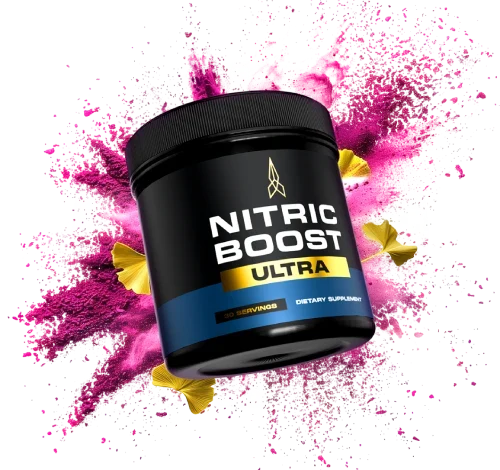
NitricBoost is formulated with these scientifically-backed ingredients to support your body's natural nitric oxide production, which in turn aids in improving blood circulation and overall cardiovascular health. It's designed to be a convenient way to ensure you're getting optimal levels of key nutrients that contribute to vasodilation and reduced inflammation. While NitricBoost is a powerful tool, remember it works best as part of a comprehensive health strategy that includes an anti-inflammatory diet and regular exercise. For more information on natural remedies for circulation, consider exploring natural circulation relief remedies.
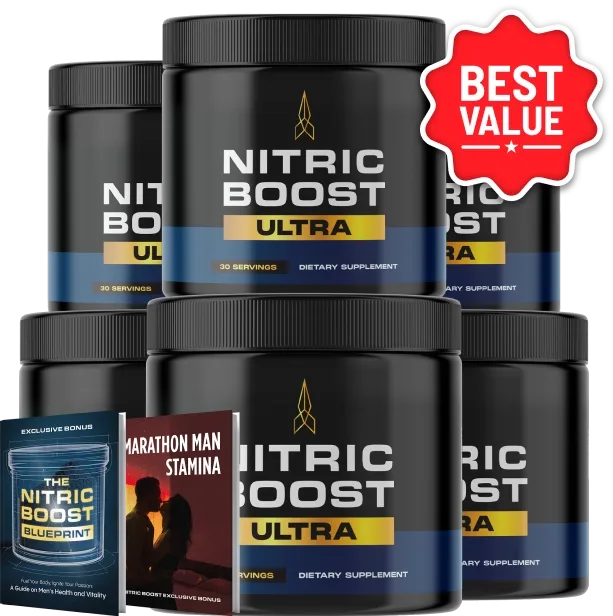
Ready to Experience Enhanced Circulation and Vitality?
Don't let poor circulation and low nitric oxide hold you back any longer. NitricBoost offers a scientifically formulated blend of natural ingredients designed to support your body's vital nitric oxide production, promoting healthy blood flow, energy, and overall cardiovascular wellness.
- ✓ Boosts Nitric Oxide Production Naturally
- ✓ Supports Healthy Blood Flow and Circulation
- ✓ Enhances Energy and Vitality
- ✓ Made with All-Natural, Clinically Studied Ingredients
- ✓ Backed by a 60-Day Money-Back Guarantee



Real People, Real Results with NitricBoost
"I used to have cold feet all the time, and my energy was always low. After a few weeks on NitricBoost, combined with dietary changes, I feel a noticeable difference. My circulation has improved, and I have more stamina throughout the day. Highly recommend!"
"As someone focused on heart health, I appreciate natural solutions. NitricBoost fits perfectly into my anti-inflammatory diet. I've seen my blood pressure numbers improve slightly, and I just feel more vibrant. It's truly a game-changer for my daily well-being."
"My doctor suggested focusing on an anti-inflammatory diet for my circulation issues. Adding NitricBoost to my routine gave me the extra boost I needed. I'm less fatigued, and my hands and feet feel warmer. It's a fantastic supplement."
Frequently Asked Questions
What is the link between inflammation and poor circulation?
+Chronic inflammation can damage blood vessel walls, leading to hardening and narrowing of arteries (atherosclerosis). This makes it harder for blood to flow freely, restricting oxygen and nutrient delivery to tissues and organs, ultimately causing poor circulation.
How does an anti-inflammatory diet improve nitric oxide levels?
+Many anti-inflammatory foods, particularly leafy greens and beets, are rich in nitrates. These nitrates are converted in the body into nitric oxide, a crucial molecule that helps relax and widen blood vessels, promoting healthy blood flow and circulation.
What are the best foods to include in an anti-inflammatory diet for heart health?
+Focus on foods rich in omega-3 fatty acids (fatty fish, flaxseed), antioxidants (berries, dark leafy greens), and nitrates (beets, spinach). Turmeric, ginger, garlic, and extra virgin olive oil are also powerful anti-inflammatory agents beneficial for cardiovascular health.
Are there specific foods I should avoid to reduce inflammation and improve circulation?
+Yes, it's crucial to limit or avoid processed foods, refined sugars, trans fats, excessive red and processed meats, and refined carbohydrates. These items can trigger and exacerbate chronic inflammation, negatively impacting your circulatory system.
Can supplements like NitricBoost help alongside an anti-inflammatory diet?
+While a healthy diet is foundational, supplements like NitricBoost, formulated with ingredients like L-Arginine, L-Citrulline, and Beetroot extract, can provide additional support for nitric oxide production. They are designed to complement a nutrient-rich diet and healthy lifestyle, not replace them.
How long does it take to see benefits from an anti-inflammatory diet for circulation?
+The timeline for seeing benefits can vary based on individual health status and consistency. However, many people report feeling improvements in energy and overall well-being within a few weeks to a few months. Significant cardiovascular benefits, such as reduced inflammation markers and improved blood pressure, may take longer to manifest, requiring sustained dietary adherence.
Related Articles